India’s security landscape is unlike most countries in the world. With more than 15,000 kilometers of land borders shared with geopolitically sensitive neighbors and a coastline stretching over 7,500 kilometers, the scale of surveillance required is immense. Add to this the increasing complexity of internal security threats, and it becomes clear that traditional monitoring systems alone are no longer enough.
For decades, India relied heavily on imported defence technologies, including surveillance drones. While these systems offered short-term solutions, they also introduced long-term vulnerabilities. Today, however, the narrative is shifting. With initiatives like Aatmanirbhar Bharat, India is steadily moving toward self-reliance in defence manufacturing, and indigenous drone technology is at the heart of this transformation.
This article explores why locally built surveillance drones are critical for India’s security, the limitations of foreign systems, and how platforms like the Elevate Z1 represent a new era of defence capability.
The Hidden Risks of Relying on Imported Defence Drones
At first glance, buying drones from global manufacturers might seem like a practical choice. After all, these systems often come with advanced features and established reputations. However, the real challenges go far beyond the initial purchase price.
One of the most significant issues is restricted operational freedom. Imported drones frequently come with end-use limitations, meaning they cannot always be deployed in sensitive regions or during specific missions without external approvals. In high-stakes scenarios, this dependency can delay critical decisions.
Another major concern is supply chain vulnerability. If diplomatic relations between India and the supplier country deteriorate, access to spare parts, software updates, and technical support can be disrupted overnight. This creates operational uncertainty for security agencies relying on these systems.
There’s also the question of data sovereignty. Surveillance drones collect highly sensitive information—visual intelligence, location data, and mission details. When these systems are built abroad, there is always a risk that data may be processed or stored on external servers, raising concerns about national security.
Additionally, imported systems often become more expensive over time due to currency fluctuations, import duties, and logistics costs. What starts as a manageable investment can quickly turn into a financial burden.
In contrast, indigenous drones eliminate these challenges. They offer full operational control, local maintenance support, secure data handling within national borders, and significantly lower long-term costs.
Why Ground-Based Surveillance Alone Isn’t Enough
India has invested heavily in ground-level security infrastructure—fencing, patrol units, surveillance towers, and static cameras. While these systems are essential, they share a common limitation: they are fixed in place.
Modern security challenges demand mobility, adaptability, and real-time visibility across vast and often inaccessible regions. This is where aerial surveillance becomes indispensable.
1. Border Surveillance in Extreme Terrain
India’s northern and western borders pass through some of the harshest environments on Earth. From the icy heights of Ladakh to the deserts of Rajasthan, monitoring these areas is both physically demanding and strategically critical.
Drones equipped with high-resolution cameras and long endurance capabilities can cover large areas without putting personnel at risk. They provide continuous monitoring, helping detect infiltration attempts or suspicious movement well before threats escalate.
2. Strengthening Coastal Security
India’s coastline presents a unique challenge due to its sheer length and diverse geography. The 2008 Mumbai attacks exposed gaps in maritime surveillance, highlighting the need for faster and more responsive monitoring systems.
Surveillance drones can patrol vast stretches of water efficiently, identify unusual vessel activity, and relay real-time intelligence to naval and coast guard units. Their speed and coverage make them far more effective than traditional patrol methods alone.
3. Enhancing Urban Security Operations
In densely populated cities, visibility is often limited. During high-risk situations such as counter-terror operations, protests, or large public events, having a real-time aerial view can dramatically improve decision-making.
Drones provide commanders with a comprehensive perspective of the ground situation, enabling better coordination and faster responses.
4. Disaster Response and Emergency Situations
Natural disasters like floods, earthquakes, and landslides often disrupt infrastructure, making it difficult for rescue teams to reach affected areas.
Drones can be deployed within minutes to assess damage, locate survivors, and guide rescue efforts. This rapid response capability can mean the difference between life and death in critical situations.
What Sets the Elevate Z1 Apart
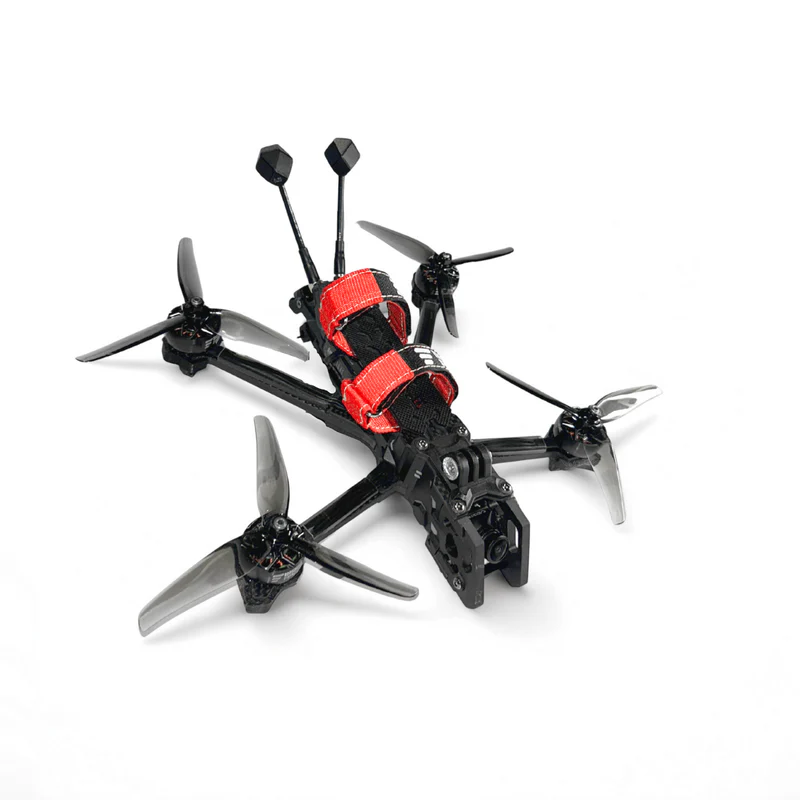
The Elevate Z1 is not just another drone adapted for surveillance, it is purpose-built for defence and security applications. Every feature is designed to address real-world operational challenges faced by Indian agencies.
Advanced Zoom Capabilities for Detailed Observation
Unlike standard drones that rely heavily on digital zoom, the Elevate Z1 incorporates a powerful optical zoom system. This allows operators to capture clear, detailed visuals from a safe distance, whether identifying vehicles or monitoring individuals.
This capability ensures that surveillance missions can be conducted discreetly without compromising on image quality.
High-Resolution Imaging for Reliable Intelligence
The drone’s ability to record in high-definition ensures that captured footage is not just visually clear but also usable for analysis, evidence, and strategic planning.
In security operations, clarity matters. Every detail captured can play a role in decision-making or legal proceedings. Defence drones in India have become a critical part of modern military strategy, enhancing surveillance, reconnaissance, and combat capabilities.
Night Vision for Around-the-Clock Operations
Many security threats occur under the cover of darkness. Traditional systems often struggle in low-light conditions, creating blind spots.
The Elevate Z1 addresses this with advanced night vision technology that enhances visibility even in minimal light. Combined with HDR processing, it ensures balanced and usable footage regardless of lighting conditions.
Enhanced Camera Mobility for Continuous Tracking
Tracking moving targets is one of the toughest challenges in aerial surveillance. The Elevate Z1’s wide-angle camera rotation allows operators to follow subjects smoothly without constantly repositioning the drone.
This reduces the chances of losing track of targets and makes operations more efficient.
Onboard Processing for Real-Time Intelligence
One of the standout features of the Elevate Z1 is its onboard computing capability. Instead of relying entirely on ground stations, the drone can process data independently using a high-performance processor.
This means that even if communication signals are disrupted—due to terrain, interference, or jamming—the drone continues to function effectively. It can analyze data, detect patterns, and provide actionable insights in real time.
Extended Flight Time for Long Missions
Endurance is critical in surveillance operations. Frequent battery changes can interrupt missions and reduce effectiveness.
The Elevate Z1 is designed for extended operations, allowing it to stay airborne longer and cover larger areas without interruption. This makes it suitable for border patrols, coastal monitoring, and other long-duration missions.
The Role of Aatmanirbhar Bharat in Defence Innovation
India’s push for self-reliance in defence is not just a policy shift—it is a strategic necessity.
Government initiatives such as the Defence Acquisition Procedure (DAP 2020) and the Positive Indigenisation Lists have prioritized locally manufactured equipment. These policies encourage the adoption of indigenous technologies and reduce dependence on foreign suppliers.
Organizations like DRDO are actively supporting innovation, while private companies are contributing to the development of advanced defence systems.
For manufacturers like insideFPV, this ecosystem enables continuous improvement based on real-world feedback from Indian security forces. Whether it’s adapting to high-altitude conditions in Ladakh or coastal environments in the Andaman Islands, indigenous solutions are built with local challenges in mind.
Why Indigenous Drone Technology Is No Longer Optional
In today’s rapidly evolving security environment, relying on external technology is a risk India can no longer afford.
Indigenous drones offer:
● Complete operational independence
● Secure handling of sensitive data
● Faster maintenance and upgrades
● Lower lifecycle costs
● Customization based on Indian requirements
More importantly, they empower the nation to respond quickly and decisively to emerging threats.
Final Thoughts
India’s security challenges are complex, dynamic, and constantly evolving. Meeting these challenges requires more than just advanced technology as it requires control, adaptability, and self-reliance.
Indigenous surveillance drones like the Elevate Z1 represent a critical step in that direction. They are not just tools but strategic assets that enhance national security while reducing dependency on external systems.
As India continues to strengthen its defence capabilities, the shift toward homegrown technology will play a defining role in shaping a safer and more secure future.
Read about Top 10 Most Advanced Military Drones in the World Right Now

 Arabic
 French
 Spanish
 Portuguese
 Deutsch
 Turkish
 Dutch
Dutch
 Italiano
 Russian
 Romaian
 Portuguese (Brazil)
 Greek
Greek