


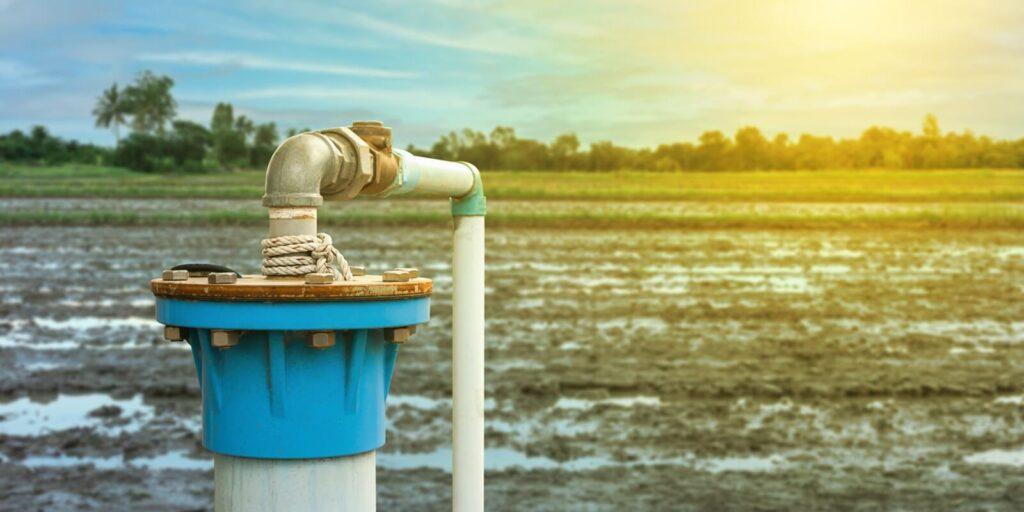
For properties that depend on private wells, the pump installed beneath the surface plays a quiet yet essential role in daily life. Unlike above-ground systems, submersible units operate entirely within the well casing, drawing water upward through pressure rather than suction. This design offers significant advantages, including improved efficiency, reduced noise, and longer service life. However, the same submerged location that provides these benefits also makes maintenance more challenging.
Many property owners assume that submersible pumps require no attention because they are out of sight. This assumption often leads to neglect, and neglect frequently results in costly failures. While these pumps are engineered for durability, they still benefit greatly from periodic inspection, performance monitoring, and timely component replacement. Owners who take a proactive approach generally enjoy years of dependable service without unexpected interruptions.
This article outlines the practices that support optimal performance of a Submersible Well Water Pump and explains how attentive care can extend service life, prevent failures, and protect water quality. With consistent attention, a Submersible Well Water Pump can provide reliable performance for fifteen to twenty-five years, depending on usage patterns and water conditions.
Understanding How Submersible Pumps Operate
Before exploring maintenance strategies, it is helpful to understand the basic operation of these pumps. The unit consists of a sealed motor connected to a multi-stage pump, all contained within a waterproof housing. The pump is suspended within the well, typically several feet above the bottom, and connected to the surface through electrical wiring and a drop pipe. When activated, the pump pushes water upward through the pipe and into the home's pressure tank.
This design eliminates the need for priming, reduces the risk of cavitation, and allows the pump to handle deep wells with relative ease. The submerged operation also keeps the motor cool, contributing to longer service life when the system is properly maintained.
Annual Professional Inspections
The single most important practice for preserving pump performance is scheduling regular professional inspections. Trained technicians can evaluate components that are inaccessible to homeowners, including the pump itself, the wiring, and the drop pipe. During these visits, technicians typically perform the following tasks:
- Measure water flow rate and compare it to baseline readings
- Test electrical performance and check insulation resistance
- Inspect the pressure tank for proper air charge and bladder integrity
- Evaluate the pressure switch for accurate operation
- Examine wellhead components for corrosion or damage
- Test water quality for sediment, bacteria, and chemical balance
- Verify proper depth and positioning of the pump within the well
- Document findings and recommend any necessary repairs
Annual inspections allow small issues to be addressed before they develop into major problems, preserving both the pump and the water it delivers.
Monitoring Performance Indicators Between Visits
Property owners can play an active role in maintaining their systems by paying attention to performance indicators throughout the year. Subtle changes often signal that the pump is beginning to experience stress, and early intervention can prevent failures.
Indicators worth monitoring include water pressure consistency, the frequency with which the pump cycles on and off, electricity usage patterns, and any changes in the appearance, smell, or taste of the water. Documentation of these observations helps technicians diagnose issues more efficiently when service is needed.
Protecting the Pressure Tank
The pressure tank is closely linked to pump performance. When the tank fails, the pump cycles excessively, leading to premature wear. Owners should verify air pressure annually and listen for symptoms such as rapid cycling, water hammer, or fluctuating output. Tanks that are more than a decade old should be inspected with particular attention, as bladder failures become increasingly common with age.
Replacing a failing pressure tank is far less expensive than replacing a pump that has been damaged by excessive cycling, making this maintenance task a worthwhile priority.
Maintaining Water Quality
Water quality directly affects pump longevity. Sediment, mineral content, and microbial activity all influence the rate at which components wear. Properties with hard water often experience faster scale buildup within the pump, while those with sandy aquifers face increased wear on impellers.
Filtration systems and water softeners can mitigate these effects significantly. Regular testing of water quality also provides early warning of conditions that may affect the pump, allowing preventive measures to be implemented before damage occurs.
Electrical System Care
The electrical components that power a submersible unit deserve particular attention. Voltage fluctuations, lightning strikes, and aging wiring can all damage motors and control systems. Surge protectors designed for well pump applications offer valuable protection, as do regular inspections of electrical connections at the wellhead and pressure switch.
Property owners should also ensure that the dedicated breaker for the pump is functioning correctly. A breaker that trips frequently may indicate an underlying issue requiring professional evaluation.
Avoiding Common Mistakes
Several common practices can shorten pump life unnecessarily. Running the pump dry, even briefly, can damage the motor severely. This typically occurs when water levels drop below the pump intake or when leaks develop within the system. Modern controllers can detect dry-run conditions and shut the pump down automatically, providing valuable protection.
Using the wrong pump for the application is another frequent issue. Undersized pumps work too hard to meet demand, while oversized units cycle too frequently. Proper sizing, performed during installation, prevents these problems from occurring.
Finally, attempting repairs without proper training can result in additional damage. Submersible pumps require specialized tools and expertise, and amateur repairs often lead to greater expense in the long run.
Planning for Eventual Replacement
Even the best maintained pump will eventually reach the end of its service life. Recognizing the signs of approaching replacement allows property owners to plan ahead rather than face emergency situations. Indicators include declining performance despite regular service, increasing repair frequency, rising energy consumption, and visible signs of corrosion on accessible components.
When replacement becomes necessary, working with experienced professionals ensures that the new system is properly sized, correctly installed, and configured for optimal performance.
Conclusion
Maintaining a submersible unit requires more than passive trust in its hidden location. Through annual inspections, performance monitoring, water quality management, and electrical system care, property owners can extend service life significantly and avoid the disruption of unexpected failures. Each maintenance practice contributes to the overall reliability of the system and protects the household water supply. Tri-County Pump Service, Inc. specializes in the inspection, repair, and replacement of submersible pumps and offers comprehensive maintenance programs tailored to each property's needs. With experienced technicians and a deep commitment to quality, Tri-County Pump Service, Inc. helps homeowners enjoy dependable water service for many years to come.

 English
 Arabic
 French
 Spanish
 Portuguese
 Deutsch
 Turkish
 Dutch
Dutch
 Italiano
 Russian
 Romaian
 Portuguese (Brazil)