


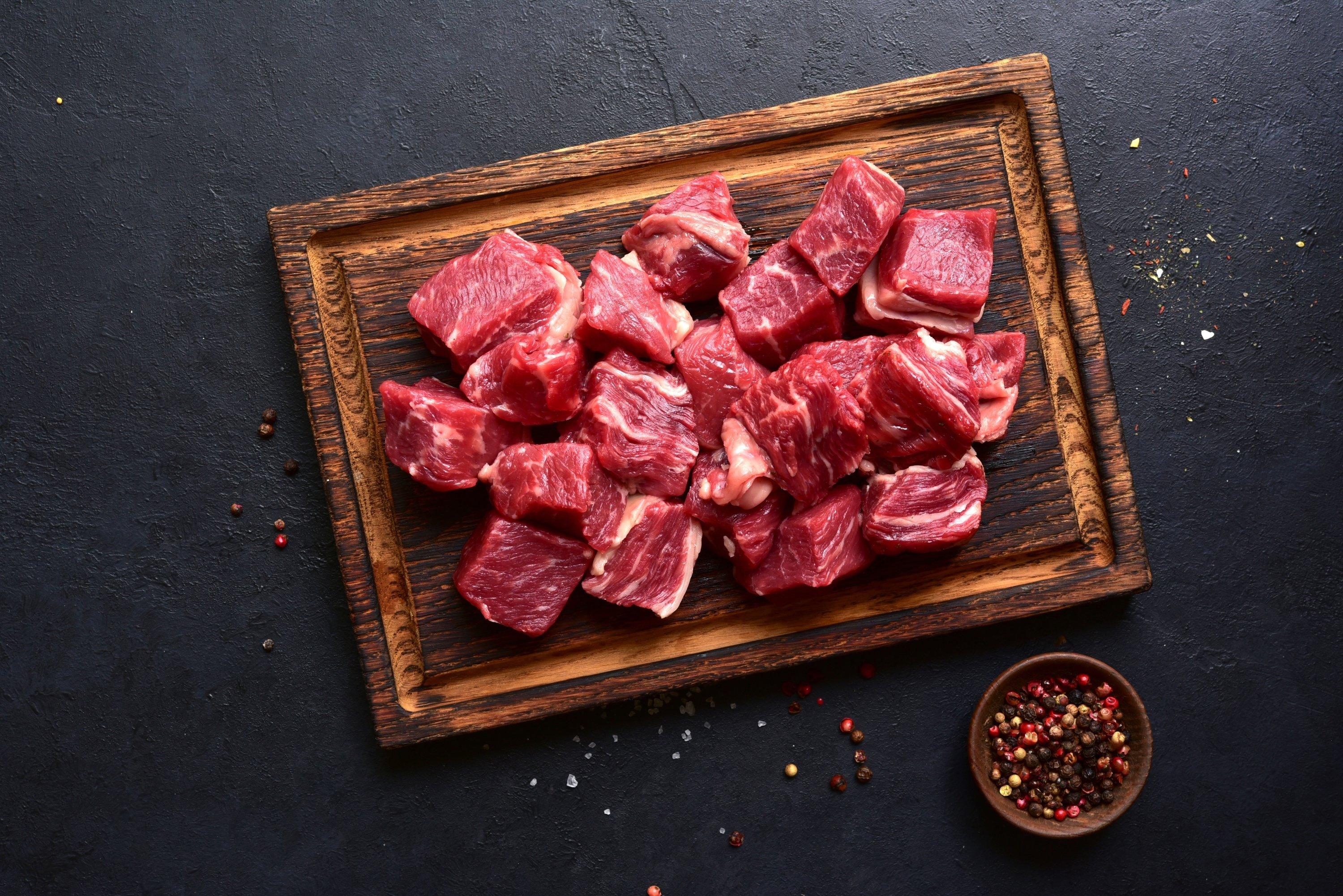
Eid ul Adha brings families together with abundant meat dishes and celebratory meals. While the food is a central part of the festival, improper handling and preparation can lead to foodborne illnesses. Knowing essential food safety tips helps you enjoy Eid meals confidently, protecting your digestive health and overall well-being.
Understanding the Risks of Foodborne Illnesses During Eid ul Adha and How Proper Safety Practices Can Prevent Them
During Eid, the large-scale preparation and handling of meat, dairy, and side dishes increase the risk of bacteria like Salmonella and E. coli. Awareness of foodborne pathogens and practicing hygienic cooking methods can prevent stomach infections. Following safety precautions ensures that the celebration remains joyous, without hospital visits or digestive distress overshadowing the festivities.
Inspecting and Selecting Fresh Meat: How to Choose Quality Cuts to Minimize Food Safety Risks During Eid
Selecting fresh meat is the first step in avoiding stomach infections. Always buy from reputable sources, check for a bright color, firm texture, and mild smell, and avoid meat with unusual odors or sliminess. Proper selection prevents the introduction of harmful bacteria into your kitchen and ensures that all your Eid meals are safe and nutritious.
Safe Storage of Meat: Tips for Refrigeration and Freezing to Prevent Bacterial Growth During Festive Preparations
Proper storage is essential to prevent bacterial contamination. Keep meat at temperatures below 40°F (4°C) in the refrigerator and use airtight containers or freezer bags for freezing. Separate raw meat from ready-to-eat foods to prevent cross-contamination. Following these storage practices preserves freshness and significantly reduces the risk of foodborne illness during Eid ul Adha.
Hygiene in the Kitchen: How Washing Hands, Utensils, and Surfaces Protects Your Family from Stomach Infections
Maintaining a clean kitchen is crucial. Wash hands thoroughly with soap before and after handling raw meat. Sanitize cutting boards, knives, and surfaces with hot water or disinfectant solutions. Using separate utensils for raw and cooked foods prevents bacterial transfer, ensuring that your festive meals remain safe and free from harmful microbes that can cause digestive issues.
Cooking Meat Thoroughly: Ensuring Safe Internal Temperatures to Kill Harmful Bacteria During Eid Dishes
Cooking meat to the proper internal temperature is a key safety measure. Poultry should reach 165°F (74°C), beef and lamb 145°F (63°C) with a rest period, and ground meat 160°F (71°C). Using a food thermometer guarantees accuracy, eliminating pathogens effectively. Properly cooked meat is not only safe but also juicy, flavorful, and enjoyable for all family members.
Avoiding Cross-Contamination: Best Practices When Handling Raw Meat, Marinades, and Other Ingredients
Cross-contamination can occur when raw meat contacts vegetables, fruits, or cooked food. Use separate cutting boards, store raw meat below other foods in the fridge, and avoid reusing marinades unless boiled first. These precautions minimize bacterial spread, safeguarding your stomach health while preparing elaborate Eid dishes that everyone can enjoy without worry.
Mindful Leftover Management: How to Cool, Store, and Reheat Festive Foods Safely to Prevent Stomach Issues
Leftovers are common during Eid, but improper handling can lead to food poisoning. Cool cooked food quickly within two hours, store in shallow containers, and refrigerate promptly. Reheat thoroughly to steaming hot before serving. Following these steps prevents bacterial growth and ensures that your post-festivity meals remain safe and digestible.
Hydration and Accompaniments: Supporting Digestive Health While Enjoying Heavy Eid ul Adha Meals
Consuming rich meat dishes alongside adequate hydration helps digestion. Include water, herbal teas, and water-rich fruits to maintain gut function. Incorporate fiber-rich sides like salads and steamed vegetables to promote bowel movement and reduce bloating. Balanced accompaniments help prevent discomfort and complement the festive meat, creating a healthier Eid meal experience.
Book Online Appointment with the Best Gastroenterologist via InstaCare for Personalized Digestive Health Guidance During Eid
If you have digestive concerns or want expert advice on enjoying Eid meals safely, scheduling a consultation with a gastroenterologist is highly recommended. Platforms like InstaCare allow easy online appointments with certified specialists who can provide personalized guidance, helping you celebrate the festival while minimizing the risk of stomach infections and digestive discomfort.
Five Frequently Asked Questions About Food Safety During Eid ul Adha
1. How can I tell if meat is safe to eat during Eid?
Check for firm texture, bright color, and mild smell. Avoid slimy, discolored, or strong-smelling meat.
2. Can I prepare meat in advance safely for Eid feasts?
Yes, store raw meat in the fridge or freezer, separate from other foods, and cook it thoroughly before serving.
3. Is it safe to reuse marinades after meat has been soaked in them?
Only if you boil the marinade first to kill bacteria. Avoid using it raw to prevent contamination.
4. How long can cooked meat safely stay out during Eid celebrations?
Cooked meat should not be left at room temperature for more than two hours to prevent bacterial growth.
5. Why is a gastroenterologist consultation recommended for festive eating?
Specialists provide tailored advice for individuals with sensitive digestion, chronic conditions, or specific dietary needs, ensuring safe enjoyment of Eid meals.

 English
 French
 Spanish
 Portuguese
 Deutsch
 Turkish
 Dutch
Dutch
 Italiano
 Russian
 Romaian
 Portuguese (Brazil)
 Greek
Greek