


Chronic pain is one of the most prevalent and debilitating health challenges worldwide. An estimated one in five adults lives with some form of persistent chronic pain. Traditional pain management approaches carry significant and well-documented limitations. Opioid medications carry serious risks including dependence and dangerous overdose outcomes. Non-steroidal anti-inflammatory drugs can cause gastrointestinal and cardiovascular complications with prolonged use. Physical therapy is effective but requires regular clinical attendance that many patients cannot maintain. Many patients struggle to access consistent and affordable professional pain management services. Advanced vibration therapy equipment has emerged as a meaningful non-pharmacological alternative. This article explores how modern vibration equipment addresses chronic pain and improves quality of life.
Understanding Chronic Pain and Its Underlying Mechanisms
Chronic pain differs fundamentally from acute pain in its origins and maintenance. Acute pain serves as a protective signal indicating tissue damage or injury. Chronic pain persists long after the original injury or cause has resolved. In chronic pain, the nervous system becomes sensitized to pain signals over time. Central sensitization means the brain amplifies pain signals that would otherwise be minor. Peripheral sensitization occurs when local nerve endings become pathologically hypersensitive. Musculoskeletal conditions like osteoarthritis, fibromyalgia, and low back pain are common causes. Inflammatory conditions also contribute to the persistence of chronic pain states. Neuropathic pain, caused by nerve damage, is another clinically challenging category. Each chronic pain type may respond differently to specific vibration therapy protocols.
Gate Control Theory and Vibration-Based Pain Modulation
Gate control theory provides a key scientific basis for vibration's pain-relieving effects. Proposed by Melzack and Wall in 1965, it describes spinal cord pain modulation mechanisms. The theory identifies large-diameter sensory nerve fibers and small-diameter pain fibers. Large A-beta fibers transmit touch and vibration sensations from the body's periphery. Small C-fibers and A-delta fibers carry pain signals toward the brain. When A-beta fibers are activated, they can inhibit competing pain signal transmission. This inhibition effectively closes the spinal "gate" on ongoing pain signaling. Vibration activates A-beta fibers strongly and consistently during therapeutic application. This provides the neurological mechanism explaining vibration's immediate pain-relieving effect. It also explains why vibration therapy is broadly effective for diverse musculoskeletal pain conditions.
Advanced Features of Modern Vibration Pain Relief Equipment
Advanced vibration equipment has evolved significantly beyond early and simple platform designs. Modern devices offer multiple frequency and amplitude settings for precise pain protocol customization. Programmable therapy modes can target different pain types and specific body regions. Digital displays make it straightforward to monitor and adjust treatment settings accurately. Timer functions ensure consistent, safe session durations during every therapeutic use. Ergonomic designs accommodate comfortable positioning during extended pain management sessions. Some advanced devices incorporate heat functions that complement vibrational pain relief effectively. Heated vibration therapy is particularly beneficial for muscle spasm and chronic stiffness. Wireless and cordless configurations provide freedom of movement during therapy. Precision engineering ensures stable, consistent vibration delivery at all selected intensity settings.
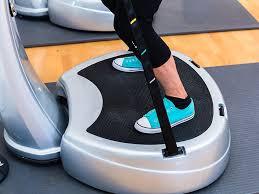
A vibration therapy device with advanced programmable settings can be targeted to specific pain conditions. Selecting the appropriate frequency for musculoskeletal versus neuropathic pain is clinically important. Professional guidance on parameter selection ensures the device is used for maximum benefit. Users who customize protocols to match their specific pain condition consistently report better outcomes. Advanced equipment that allows this level of personalization delivers superior therapeutic value over time.
How Vibration Equipment Addresses Common Chronic Pain Conditions
Different chronic pain conditions respond to vibration therapy in clinically distinct ways. Chronic low back pain is one of the most widely studied indications for vibration treatment. Whole-body vibration consistently reduces both pain intensity and functional disability in trials. Study participants report improved ability to perform daily activities with reduced discomfort. Fibromyalgia is characterized by widespread musculoskeletal pain, fatigue, and cognitive symptoms. Clinical studies show significant pain score reductions in fibromyalgia patients using WBV therapy. Knee osteoarthritis is another condition with encouraging and growing vibration therapy evidence. Both pain and functional impairment improve measurably in patients with knee OA using platforms. Neck and shoulder pain associated with occupational postures also responds positively to vibration. The versatility of vibration therapy across pain conditions broadens its clinical relevance considerably.
Comparing Vibration Equipment With Other Pain Relief Technologies
Several non-pharmacological pain technologies are currently used in clinical settings. Transcutaneous electrical nerve stimulation (TENS) also targets the gate control mechanism effectively. Ultrasound therapy uses sound waves to reduce tissue inflammation and localized pain. Low-level laser therapy uses specific light wavelengths to reduce pain and cellular inflammation. Each technology has distinct strengths and limitations for different pain presentations. Vibration therapy stands out for its whole-body application and valuable bone health co-benefits. It requires no consumable accessories beyond the device itself for daily use. The non-invasive, self-administered nature of vibration therapy supports safe home use. TENS and laser therapy often require clinical supervision or specific technical training. Vibration equipment's ease of use gives it meaningful practical advantages for most patients managing chronic pain.
Safety Considerations for Advanced Vibration Equipment Users
Advanced vibration equipment is safe when used strictly within recommended clinical guidelines. However, certain medical conditions require specific precautions or medical clearance before use. Patients with recent fractures should wait until fully healed before beginning any vibration therapy. Those with implanted cardiac or neurological devices should consult their specialist physician first. Pregnant women are generally advised to avoid whole-body vibration therapy during pregnancy. Patients with active deep vein thrombosis should not use vibration equipment without medical clearance. Individuals with severe joint instability benefit from physiotherapy assessment before beginning vibration sessions. Starting at the lowest intensity setting prevents adverse reactions in newly initiated users. If pain worsens during or after a session, users should discontinue and seek professional advice. Healthcare provider guidance ensures the safest and most effective approach to vibration-based pain management.
Intensity and Duration Guidelines for Effective Pain Management
Optimal vibration parameters for pain management differ from those used for bone health. Pain relief protocols typically use slightly different frequency ranges for better outcomes. Sessions of ten to twenty minutes are commonly recommended for chronic pain indications. Starting with shorter sessions helps identify individual tolerance levels before extending duration. Daily use generally produces superior pain management outcomes compared to intermittent sessions. Some fibromyalgia patients benefit from shorter, more frequent daily sessions throughout the week. Others with chronic low back pain respond better to longer sessions three to four times weekly. Personalized protocols guided by healthcare professionals produce the best individual outcomes consistently. Monitoring pain scores before and after each session accurately tracks therapeutic progress over time.
Combining Vibration Equipment With Complementary Pain Therapies
Vibration therapy achieves the strongest pain management outcomes within a multi-modal treatment framework. Manual therapy techniques like massage and joint mobilization complement vibration therapy well. Heat applied before vibration sessions relaxes tissue and enhances therapeutic penetration. Mindfulness and relaxation techniques directly reduce central sensitization and pain perception. Cognitive behavioral therapy effectively addresses the psychological dimension of chronic pain. Anti-inflammatory dietary changes reduce the biological substrate that sustains chronic pain states. Gentle aerobic exercise improves systemic pain tolerance and reduces central sensitization over time. Sleep optimization is essential because poor sleep dramatically amplifies pain sensitivity in most patients. A comprehensive multi-modal approach, with vibration equipment as a core component, produces the strongest results. This integrated strategy addresses the full, complex, and multi-dimensional nature of chronic pain effectively.
The Role of Vibration Equipment in Palliative and Elder Care
Advanced vibration equipment also serves an important role in palliative and geriatric care settings. Older adults with chronic pain benefit greatly from safe, non-pharmaceutical interventions. Polypharmacy risks make non-drug pain management approaches especially valuable in geriatric populations. Vibration therapy can be administered by care staff with minimal equipment training requirements. It reduces the need for frequent pain medication adjustments in complex chronic pain management. Palliative care settings use vibration for comfort improvement and quality of life enhancement. Residents in care facilities report improved mood and reduced pain with regular vibration sessions. Pain relief that maintains full cognitive clarity is particularly valued in older adult populations. Advanced equipment designed for care facility settings includes appropriate safety features for vulnerable users. Growing adoption in elder care reflects broad recognition of vibration therapy's practical and clinical value.
Conclusion
Advanced vibration therapy equipment represents a significant advancement in non-pharmacological pain management. Its mechanisms — gate control stimulation, endorphin release, and improved circulation — are all well-established. Modern equipment features make personalization and safe home use more accessible than ever before. Chronic pain conditions from fibromyalgia to osteoarthritis and low back pain all benefit from properly applied vibration therapy. Protocol adherence, combined with complementary therapies, consistently produces the strongest pain management outcomes. Safety guidelines must always be followed, particularly for patients with complex or multiple medical conditions. Advanced vibration equipment, when used correctly, offers meaningful and sustained relief for many chronic pain patients. For those seeking safer and more natural pain management solutions, this technology offers genuine and evidence-backed hope.

 English
 Arabic
 French
 Spanish
 Portuguese
 Deutsch
 Turkish
 Dutch
Dutch
 Italiano
 Russian
 Romaian
 Portuguese (Brazil)