


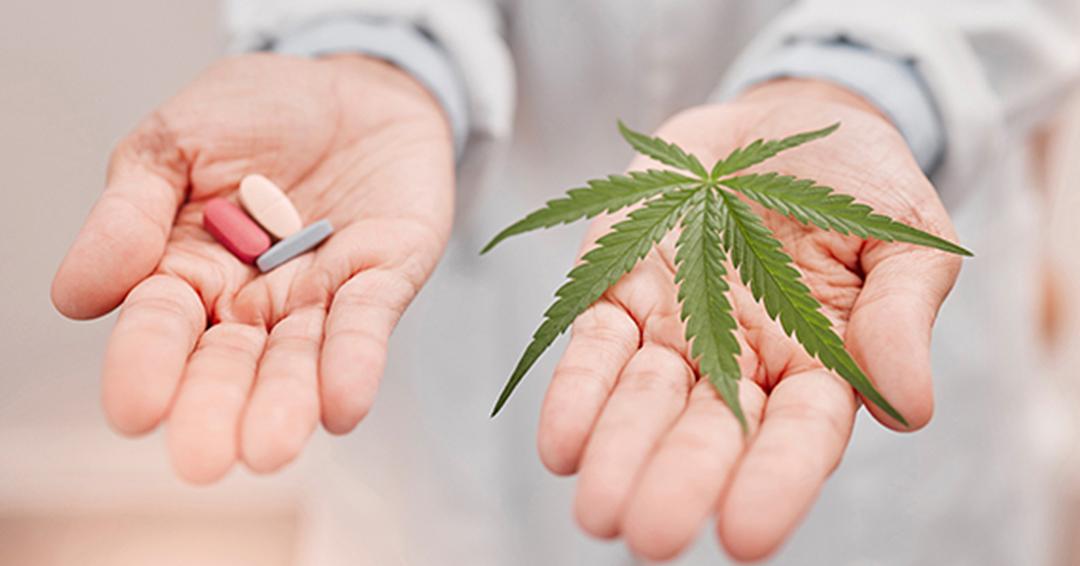
Yes, medicinal marijuana may help some people manage chronic pain and symptoms of post-traumatic stress disorder (PTSD). Research suggests that certain cannabis-based products can reduce pain intensity, improve sleep, and ease anxiety-related symptoms in some patients, although results vary and it is not considered a cure for either condition. Treatment decisions should always be made with guidance from a qualified healthcare professional.
Imagine living with persistent pain that affects every step you take or experiencing PTSD symptoms that make restful sleep feel impossible. Many people facing these challenges spend years trying different therapies, medications, and wellness strategies before finding meaningful relief. As interest in alternative treatment options grows, medicinal marijuana has become a topic of significant discussion among patients, healthcare providers, and researchers. Understanding its potential benefits, risks, and role within a comprehensive treatment plan is essential for making informed healthcare decisions.
Understanding Medicinal Marijuana
Medicinal marijuana refers to cannabis products used for therapeutic purposes under medical supervision. The plant contains active compounds called cannabinoids, with tetrahydrocannabinol (THC) and cannabidiol (CBD) being the most well-known.
These compounds interact with the body's endocannabinoid system, which plays a role in regulating pain, mood, sleep, memory, and stress responses. Because of these interactions, medicinal marijuana has attracted attention as a potential treatment option for chronic pain and PTSD.
How Medicinal Marijuana May Help Chronic Pain
Chronic pain affects millions of people worldwide and can result from conditions such as arthritis, nerve damage, fibromyalgia, and back injuries.
Pain Signal Modulation
Cannabinoids may influence how pain signals are processed within the nervous system. Some patients report reduced pain severity after using medicinal marijuana, particularly for neuropathic pain, which can be difficult to manage with traditional medications.
Improved Sleep Quality
Many individuals with chronic pain struggle with sleep disturbances. Medicinal marijuana may help some patients fall asleep more easily and experience better sleep quality, which can indirectly improve pain management and daily functioning.
Reduced Dependence on Certain Medications
Some patients explore medicinal marijuana as part of a broader treatment strategy designed to reduce reliance on opioids or other pain medications. However, this should always occur under professional supervision and as part of a structured treatment plan.
For patients receiving ongoing care through medication management boston services, healthcare providers may evaluate whether medicinal marijuana fits safely within an individual's overall treatment approach. Proper medication management boston practices help identify potential interactions and monitor treatment outcomes.
Medicinal Marijuana and PTSD
PTSD is a mental health condition that can develop after experiencing or witnessing a traumatic event. Symptoms may include flashbacks, nightmares, anxiety, hypervigilance, and emotional distress.
Potential Benefits for PTSD Symptoms
Some patients report improvements in:
- Sleep quality
- Nightmares
- Anxiety levels
- Stress-related symptoms
- Emotional regulation
The calming effects associated with certain cannabis products may help some individuals feel more relaxed and better able to cope with daily stressors.
The Need for More Research
Although some studies show promising results, experts continue to investigate the long-term effectiveness and safety of medicinal marijuana for PTSD. Current evidence remains mixed, and treatment responses vary significantly between individuals.
Patients considering medicinal marijuana for PTSD should work closely with mental health professionals and providers experienced in medication management boston programs. Comprehensive medication management boston services can help determine whether medicinal marijuana complements existing therapies or medications.
Potential Risks and Side Effects
While medicinal marijuana may offer benefits for some individuals, it is not without risks.
Common Side Effects
Potential side effects may include:
- Dizziness
- Dry mouth
- Drowsiness
- Impaired concentration
- Changes in appetite
- Short-term memory difficulties
These effects can vary depending on dosage, product type, and individual sensitivity.
Mental Health Considerations
For some individuals, particularly those with certain psychiatric conditions, cannabis use may increase anxiety, paranoia, or mood-related symptoms. This highlights the importance of careful evaluation and ongoing monitoring.
Professional medication management boston services often include regular assessments to ensure that treatment remains effective and safe. Through structured medication management boston support, healthcare providers can adjust treatment plans based on patient response and changing needs.
Integrating Medicinal Marijuana Into a Comprehensive Treatment Plan
Medicinal marijuana should not be viewed as a standalone solution for chronic pain or PTSD. Many healthcare professionals recommend combining multiple evidence-based approaches.
Therapy and Counseling
Psychotherapy remains one of the most effective treatments for PTSD. Cognitive behavioral therapy (CBT), trauma-focused therapy, and other evidence-based interventions help patients develop coping skills and process traumatic experiences.
Medication Management
Some patients benefit from prescription medications that address pain, anxiety, depression, or sleep difficulties. Effective medication management boston programs help ensure medications are used appropriately and safely. Patients who participate in medication management boston services often receive ongoing support, monitoring, and adjustments based on treatment progress.
Lifestyle Interventions
Lifestyle factors can significantly influence both chronic pain and PTSD symptoms. Exercise, healthy sleep habits, stress management, and social support all contribute to overall well-being.
The Role of Mindfulness Yoga in Pain and PTSD Recovery
One complementary approach that has gained attention is mindfulness yoga. This practice combines physical movement, controlled breathing, and present-moment awareness.
Benefits for Chronic Pain
Research suggests that mindfulness yoga may help reduce pain perception, improve flexibility, and support emotional well-being. By encouraging body awareness, mindfulness yoga can help individuals develop healthier responses to discomfort.
Benefits for PTSD
Many people with PTSD experience chronic stress and heightened nervous system activation. mindfulness yoga promotes relaxation and may help reduce symptoms of anxiety and emotional distress. Practicing mindfulness yoga regularly can also improve sleep quality and resilience.
Healthcare providers often recommend mindfulness yoga as part of a broader wellness strategy that supports traditional treatments and medical care.
Combining Mindfulness Yoga and Medicinal Marijuana
Some patients explore both medicinal marijuana and mindfulness yoga as complementary tools within their treatment plans.
Supporting Physical Relaxation
For certain individuals, medicinal marijuana may help reduce pain levels while mindfulness yoga enhances flexibility, mobility, and body awareness.
Encouraging Stress Reduction
The combination of mindfulness yoga techniques and carefully monitored medicinal marijuana use may support relaxation and emotional regulation for some patients. However, treatment plans should always be individualized and supervised by qualified professionals.
Building Long-Term Coping Skills
While medicinal marijuana may help manage symptoms, mindfulness yoga teaches practical skills that patients can continue using throughout their lives. Many healthcare providers view mindfulness yoga as a valuable component of sustainable pain and PTSD management.
Who May Be a Candidate for Medicinal Marijuana?
Not everyone is an ideal candidate for medicinal marijuana. Healthcare providers typically evaluate factors such as:
- Medical history
- Current medications
- Mental health conditions
- Treatment goals
- Previous treatment responses
Patients should discuss potential risks, benefits, and legal considerations before beginning treatment. A comprehensive evaluation helps determine whether medicinal marijuana is appropriate within an individual's care plan.
Conclusion
Medicinal marijuana may provide relief for some individuals living with chronic pain and PTSD by helping reduce symptoms such as pain, anxiety, sleep disturbances, and stress. However, it is not a cure and should be considered as one component of a comprehensive treatment plan that may include therapy, medication management, and wellness practices such as mindfulness yoga. Individuals interested in exploring medicinal marijuana should consult qualified healthcare professionals to determine the safest and most effective approach for their specific needs. Massachusetts Mind Center
FAQs
1. Can medicinal marijuana cure PTSD?
No. Medicinal marijuana may help manage certain PTSD symptoms, but it is not considered a cure.
2. Is medicinal marijuana effective for all types of chronic pain?
No. Some types of pain may respond better than others, and results vary by individual.
3. Can CBD help with PTSD symptoms?
Some studies suggest CBD may help with anxiety and sleep issues, but more research is needed.
4. Is mindfulness yoga beneficial for chronic pain?
Yes. Mindfulness yoga may improve flexibility, reduce stress, and help manage pain symptoms.
5. Should I use medicinal marijuana without medical supervision?
No. Always consult a qualified healthcare professional before starting medicinal marijuana treatment.

 Arabic
 French
 Spanish
 Portuguese
 Deutsch
 Turkish
 Dutch
Dutch
 Italiano
 Russian
 Romaian
 Portuguese (Brazil)
 Greek
Greek