


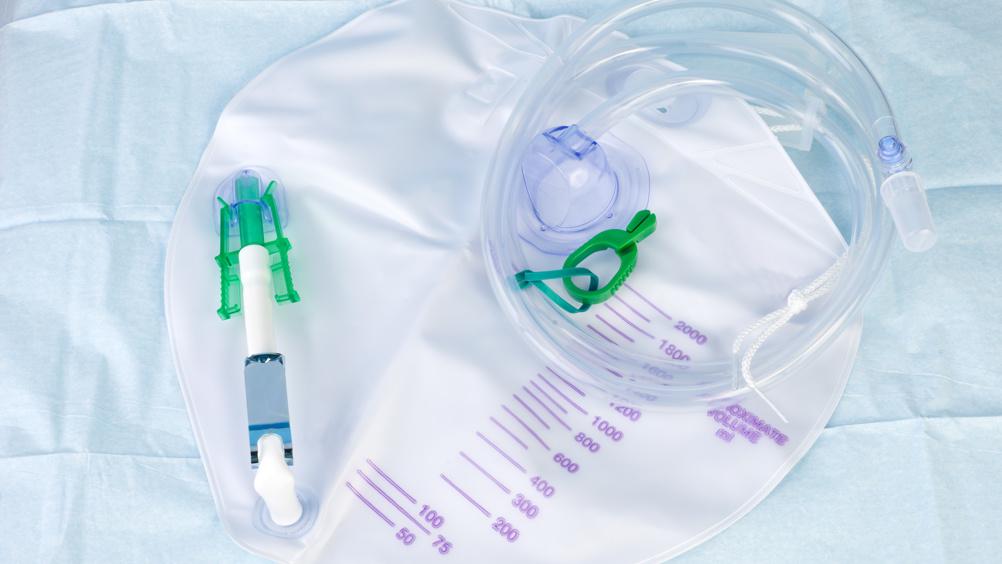
Maintaining a catheter properly at home is crucial for preventing infections and ensuring comfort. For those seeking Catheter Care at Home Dubai, guidance from a Doctor at Home can provide clear instructions and reduce the risk of complications. Proper cleaning techniques, routine monitoring, and careful handling of catheter supplies are essential components of safe catheter management. Whether you are new to catheter use or managing it long-term, following a structured step-by-step approach can help maintain hygiene and promote overall health.
Preparing for Catheter Cleaning:
Before starting the cleaning process, preparation is key to ensuring a safe and effective routine. A Doctor at Home often emphasizes the importance of gathering necessary supplies and setting up a clean workspace. Preparation steps include:
- Washing your hands thoroughly with soap and warm water.
- Collecting all cleaning supplies, such as mild soap, clean towels, and gloves if needed.
- Ensuring the drainage bag is positioned below bladder level to prevent backflow.
- Checking for any signs of infection or irritation before starting.
Being well-prepared minimizes the risk of contamination and supports proper catheter care.
Washing Hands Properly:
Hand hygiene is the most critical first step in preventing infections during catheter care. Proper handwashing ensures harmful bacteria are not transferred to the catheter or insertion site. Key points include:
- Using warm water and soap to scrub hands for at least 20 seconds.
- Cleaning under fingernails, between fingers, and the backs of hands.
- Drying hands with a clean towel or disposable paper towel.
- Avoiding contact with the catheter or insertion site until hands are fully clean.
Consistent handwashing reduces the risk of urinary tract infections and maintains overall hygiene.
Cleaning the Catheter Insertion Site:
The catheter insertion site is prone to bacterial buildup, making regular cleaning essential. Follow these steps for safe site hygiene:
- Use mild soap and warm water to gently clean around the insertion area.
- Avoid harsh antiseptics unless specifically advised by a healthcare provider.
- Rinse thoroughly to remove all soap residue.
- Pat the area dry using a clean towel or tissue to prevent moisture buildup.
Proper site cleaning helps prevent irritation, redness, and potential infections.
Cleaning the Catheter Tubing:
The catheter tubing must remain free of obstructions and contaminants to ensure smooth urine flow. Recommended cleaning techniques include:
- Wiping the tubing with a damp, clean cloth or antiseptic wipe.
- Checking for kinks, twists, or blockages along the tubing.
- Ensuring the tubing remains straight and unobstructed during cleaning.
- Avoiding submerging the tubing in water, which can introduce bacteria.
Regular tubing maintenance supports catheter function and prevents complications.
Managing the Drainage Bag:
A clean and properly maintained drainage bag is critical for effective catheter care. Guidelines for drainage bag maintenance include:
- Emptying the bag when it is two-thirds full to prevent backflow.
- Wiping the drainage bag outlet with a clean cloth or antiseptic wipe before and after emptying.
- Ensuring the bag is securely attached and below bladder level.
- Checking for leaks, cracks, or signs of wear in the bag.
Proper drainage bag care reduces the risk of infections and ensures continuous urine flow.
Using Gloves and Protective Gear:
While not always mandatory, gloves and protective gear can provide an extra layer of hygiene, especially for caregivers. Best practices include:
- Wearing disposable gloves when handling the catheter or drainage bag.
- Changing gloves immediately if they become wet or contaminated.
- Avoiding contact between gloves and non-sterile surfaces during the cleaning process.
- Washing hands thoroughly after removing gloves.
Using protective gear ensures cleaner handling and reduces infection risks for both patients and caregivers.
Monitoring for Signs of Infection:
Regular monitoring is an essential part of catheter care, allowing early detection of potential problems. Key symptoms to watch for include:
- Redness, swelling, or pain around the catheter site.
- Unusual urine color, odor, or consistency.
- Fever, chills, or general malaise.
- Leakage or blockages in the catheter or tubing.
Early detection and intervention, guided by a Doctor at Home, can prevent serious complications and promote faster recovery.
Storing and Replacing Catheter Supplies:
Proper storage and timely replacement of catheter supplies are critical for maintaining hygiene. Recommended practices include:
- Storing unused catheters and cleaning materials in a clean, dry area.
- Following manufacturer guidelines for replacing single-use catheters.
- Keeping reusable items sanitized according to medical advice.
- Checking supplies for damage or wear before use.
Correct storage and replacement practices reduce contamination risks and support long-term catheter use.
Hydration and Lifestyle Considerations:
Hydration plays an important role in catheter care, promoting smooth urine flow and reducing infection risk. Suggestions include:
- Drinking adequate water daily, as advised by a healthcare provider.
- Limiting bladder irritants such as caffeine and carbonated drinks.
- Maintaining a balanced diet to support overall health and immunity.
- Consulting a Doctor at Home for specific lifestyle recommendations.
Good hydration and healthy habits complement cleaning routines and enhance overall catheter management.
Final Thoughts:
Effective catheter cleaning at home requires a structured approach, attention to hygiene, and vigilance for signs of complications. Following the steps outlined above ensures safe and comfortable catheter management while reducing infection risks. For those seeking Catheter Care at Home Dubai, working with a Doctor at Home provides personalized guidance, making the process easier and more reliable. By adhering to proper cleaning techniques and monitoring routines, patients can maintain catheter health and improve their quality of life at home.

 English
 Arabic
 French
 Spanish
 Portuguese
 Deutsch
 Turkish
 Dutch
Dutch
 Italiano
 Russian
 Romaian
 Portuguese (Brazil)