


Introduction
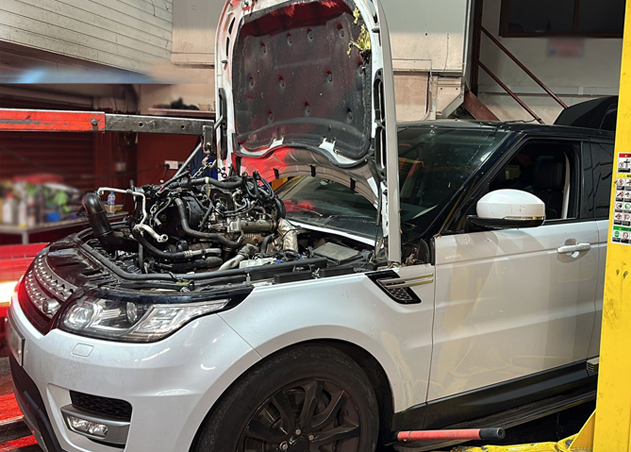
Range Rover is one of the most recognized luxury SUV brands in the world. Known for combining premium comfort with exceptional off-road capability, Range Rover vehicles have built a strong reputation among automotive enthusiasts and luxury car owners alike. At the heart of every Range Rover lies a powerful and sophisticated engine designed to deliver outstanding performance, efficiency, and reliability. Over the years, Range Rover has introduced a variety of engine options, ranging from fuel-efficient diesel units to high-performance V8 powerplants and modern hybrid systems.
This article explores the evolution, features, and benefits of Range Rover engines, highlighting what makes them stand out in the competitive luxury SUV market.
The Evolution of Range Rover Engines
Since the launch of the first Range Rover in 1970, engine technology has undergone significant changes. Early models featured relatively simple V8 engines focused on delivering strong torque and dependable performance. As automotive technology advanced, Range Rover continuously improved its engine lineup to meet increasing demands for power, fuel efficiency, and environmental responsibility.
Modern Range Rover engines are engineered with advanced technologies such as turbocharging, direct fuel injection, mild-hybrid systems, and plug-in hybrid capabilities. These innovations allow drivers to enjoy impressive performance while reducing fuel consumption and emissions.
Petrol Engines in Range Rover Vehicles
Petrol engines remain a popular choice among Range Rover buyers due to their smooth power delivery and refined driving experience. These engines are designed to provide quick acceleration and responsive handling both on highways and challenging terrains.
One of the most notable petrol options is the turbocharged inline-six engine, which offers an excellent balance between power and efficiency. For drivers seeking maximum performance, Range Rover also offers powerful V8 engines capable of producing remarkable horsepower and torque.
The benefits of petrol engines include:
-
Smooth and quiet operation
-
Faster acceleration
-
High-performance capabilities
-
Enhanced driving comfort
These characteristics make petrol-powered Range Rover models ideal for luxury-focused drivers who prioritize performance and refinement.
Diesel Engines and Their Advantages
Diesel engines have long been associated with Range Rover's ability to tackle demanding driving conditions. Diesel powerplants are known for producing high torque at lower engine speeds, making them particularly effective for towing, off-road adventures, and long-distance travel.
Modern diesel engines used in Range Rover vehicles are equipped with advanced emission-control technologies to comply with environmental regulations while maintaining strong performance.
Key advantages of diesel engines include:
-
Excellent fuel economy
-
High towing capacity
-
Strong low-end torque
-
Longer driving range per fuel tank
For customers who frequently travel long distances or require additional pulling power, diesel-powered Range Rover models remain an attractive option.
V8 Engines: The Ultimate Performance Choice
Among all Range Rover engines, the V8 variants are often considered the most exciting. These engines are engineered for drivers who desire exceptional speed, acceleration, and power.
A modern Range Rover V8 engine can generate impressive horsepower figures while delivering the distinctive sound and driving character that performance enthusiasts appreciate. Whether navigating city streets or open highways, V8-powered models provide a thrilling driving experience.
The key features of V8 engines include:
-
Outstanding horsepower output
-
Rapid acceleration
-
Superior towing capabilities
-
Premium driving dynamics
Although V8 engines typically consume more fuel than smaller alternatives, they remain highly sought after for their unmatched performance.
Hybrid and Plug-In Hybrid Technology
As environmental concerns continue to influence the automotive industry, Range Rover has embraced electrification through hybrid and plug-in hybrid technologies.
Hybrid engines combine a conventional internal combustion engine with an electric motor to improve fuel efficiency and reduce emissions. Plug-in hybrid models offer the additional benefit of driving short distances using electric power alone.
Benefits of hybrid technology include:
-
Lower fuel consumption
-
Reduced carbon emissions
-
Improved efficiency in urban driving
-
Quiet electric operation
These systems allow Range Rover owners to enjoy luxury and performance while supporting a more sustainable future.
Engine Technologies That Improve Performance
Modern Range Rover engines incorporate numerous technologies designed to enhance performance and efficiency.
Turbocharging
Turbochargers increase engine power by forcing additional air into the combustion chamber. This enables smaller engines to produce performance levels similar to larger engines while maintaining better fuel economy.
Direct Fuel Injection
Direct fuel injection delivers fuel directly into the combustion chamber with high precision. This process improves combustion efficiency, resulting in better power output and reduced fuel consumption.
Mild-Hybrid Systems
Many current Range Rover models use mild-hybrid technology. This system assists the engine during acceleration and recovers energy during braking, contributing to improved efficiency and smoother operation.
Advanced Engine Management
Sophisticated electronic control systems continuously monitor engine performance and adjust various parameters to optimize efficiency, power delivery, and emissions.
Reliability and Maintenance
Range Rover engines are designed to provide long-lasting performance when properly maintained. Regular servicing plays a critical role in ensuring engine reliability and longevity.
Important maintenance practices include:
-
Regular oil changes
-
Timely replacement of air and fuel filters
-
Cooling system inspections
-
Use of manufacturer-recommended fluids
-
Scheduled engine diagnostics
Following the recommended maintenance schedule helps prevent costly repairs and ensures the engine operates at peak performance.
Off-Road Capability and Engine Performance
One of the defining characteristics of Range Rover vehicles is their exceptional off-road ability. The engine plays a crucial role in delivering the torque and power required to navigate challenging terrain.
Whether climbing steep hills, crossing muddy trails, or traversing rocky landscapes, Range Rover engines provide the strength and responsiveness needed for confident off-road driving. Advanced traction systems work alongside the engine to distribute power effectively and maintain vehicle stability.
This combination of engine performance and intelligent technology has helped establish Range Rover as a leader in luxury off-road vehicles.
Fuel Efficiency Improvements
Modern consumers increasingly value fuel efficiency, and Range Rover has responded by developing engines that balance performance with economy.
Lightweight engine components, improved aerodynamics, advanced transmission systems, and electrification technologies all contribute to better fuel efficiency. As a result, newer Range Rover models consume less fuel while still delivering the performance expected from a premium SUV.
These improvements benefit both the environment and vehicle owners by reducing operating costs.
Conclusion
Range Rover engines represent a perfect blend of power, innovation, luxury, and versatility. From efficient diesel units and refined petrol engines to high-performance V8s and advanced hybrid systems, the brand offers an engine option for virtually every type of driver.
Continuous investment in engineering and technology has enabled Range Rover to maintain its reputation for delivering outstanding performance both on and off the road. Whether prioritizing fuel efficiency, towing capability, luxury, or exhilarating acceleration, Range Rover engines continue to set high standards in the luxury SUV segment.
As automotive technology evolves, Range Rover remains committed to developing advanced engines that provide exceptional driving experiences while addressing the growing demand for sustainability and efficiency.

 Arabic
 French
 Spanish
 Portuguese
 Deutsch
 Turkish
 Dutch
Dutch
 Italiano
 Russian
 Romaian
 Portuguese (Brazil)
 Greek
Greek