


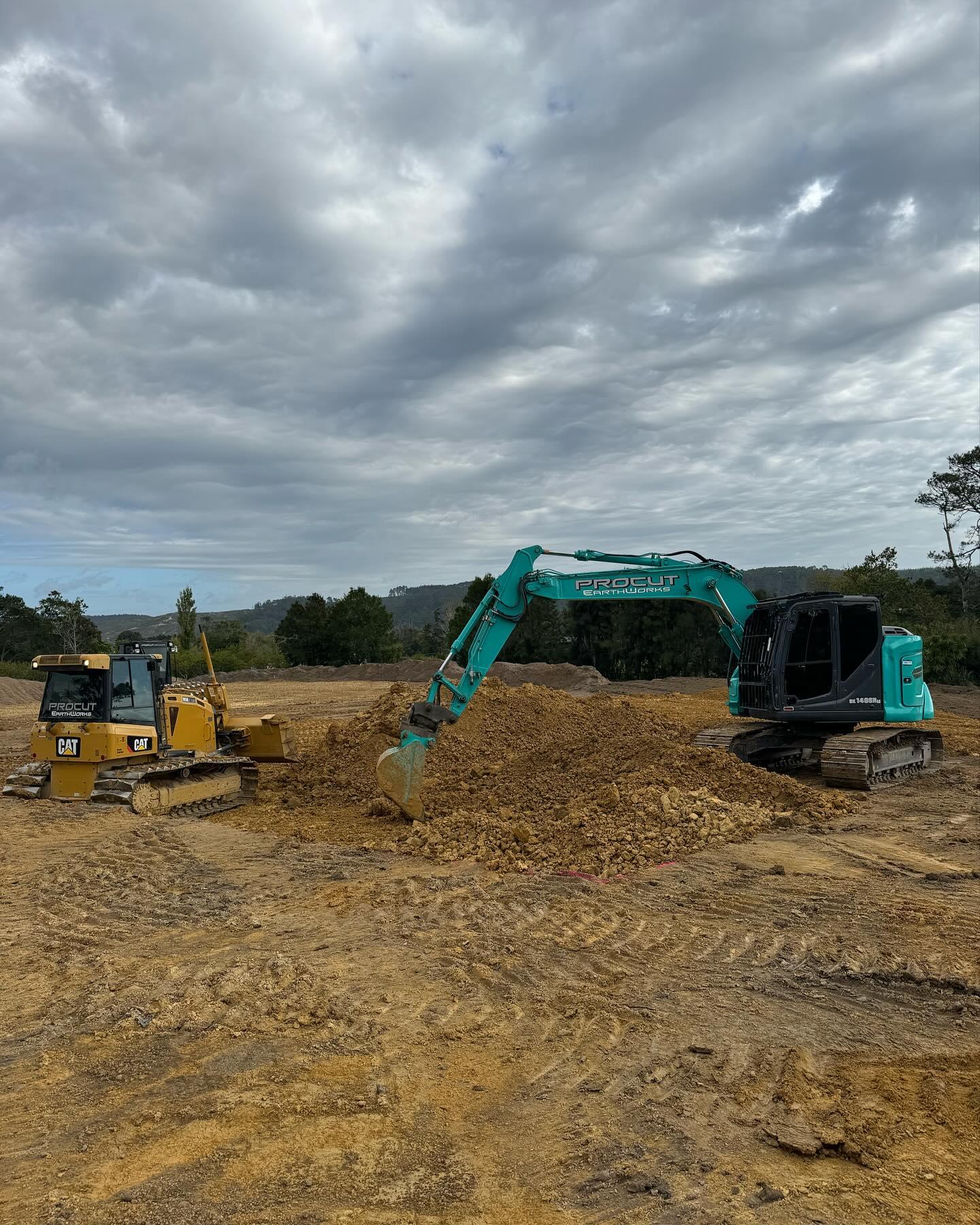
Auckland's housing intensification has created a growing number of construction projects on small, inner-suburban sections where space is at an absolute premium. Tight access, neighbouring buildings in close proximity, overhead services, and limited room for machine manoeuvre all create challenges that require a different approach to standard open-site excavation. Here's how experienced contractors manage them.
The Access Problem
Many Auckland urban infill sites have access that is barely sufficient for a standard vehicle, let alone heavy machinery. Narrow driveways, low clearances under existing structures, and sections that can only be entered from a shared right-of-way all limit the size of machine that can get on site. In extreme cases, a standard excavator cannot access the work area at all.
Experienced urban contractors carry a range of compact equipment for these situations. Mini excavators in the 1.5 to 5 tonne range can work in remarkably confined spaces, and models are available with retractable tracks and reduced-swing booms for the tightest sites. The trade-off is productivity — smaller machines take longer to achieve the same volume of work as their larger counterparts.
Working Near Existing Structures
Excavating near an existing building — whether it's your own or a neighbour's — requires careful management of the risk of ground movement. Removing support from soil adjacent to a foundation can cause settlement, and in soft or unstable ground, even the vibration of nearby machinery can have an effect. A contractor working on a tight urban site should carry out an assessment of adjacent structure risk before commencing, and use appropriate methods to protect neighbouring foundations.
Managing Spoil in Confined Spaces
On an open site, excavated material can be stockpiled adjacent to the excavation and loaded into trucks at a convenient pace. On a tight urban site, there may be no room to stockpile at all — material must be loaded directly into trucks as it's dug, requiring precise coordination between the excavator operator and the truck schedule. This can slow the operation significantly and adds a logistical complexity that needs to be factored into the programme and pricing.
Noise, Dust, and Neighbour Relations
Urban excavation inevitably affects neighbours. Noise from machinery, dust from dry excavation, and vibration from rock-breaking or compaction work are all common irritants. Professional contractors communicate with neighbours before work begins, comply with council working hours requirements, and take steps to minimise dust and debris beyond the site boundary.
The Right Contractor for the Context
Urban tight-access excavation in Auckland is a specialist skill. Not every contractor has the equipment or experience for it. An excavation contractor Auckland-based team with a demonstrated track record on inner-city infill projects is the right choice for this type of work.

 Arabic
 French
 Spanish
 Portuguese
 Deutsch
 Turkish
 Dutch
Dutch
 Italiano
 Russian
 Romaian
 Portuguese (Brazil)
 Greek
Greek