


Industrial piping systems are among the most important components of modern infrastructure. From power plants and manufacturing facilities to oil refineries, chemical processing units, and HVAC installations, piping networks support the transportation of liquids, gases, steam, and other materials that keep industries running efficiently.
However, one of the biggest challenges faced by these systems is thermal expansion and contraction. As temperatures fluctuate during operation, pipes naturally expand and contract. Without proper compensation mechanisms, this movement can place excessive stress on equipment, joints, supports, and connected machinery, leading to costly failures and operational disruptions.
To address these challenges, engineers utilize specialized solutions that help absorb movement, reduce stress, and maintain system integrity. These solutions play a crucial role in ensuring the safety, efficiency, and longevity of industrial piping networks.
Understanding Thermal Expansion in Industrial Systems
Every material expands when heated and contracts when cooled. In industrial environments where temperature changes occur regularly, this natural phenomenon can have significant consequences.
For example, pipelines carrying hot fluids or steam may experience substantial dimensional changes during operation. Even relatively small temperature variations can create considerable stress within long piping runs.
If expansion is not properly managed, industries may encounter:
-
Pipe deformation
-
Joint failures
-
Equipment misalignment
-
Increased vibration
-
Structural damage
-
Reduced system lifespan
Understanding and controlling thermal movement is therefore a fundamental aspect of piping system design.
Why Expansion Control Is Important
Expansion control helps protect both piping infrastructure and connected equipment. By accommodating movement safely, industries can maintain reliable operations while reducing maintenance costs.
Key benefits include:
Reduced Mechanical Stress
Expansion management solutions help minimize the forces transmitted to pumps, valves, turbines, compressors, and other critical equipment.
Improved Equipment Lifespan
Reducing stress and vibration contributes to longer service life for both piping systems and connected machinery.
Enhanced Operational Safety
Properly designed systems are less likely to experience failures that could result in leaks, accidents, or production interruptions.
Lower Maintenance Costs
Preventing premature wear and damage helps reduce repair expenses and operational downtime.
Common Causes of Pipe Movement
Several factors contribute to movement within industrial piping systems.
Temperature Changes
Thermal expansion and contraction remain the primary causes of pipe movement across most industrial applications.
Pressure Variations
Changes in internal pressure can generate forces that affect system stability and alignment.
Mechanical Vibrations
Machinery such as pumps, compressors, and turbines can transmit vibrations throughout connected piping systems.
Structural Settling
Buildings and industrial structures may experience gradual movement over time, affecting pipe alignment.
Seismic Activity
In certain regions, seismic events can create sudden movement that impacts piping infrastructure.
Industries That Require Expansion Management Solutions
Expansion compensation is essential across a wide range of industries.
Power Generation
Power plants frequently operate under extreme temperatures and pressures, making thermal movement a constant consideration.
Oil and Gas
Pipelines transporting hydrocarbons often experience significant temperature variations that require effective expansion control.
Chemical Processing
Chemical plants depend on reliable piping systems capable of handling complex operating conditions.
HVAC Systems
Heating, ventilation, and air conditioning networks regularly experience thermal fluctuations that generate movement within piping systems.
Marine Applications
Marine environments present unique challenges due to temperature changes, vibration, and structural movement.
Designing Efficient Piping Systems
Effective piping system design requires careful consideration of movement, stress distribution, and operational requirements.
Engineers typically evaluate:
-
Pipe length
-
Operating temperatures
-
Pressure conditions
-
Material properties
-
Support configurations
-
Equipment connections
-
Environmental factors
These considerations help ensure system reliability and long-term performance.
The Importance of Flexibility in Industrial Infrastructure
Rigid systems are often more susceptible to damage caused by thermal expansion and operational movement. Incorporating flexibility into piping design allows systems to absorb movement without creating excessive stress.
Flexible solutions help:
-
Accommodate thermal growth
-
Reduce vibration transmission
-
Improve equipment protection
-
Enhance system reliability
-
Support operational efficiency
Flexibility has become a key principle in modern industrial engineering.
Challenges of Thermal Expansion
Managing thermal expansion becomes increasingly complex as systems grow larger and more sophisticated.
Common challenges include:
Long Piping Runs
Longer pipelines experience greater dimensional changes, requiring more comprehensive expansion management strategies.
High-Temperature Operations
Industries operating at elevated temperatures often face significant thermal movement concerns.
Space Constraints
Limited installation space can complicate the implementation of expansion management solutions.
Multiple Movement Directions
Some systems experience axial, lateral, and angular movement simultaneously, increasing design complexity.
The Role of Engineering Standards
Industrial projects typically follow established engineering standards and codes to ensure safety and reliability.
These standards provide guidance on:
-
System design
-
Material selection
-
Installation procedures
-
Testing requirements
-
Performance expectations
Compliance with recognized standards helps reduce risk and improve overall project outcomes.
Maintenance and Inspection Best Practices
Even well-designed systems require regular maintenance to ensure continued performance.
Effective maintenance programs often include:
-
Visual inspections
-
Alignment verification
-
Leak detection
-
Support assessments
-
Performance monitoring
-
Preventive maintenance scheduling
Routine inspections help identify potential issues before they develop into costly failures.
Technological Advancements in Industrial Engineering
Modern engineering technologies continue to improve the design and management of piping infrastructure.
Computer-Aided Design (CAD)
Advanced software enables engineers to create highly detailed system models and evaluate performance before installation.
Stress Analysis Tools
Specialized software helps predict how piping systems will respond to temperature changes, pressure loads, and operational conditions.
Digital Monitoring Systems
Real-time monitoring technologies allow operators to track system performance and identify anomalies quickly.
Advanced Materials
Material innovations continue to improve durability, flexibility, and resistance to challenging operating environments.
Sustainability and Infrastructure Reliability
Industrial organizations increasingly prioritize sustainability alongside operational performance.
Reliable infrastructure contributes to sustainability by:
-
Reducing waste
-
Minimizing energy losses
-
Extending equipment lifespan
-
Lowering maintenance requirements
-
Supporting efficient operations
Investing in long-lasting engineering solutions often delivers both environmental and financial benefits.
Future Trends in Piping System Design
The future of industrial infrastructure will likely focus on:
-
Greater automation
-
Smart monitoring technologies
-
Improved material performance
-
Enhanced predictive maintenance
-
Sustainable engineering practices
These developments are expected to further improve system reliability while reducing operational risks.
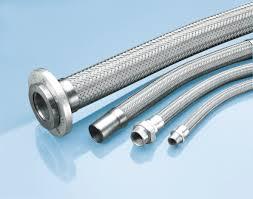
As industries continue to modernize their facilities, solutions such as pipe expansion bellows remain essential for managing thermal movement and protecting critical piping infrastructure from excessive stress and operational challenges.
Conclusion
Thermal expansion is an unavoidable aspect of industrial operations, but its impact can be effectively managed through proper engineering design and infrastructure planning. By understanding movement dynamics and implementing appropriate compensation strategies, organizations can improve safety, reduce maintenance costs, and extend the lifespan of their piping systems.
As industrial facilities continue to evolve, the demand for reliable expansion management solutions will remain strong. Investing in high-quality infrastructure today helps ensure operational efficiency, equipment protection, and long-term success in an increasingly demanding industrial environment.

 Arabic
 French
 Spanish
 Portuguese
 Deutsch
 Turkish
 Dutch
Dutch
 Italiano
 Russian
 Romaian
 Portuguese (Brazil)
 Greek
Greek