


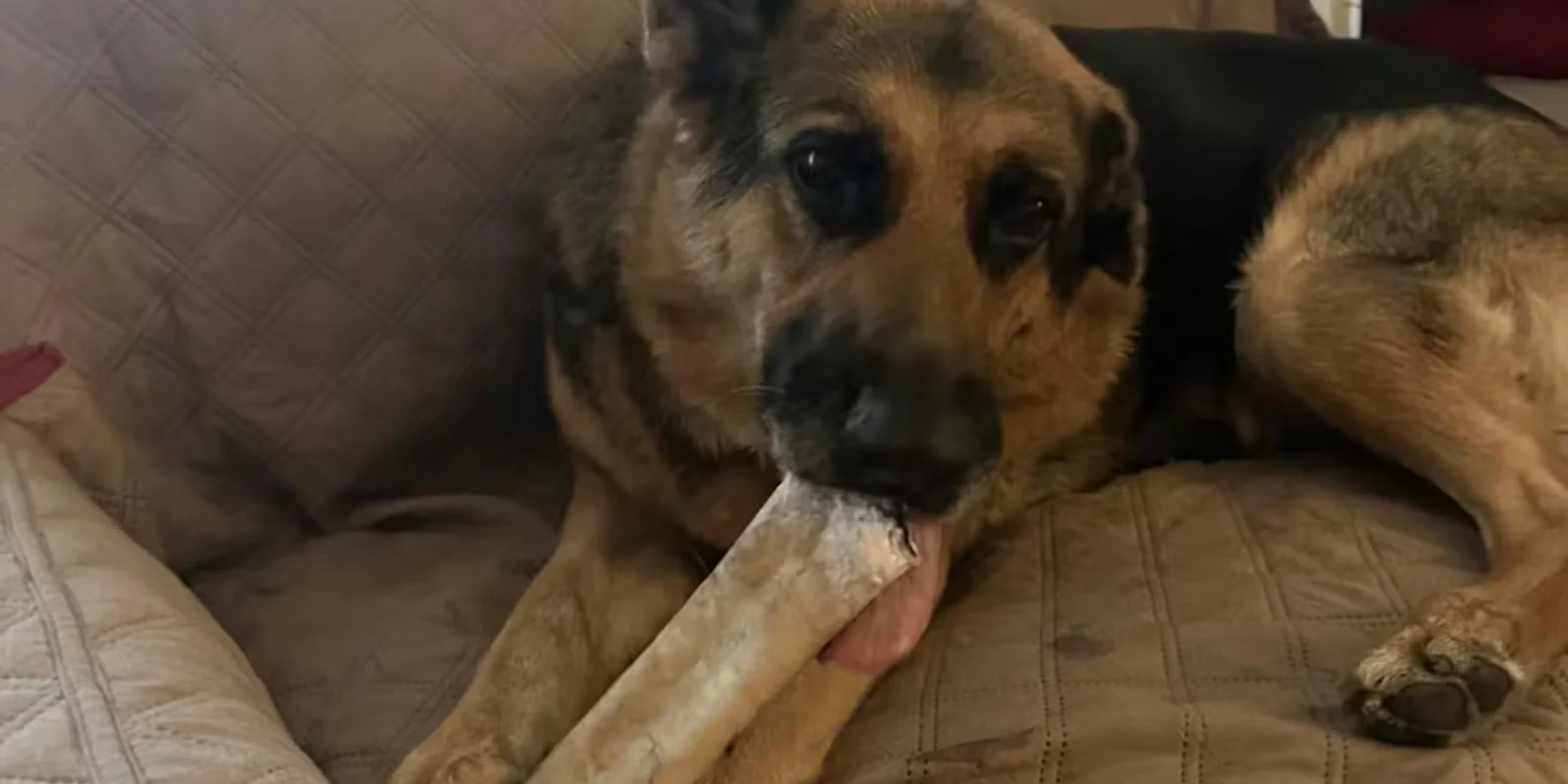
Training a puppy is one of the most rewarding experiences for any dog owner. From teaching basic commands to encouraging good manners, positive reinforcement plays a vital role in helping puppies learn. One of the most effective ways to reinforce good behavior is by using the best training treats for puppies.
The right training treat does more than reward your puppy—it keeps them motivated, supports healthy growth, and strengthens the bond between you and your furry friend. However, not all treats are created equal. Choosing healthy, natural, and appropriately sized treats can make training sessions more successful while contributing to your puppy's overall well-being.
In this guide, we'll explore what makes a great puppy training treat, the benefits of using healthy rewards, and tips for choosing the best options for your growing companion.
Why Training Treats Matter
Puppies are naturally curious and eager to learn, but they also have short attention spans. High-value treats encourage them to focus on you rather than distractions.
Training treats help:
- Reinforce positive behavior
- Increase motivation during training
- Build confidence
- Create positive associations
- Strengthen the bond between owner and puppy
Consistent rewards help puppies understand which behaviors earn praise and treats, making learning faster and more enjoyable.
What Makes the Best Training Treats?
When shopping for puppy treats, look for products that meet several important criteria.
Small Size
Training often requires many repetitions. Small treats allow you to reward your puppy frequently without overfeeding.
Soft Texture
Soft treats are easy for puppies to chew and swallow quickly, allowing training sessions to continue without interruption.
Strong Aroma
Dogs rely heavily on their sense of smell. Treats with a rich, natural aroma help keep puppies engaged during training.
Healthy Ingredients
Look for treats made with natural ingredients and avoid artificial colors, preservatives, and unnecessary fillers.
High-Value Flavor
Chicken, beef, turkey, and liver are often favorites among puppies because of their rich taste.
Benefits of Natural Puppy Training Treats
Natural treats provide more than just great flavor.
Better Nutrition
Treats made with quality ingredients provide protein, vitamins, and minerals that support healthy development.
Easier Digestion
Simple ingredient lists reduce the likelihood of digestive upset in sensitive puppies.
Supports Healthy Growth
Protein-rich treats help maintain healthy muscles while puppies grow rapidly.
Improved Focus
Delicious rewards help puppies stay attentive even in distracting environments.
Ingredients to Look For
Choose treats that include:
- Real meat as the first ingredient
- Natural proteins
- Limited ingredient recipes
- No artificial preservatives
- No unnecessary fillers
Many dog owners also prefer single-ingredient treats because they are easy to digest and highly nutritious.
Ingredients to Avoid
Not every commercial treat is suitable for puppies.
Avoid products containing:
- Artificial colors
- Artificial flavors
- Excess sugar
- Chemical preservatives
- Large amounts of fillers
Reading the ingredient label before purchasing helps ensure you're choosing a healthier option.
When Should You Reward Your Puppy?
Timing is everything.
Give the treat immediately after your puppy performs the desired behavior. Waiting too long can confuse your puppy about which action earned the reward.
Reward behaviors such as:
- Sitting
- Staying
- Coming when called
- Walking politely on a leash
- Going potty outside
- Remaining calm around visitors
How Many Treats Should Puppies Eat?
Even healthy treats should be given in moderation.
A general guideline is that treats should make up no more than 10% of your puppy's daily calorie intake.
To avoid overfeeding:
- Break treats into smaller pieces
- Adjust meal portions if needed
- Use praise along with treats
Training Tips for Success
Keep Sessions Short
Five to ten minutes is usually enough for young puppies.
Train Daily
Consistency helps puppies learn faster.
Use Positive Reinforcement
Reward desired behaviors instead of punishing mistakes.
End on a Positive Note
Finish each training session after your puppy successfully performs a command.
Are Homemade Treats Good?
Many pet owners enjoy preparing homemade treats using natural ingredients.
Popular ingredients include:
- Cooked chicken
- Lean beef
- Pumpkin
- Sweet potato
- Eggs
Always avoid ingredients that are toxic to dogs, including onions, garlic, grapes, raisins, chocolate, and xylitol.
Why Natural Treats Are Worth the Investment
Although premium treats may cost slightly more than inexpensive alternatives, they often contain higher-quality ingredients that support your puppy's long-term health.
Healthier treats may help reduce digestive issues, improve coat quality, and provide better nutrition throughout puppyhood.
Choosing the Right Treat for Your Puppy
Every puppy is different.
Consider:
- Breed size
- Age
- Activity level
- Food sensitivities
- Personal taste preferences
Trying several healthy options can help you discover which treats motivate your puppy the most.
Common Mistakes to Avoid
Many owners accidentally slow training progress by making simple mistakes.
Avoid:
- Giving treats that are too large
- Overfeeding during training
- Choosing low-quality treats
- Delaying rewards
- Inconsistent training schedules
Small improvements in your routine can make a significant difference.
Final Thoughts
Remember that treats are just one part of successful puppy training. Patience, consistency, praise, and regular practice all contribute to raising a confident, well-behaved companion. By selecting nutritious rewards and using them wisely, you'll help your puppy build positive habits that last a lifetime.
Frequently Asked Questions
1. What are the best training treats for puppies?
The best training treats are small, soft, flavorful, and made with natural ingredients so puppies stay motivated without consuming too many calories.
2. How many training treats can I give my puppy each day?
Treats should generally make up no more than 10% of your puppy's daily calorie intake. Use small pieces to avoid overfeeding.
3. Can I use regular dog treats for puppy training?
Yes, if they are soft, appropriately sized, and made with healthy ingredients. Large treats can be broken into smaller pieces.
4. Are natural training treats better than artificial treats?
Natural treats often contain fewer additives and provide higher-quality nutrition, making them a popular choice for growing puppies.
5. At what age can puppies start training with treats?
Most puppies can begin basic reward-based training around 8 weeks of age using soft, puppy-safe treats in very small portions.

 English
 Arabic
 French
 Spanish
 Portuguese
 Deutsch
 Turkish
 Italiano
 Russian
 Romaian
 Portuguese (Brazil)
 Greek
Greek