


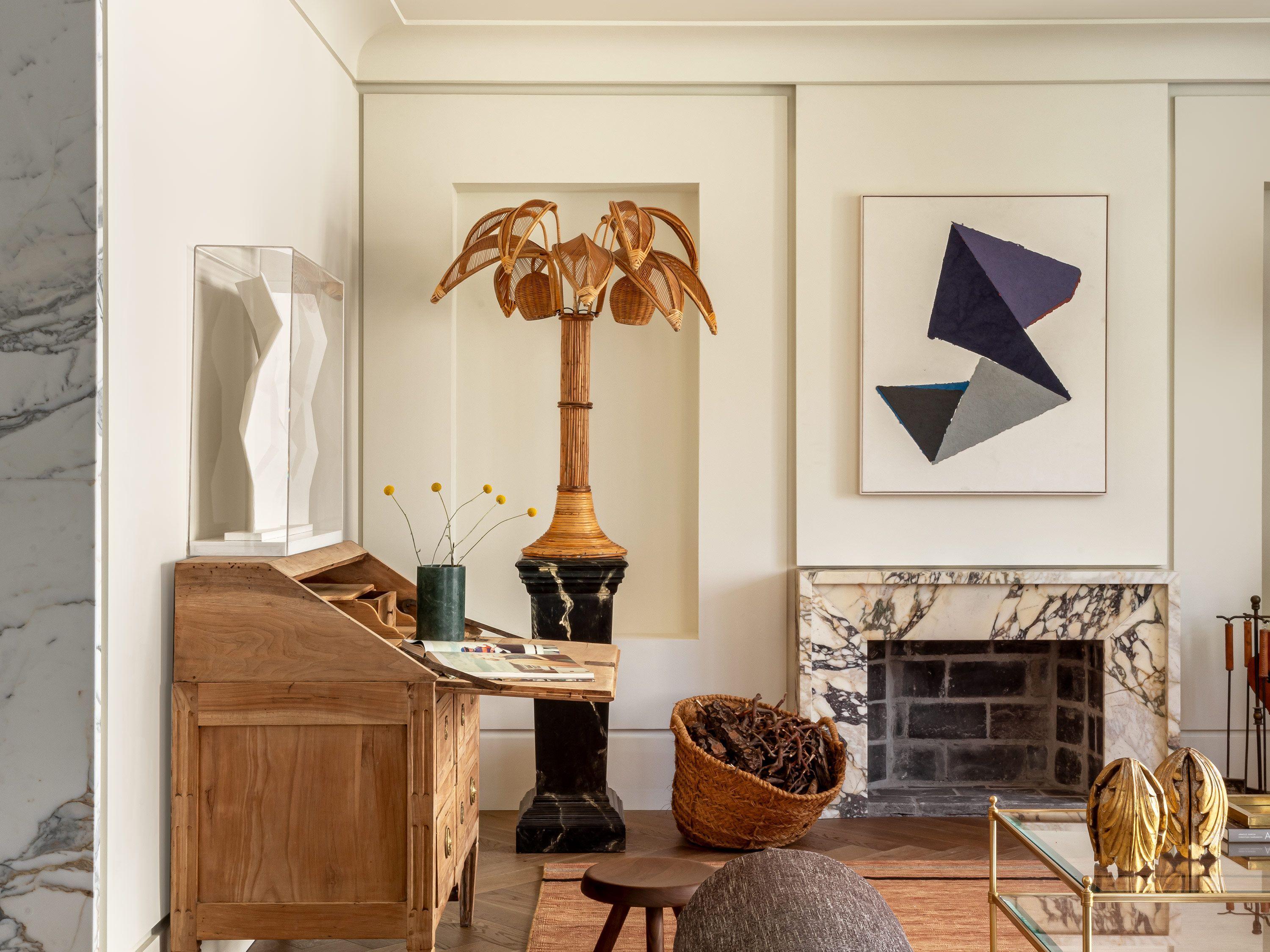
The story of mid-century modern furniture begins with a real post-war need for affordable, functional home design that could be produced at scale for American families. After World War II, the United States saw a housing boom that created demand for simple, practical, and stylish furniture for new suburban homes. This is where mid-century modern furniture emerged as a solution that balanced cost, design, and mass production. It was not just a style but a response to social and economic change happening across the country. Today, mid-century modern furniture is still widely used because it fits both small apartments and modern homes without losing visual appeal.
Even now, mid-century modern furniture continues to dominate interior design trends across the United States in both residential and commercial spaces. Designers choose it because it offers clean lines, functional structure, and timeless proportions that work in almost any environment. However, many people only see it as a visual trend without understanding its deeper historical meaning. This lack of context often leads to confusion between original designs and modern reproductions. The demand for mid-century modern decor on platforms like Pinterest and Instagram has further increased its popularity but reduced awareness of its origins.
To understand mid-century modern furniture properly, we need to look beyond its surface appeal and explore how it developed over time. This evolution explains why it remains one of the most influential design movements in American history. Without this background, buyers and designers may miss the real value behind these pieces.
Post-War America and the Birth of a Design Revolution (Problem Expansion)
After 1945, the United States entered a period of rapid economic growth, suburban expansion, and increased home construction that reshaped consumer demand. According to the U.S. Census Bureau, homeownership rose from around 44% in 1940 to nearly 62% by 1960, which created a huge market for affordable home furnishings. This demand directly influenced the rise of mid-century modern furniture as manufacturers needed faster and more efficient production methods. Traditional handcrafted furniture could not meet the scale required for millions of new homes.
Designers began experimenting with new industrial materials such as molded plywood, fiberglass, and tubular steel to create mid-century modern furniture that was both durable and affordable. These materials allowed companies to mass-produce designs without losing structural integrity or visual simplicity. Firms like Herman Miller and Knoll became leaders in this movement by working closely with designers who prioritized function over ornamentation. The goal was to create mid-century modern furniture that fit modern living spaces while remaining accessible to the average American household.
This shift marked a major turning point in American design history because furniture was no longer just decorative but also highly functional and scalable. The evolution of mid-century modern furniture during this time reflected a broader cultural shift toward efficiency and simplicity. It also laid the foundation for many modern furniture production techniques still used today.
Design Philosophy and the Rise of Functional Aesthetics (Agitation)
As mid-century modern furniture gained popularity, its philosophy of “form follows function” became widely adopted across the design industry. However, this simplicity also created challenges because many later reproductions copied the look without understanding the engineering behind the original pieces. This led to a market where mid-century modern furniture was often visually imitated but structurally inferior. Buyers today still struggle to distinguish between authentic craftsmanship and mass-produced replicas.
The growing popularity of mid-century modern furniture also led to oversaturation in the market, especially in the United States resale industry. Auction houses like Wright Auctions and online platforms such as Chairish reported increasing listings where items were mislabeled as vintage when they were actually modern reproductions. This confusion has reduced trust among buyers who want genuine mid-century modern furniture but are unsure how to verify authenticity. The financial gap between authentic and reproduction pieces continues to widen, making mistakes more costly.
Even in modern interior design, mid-century modern decor is sometimes used loosely to describe any minimalist furniture style. This weakens the original philosophy of the movement and creates design inconsistency. Without understanding its roots, people often overlook the importance of craftsmanship and material integrity in mid-century modern furniture.
Key Designers and Their Lasting Influence (Solution Part 1)
The evolution of mid-century modern furniture cannot be discussed without mentioning influential designers such as Charles and Ray Eames, Florence Knoll, and George Nelson. Their work defined the core principles of the movement and set standards for future furniture production. The Eames Lounge Chair, for example, remains one of the most recognized pieces of mid-century modern furniture still produced today by Herman Miller.
Florence Knoll’s contributions were equally important because she introduced structured, architectural thinking into furniture design. Her approach to mid-century modern furniture focused on clean lines, modular systems, and corporate usability, which became widely adopted in office environments across the United States. Many modern workplaces still use furniture inspired by her original designs. This shows how deeply mid-century modern furniture has influenced both residential and commercial spaces.
George Nelson also played a key role in shaping mid-century modern furniture through his innovative clocks, storage systems, and seating designs. His work demonstrated that furniture could be both artistic and functional at the same time. Today, many of his designs are still in production, proving the lasting relevance of mid-century modern furniture principles.
Market Evolution and Modern Adaptations (Solution Part 2)
In today’s market, mid-century modern furniture has evolved from a post-war necessity into a premium design category. High-end retailers and vintage marketplaces in the United States report steady demand growth, with resale platforms noting consistent increases in verified vintage sales. According to Statista, the U.S. online furniture market exceeded $120 billion in 2025, and mid-century modern furniture remains one of the top-searched categories within that space.
Modern manufacturers now produce both authentic reproductions and inspired pieces, which has created a layered market. Buyers looking for mid-century modern furniture must now evaluate whether they want original vintage pieces or new interpretations. This distinction affects pricing, durability, and long-term value. Many consumers purchasing mid-century modern decor for new homes prefer modern reproductions due to affordability and availability.
However, collectors still prioritize original mid-century modern furniture because of its historical value and craftsmanship. Auction results consistently show that verified pieces outperform reproductions by significant margins. This dual-market structure has made the design movement both accessible and collectible at the same time.
Real-World Case Studies from the U.S. Market (Evidence Section)
In a 2023 auction held in Chicago, a verified Eames molded plywood chair sold for over $7,000 due to its original production label and documented provenance. The same design in reproduction form typically sells for under $1,000 in retail stores. This demonstrates how authentication dramatically impacts the value of mid-century modern furniture in the resale market.
Another case from New York involved a Knoll office chair set purchased for corporate use at a significantly discounted price, later identified as 1990s reproductions. The company initially believed they had acquired authentic mid-century modern furniture, but expert evaluation revealed otherwise, reducing the value by nearly 70%. This highlights the importance of verification in commercial purchases.
Retail platforms such as Chairish and 1stDibs continue to refine their authentication processes because demand for mid-century modern furniture remains strong. Sellers who provide verified documentation consistently achieve higher sales prices and faster turnover. This reinforces the importance of provenance in the modern marketplace.
Conclusion
The evolution of mid-century modern furniture shows how a post-war necessity transformed into one of the most influential design movements in history. From industrial innovation to cultural icon, its journey reflects changes in American lifestyle, manufacturing, and taste. Today, mid-century modern furniture continues to shape homes, offices, and retail environments across the country.
Even in modern interiors, mid-century modern decor remains a standard reference point for clean, functional design that does not rely on excess decoration. Its influence can be seen in everything from architecture to product design and even digital interfaces. The principles behind mid-century modern furniture still guide designers who value simplicity and usability.
In conclusion, understanding the evolution of mid-century modern furniture helps buyers, designers, and collectors make better decisions in today’s market. It is not just a style but a design philosophy that has stood the test of time. Its continued relevance proves that good design does not fade, it evolves and adapts to new generations.

 Arabic
 French
 Spanish
 Portuguese
 Deutsch
 Turkish
 Dutch
Dutch
 Italiano
 Russian
 Romaian
 Portuguese (Brazil)
 Greek
Greek