


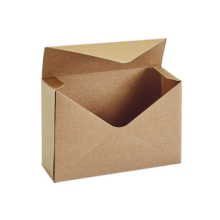
Packing small round boxes requires a different approach than standard rectangular packaging — and getting it right makes a meaningful difference to how the product inside is protected, presented, and received. Cylindrical and round packaging formats are genuinely popular across cosmetics, candles, gifting, confectionery, and jewelry in 2026, but many brands underestimate how the unique structural properties of a round box change the packing requirements.
Why Round Boxes Require Different Packing Strategies
The circular structure of a round box distributes external pressure evenly around its perimeter, which gives it natural resistance to crushing under compression. This is a genuine structural advantage over rectangular boxes, where corners are the most vulnerable points during transit.
However, packing small round boxes introduces its own set of challenges that rectangular formats don't face. Standard rectangular void-fill materials don't conform naturally to a cylindrical interior. Standard labels are designed for flat surfaces. And standard insert materials require custom cutting rather than simple folding to fit a circular footprint properly.
Products Most Suited to Small Round Boxes
Small round packaging is particularly well suited to products with circular or cylindrical shapes: candle tins, face cream jars, perfume bottles, specialty teas and spices, macarons and confectionery stacks, loose-leaf tea or coffee, bath bombs, and small jewelry items. In each of these cases, the round box matches the product's natural form rather than forcing it into a rectangular space that requires excess padding to compensate.
Packing Materials for Cylindrical Interiors
When packing small round boxes for shipping or retail display, the right internal protection materials are essential.
Die-Cut Circular Inserts
Die-cut cardboard or foam inserts cut to match the interior diameter of the box provide the most effective base support for fragile items. These inserts sit on the bottom of the cylinder and hold the product centered, preventing it from sliding or tipping during handling. For stacked products like macarons or chocolate discs, a series of circular cardboard dividers between each layer maintains separation and prevents breakage during transit.
Tissue Paper and Crinkle Fill
Tissue paper folded in concentric layers within a round box creates both a gentle cushioning layer and a visually appealing presentation element that customers unfold as part of the unboxing process. Crinkle fill — the shredded paper commonly used in gift packaging — adapts reasonably well to cylindrical interiors and provides lightweight product security without the need for custom die-cut inserts, making it a practical choice for smaller-volume operations.
Foam Inserts
For higher-value items, custom foam inserts cut to the exact profile of the product provide the most secure internal protection available when packing small round boxes for shipping. This is the standard approach for perfume bottles, delicate ceramic jars, and any product where the cost of breakage significantly exceeds the cost of premium packaging materials.
Lid Styles and Closure Security
The closure style of a small round box directly affects how well the contents are protected during transit and how the packaging is experienced by the person receiving it.
Slip-On Disc Lids
The most common closure for small round boxes is the slip-on disc lid, which fits over or into the top of the cylinder. Well-fitted slip-on lids provide adequate security for retail display and light handling, but can come loose under significant transit pressure if the fit tolerance is not precise. When packing small round boxes for shipping rather than retail display, confirming that the lid fits snugly with consistent tension around the full circumference is essential before committing to a box dimension.
Telescoping Lids
A telescoping lid overlaps the sides of the cylinder rather than simply sitting on top, providing significantly more security for transit. This style is more common for premium round boxes used in gifting contexts, where the lid removal is itself a deliberate, satisfying moment as part of the unboxing experience.
Labeling Round Boxes Correctly
Labeling presents a specific challenge when packing small round boxes because standard rectangular labels do not conform naturally to a curved surface. Labels wider than approximately 30mm applied to a small cylinder will buckle or peel at the edges.
Curved, narrow labels printed to match the radius of the specific cylinder diameter provide the cleanest result. For premium round boxes, sleeve-style label wraps that cover the full circumference of the cylinder create a seamless, professional appearance that fully branded cylindrical packaging delivers. In 2026, die-cut label shapes specifically designed for cylindrical surfaces are increasingly available from specialty label suppliers, which simplifies this challenge considerably.
Finishing and Branding Options
Small round boxes support a comparable range of finishing options to rectangular packaging, including full-color printing across the cylinder's exterior surface, foil stamping for metallic accents, and embossing for tactile brand details.
The 360-degree print surface of a cylindrical box is a genuine branding advantage — when packing small round boxes for retail, the product remains visible and branded from any angle on the shelf, rather than only being branded on the single face visible to a customer walking past. This full-perimeter visibility makes round packaging naturally eye-catching in a retail environment where most competing products are packaged in rectangular formats visible from one face at a time.
Conclusion
Packing small round boxes correctly requires attention to internal protection, lid security, labeling approach, and branding strategy that rectangular packaging simply doesn't demand in the same way. When these specific requirements are addressed properly, round packaging delivers a distinctive, visually memorable result that stands out in retail and creates a satisfying, premium unboxing experience for the recipient. For brands whose products suit the circular format, investing the time to pack small round boxes correctly is an investment in the impression every one of those products makes.

 English
 Arabic
 French
 Spanish
 Portuguese
 Deutsch
 Turkish
 Dutch
Dutch
 Italiano
 Romaian
 Portuguese (Brazil)
 Greek
Greek