


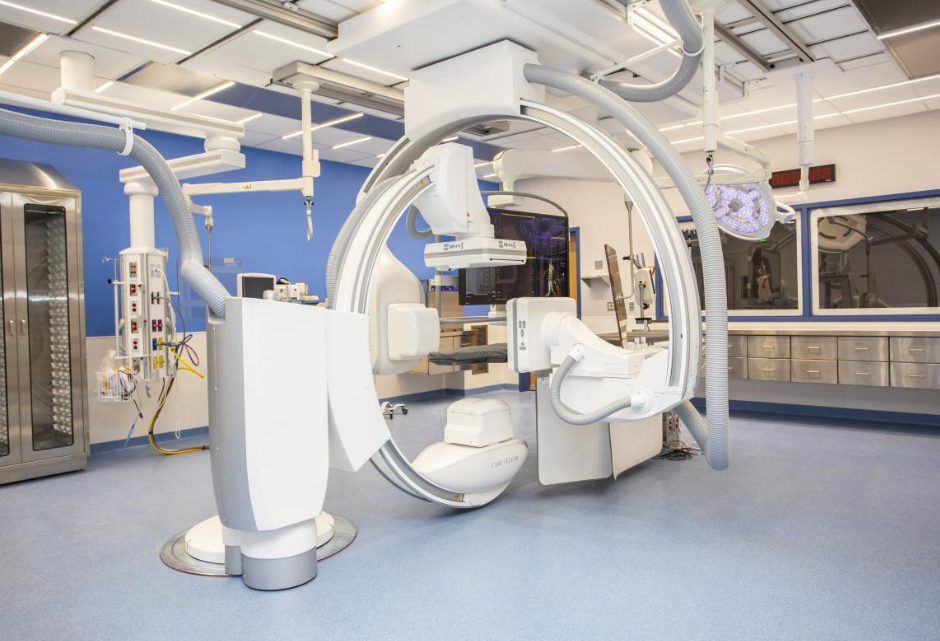
Modern medicine has made remarkable progress in improving patient care while reducing the risks associated with diagnosis and treatment. One of the most significant advancements has been the growing use of medical imaging technologies that allow healthcare providers to examine the body without surgery or invasive exploratory procedures.
Among these technologies, ultrasound has become one of the most trusted and widely used diagnostic tools. From evaluating abdominal pain and monitoring chronic diseases to assessing blood vessels and soft tissue injuries, ultrasound provides real-time insights into the body's internal structures without exposing patients to radiation or requiring surgical intervention.
Today, diagnostic ultrasound services are helping healthcare providers answer important clinical questions faster, more safely, and more efficiently than ever before. In many cases, ultrasound imaging can eliminate the need for invasive diagnostic procedures, reducing patient discomfort, lowering healthcare costs, and improving overall outcomes.
This article explores how ultrasound technology is transforming modern diagnostics and why it has become an essential component of patient-centered healthcare.
Understanding Invasive Diagnostic Procedures
An invasive diagnostic procedure involves entering the body through an incision, needle, catheter, or specialized instrument to gather information about a patient's condition.
Common examples include:
-
Exploratory surgery
-
Diagnostic laparoscopy
-
Certain biopsy procedures
-
Angiography using catheter insertion
-
Endoscopic examinations
-
Needle aspiration procedures
While these procedures can provide valuable information, they often involve:
-
Physical discomfort
-
Recovery time
-
Increased healthcare costs
-
Infection risks
-
Bleeding complications
-
Additional stress for patients
Healthcare providers increasingly seek alternatives that can deliver accurate diagnostic information while minimizing these risks.
What Makes Ultrasound Different?
Ultrasound uses high-frequency sound waves to create detailed images of internal organs, tissues, muscles, blood vessels, and other structures.
Unlike CT scans and X-rays, ultrasound:
-
Does not use ionizing radiation
-
Is non-invasive
-
Produces real-time images
-
Is generally painless
-
Can be repeated safely when needed
Because of these advantages, healthcare providers frequently use ultrasound as a first-line diagnostic tool before considering more invasive investigations.
Modern diagnostic ultrasound services provide physicians with critical information that often helps avoid unnecessary procedures altogether.
Why Healthcare Is Moving Toward Non-Invasive Diagnostics
Healthcare systems worldwide are prioritizing patient safety, efficiency, and cost-effective care.
The shift toward non-invasive diagnostics is driven by several factors:
Improved Patient Experience
Patients naturally prefer diagnostic methods that do not involve surgery or significant discomfort.
Lower Risk Profiles
Non-invasive imaging reduces the possibility of complications associated with invasive testing.
Faster Diagnoses
Ultrasound examinations can often be scheduled and completed quickly.
Reduced Healthcare Costs
Avoiding unnecessary procedures lowers expenses for both patients and healthcare systems.
Better Preventive Care
Earlier diagnosis allows providers to intervene before conditions worsen.
How Ultrasound Helps Avoid Exploratory Surgery
Before advanced imaging technologies became widely available, physicians sometimes relied on exploratory surgery to investigate internal abnormalities.
Today, ultrasound often provides the information needed without requiring surgical intervention.
Abdominal Pain Assessment
Patients experiencing abdominal pain may have conditions involving:
-
The gallbladder
-
Liver
-
Kidneys
-
Pancreas
-
Spleen
Ultrasound can often identify:
-
Gallstones
-
Kidney stones
-
Cysts
-
Organ enlargement
-
Fluid accumulation
This information frequently eliminates the need for exploratory procedures.
Evaluating Gallbladder Disease Without Surgery
Gallbladder disease is one of the most common reasons patients undergo abdominal imaging.
Symptoms may include:
-
Upper abdominal pain
-
Nausea
-
Digestive discomfort
Ultrasound is considered the preferred initial imaging test for gallstones and gallbladder abnormalities.
By clearly visualizing stones and inflammation, ultrasound helps physicians make treatment decisions without requiring invasive diagnostic surgery.
This is one reason why diagnostic ultrasound services are so widely used in gastrointestinal healthcare.
Reducing the Need for Certain Biopsies
Biopsies remain important for diagnosing many medical conditions.
However, ultrasound can sometimes help determine whether a suspicious finding appears benign or requires further investigation.
For example:
Thyroid Nodules
Thyroid nodules are extremely common.
Ultrasound evaluates:
-
Size
-
Shape
-
Blood flow patterns
-
Internal characteristics
Many nodules can be safely monitored based on ultrasound findings alone, reducing unnecessary biopsy procedures.
Breast Abnormalities
Ultrasound often helps distinguish fluid-filled cysts from solid masses.
This information may prevent additional invasive testing in appropriate cases.
Ultrasound and Vascular Health Assessment
Historically, evaluating blood vessel abnormalities often required invasive angiography procedures.
Modern Doppler ultrasound has changed this significantly.
Healthcare providers can now assess:
-
Blood flow
-
Arterial narrowing
-
Venous insufficiency
-
Blood clots
-
Vascular blockages
without inserting catheters into blood vessels.
Deep Vein Thrombosis (DVT)
Ultrasound is the primary diagnostic tool for evaluating suspected DVT.
It provides rapid, non-invasive assessment that often eliminates the need for more invasive vascular investigations.
Supporting Women's Health With Less Invasive Testing
Women's health is another area where ultrasound has dramatically reduced invasive diagnostics.
Pelvic Pain Evaluation
Ultrasound can identify:
-
Ovarian cysts
-
Uterine fibroids
-
Pelvic masses
-
Reproductive system abnormalities
without requiring surgical exploration.
Fertility Assessments
Ultrasound allows physicians to evaluate reproductive structures and monitor fertility treatments without invasive procedures.
Gynecological Monitoring
Many conditions can be safely monitored over time through imaging rather than surgery.
Musculoskeletal Imaging Without Diagnostic Surgery
Sports injuries and musculoskeletal conditions frequently affect:
-
Muscles
-
Tendons
-
Ligaments
-
Joints
In the past, diagnostic surgery was sometimes necessary to evaluate certain injuries.
Today, ultrasound helps physicians assess:
-
Tendon tears
-
Muscle strains
-
Soft tissue injuries
-
Inflammation
in real time.
This enables more informed treatment decisions while reducing unnecessary invasive interventions.
Real-Time Imaging Improves Clinical Decision-Making
One of ultrasound's greatest strengths is its ability to provide real-time visualization.
Healthcare providers can observe:
-
Organ movement
-
Blood flow
-
Muscle function
-
Tissue changes
during the examination itself.
This dynamic capability often provides immediate answers that support diagnosis and treatment planning.
The efficiency of modern diagnostic ultrasound services allows clinicians to gather valuable information quickly and safely.
Monitoring Chronic Conditions Without Repeated Invasive Procedures
Patients with chronic diseases often require ongoing monitoring.
Repeated invasive testing can increase risks and reduce patient comfort.
Ultrasound offers a safer alternative.
Liver Disease Monitoring
Ultrasound helps evaluate:
-
Fatty liver disease
-
Cirrhosis
-
Liver enlargement
Kidney Disease Assessment
Providers can monitor structural changes and disease progression over time.
Thyroid Disorders
Repeated imaging tracks nodules and gland abnormalities without repeated biopsies or surgical interventions.
This makes diagnostic ultrasound services an essential tool for long-term healthcare management.
How Advanced Ultrasound Technology Continues to Improve Care
Modern ultrasound systems are far more sophisticated than earlier generations.
Today's technology includes:
High-Resolution Imaging
Improved image clarity supports more accurate diagnoses.
Doppler Ultrasound
Detailed assessment of blood flow and vascular health.
Advanced Software Tools
Enhanced image analysis and measurement capabilities.
AI-Assisted Imaging
Artificial intelligence helps improve consistency and efficiency.
Providers such as Why Wait Imaging utilize advanced imaging technology to support accurate diagnosis and patient-centered care.
Benefits for Patients
Patients benefit from ultrasound imaging in numerous ways.
Greater Comfort
Most ultrasound examinations are painless and non-invasive.
Reduced Risk
No surgical incisions or invasive instruments are required.
Faster Results
Many examinations can be completed quickly.
Lower Costs
Avoiding unnecessary procedures often reduces overall healthcare expenses.
Improved Peace of Mind
Earlier answers help reduce uncertainty and anxiety.
These benefits explain why demand for diagnostic ultrasound services continues to grow across healthcare systems worldwide.
When Invasive Procedures Are Still Necessary
Although ultrasound provides valuable diagnostic information, it cannot replace every invasive procedure.
Certain situations still require:
-
Tissue biopsies
-
Surgical evaluation
-
Endoscopic procedures
-
Advanced interventional testing
However, ultrasound often helps determine when these procedures are truly necessary.
By improving diagnostic accuracy early in the evaluation process, healthcare providers can better select patients who genuinely need additional interventions.
The Future of Non-Invasive Diagnostics
Healthcare continues moving toward less invasive, more patient-friendly diagnostic approaches.
Future developments may include:
-
AI-enhanced ultrasound analysis
-
Portable imaging devices
-
Improved 3D imaging
-
Remote ultrasound consultations
-
Precision medicine integration
These innovations will further strengthen ultrasound's role in modern healthcare.
As technology advances, diagnostic ultrasound services will continue helping physicians obtain critical information while minimizing patient risk.
Conclusion
The evolution of ultrasound technology has transformed the way healthcare providers diagnose and monitor medical conditions. By offering safe, accurate, and real-time imaging, ultrasound helps reduce reliance on invasive diagnostic procedures while improving patient comfort and clinical efficiency.
From evaluating abdominal pain and vascular disease to monitoring chronic conditions and supporting women's health, ultrasound has become one of the most versatile diagnostic tools available. In many situations, diagnostic ultrasound services provide the answers physicians need without requiring exploratory surgery, invasive testing, or lengthy recovery periods.
As healthcare increasingly emphasizes early detection, patient safety, and cost-effective care, ultrasound will continue playing a vital role in delivering accurate diagnoses while reducing unnecessary interventions. For patients and healthcare providers alike, this represents a significant step toward more efficient, accessible, and patient-centered medical care.

 English
 Arabic
 French
 Spanish
 Portuguese
 Deutsch
 Turkish
 Dutch
Dutch
 Italiano
 Russian
 Romaian
 Portuguese (Brazil)