


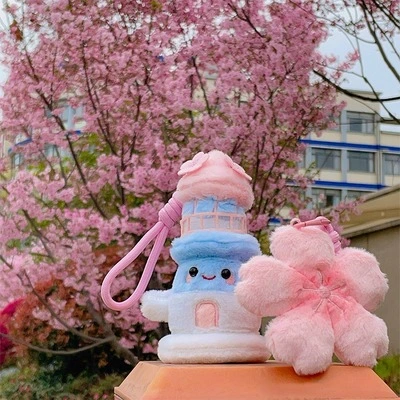
Bringing a plush toy idea to life involves considerably more than simply sketching a cute character and hoping a factory can figure out the rest. From choosing the right fabric to nailing the proportions that make a design feel huggable rather than awkward, working with an experienced plush toy manufacturer changes the entire trajectory of a project. This guide walks through what actually happens between an initial concept and a finished, sellable plush product, giving brands and individual creators a realistic picture of the process before they commit time and budget to a custom run.
Starting With a Clear Design Concept
Every successful plush project begins with a clear design concept, whether that's a rough sketch, a digital illustration, or simply a strong written description of the character's personality and key features. Manufacturers work considerably better from concrete visual references than vague verbal descriptions, since small details like ear shape, eye placement, and proportion ratios genuinely determine whether the finished toy captures the intended charm. Brands that invest time refining their concept before reaching out to a factory typically move through sampling much faster than those hoping the manufacturer will somehow read their mind.
Selecting Fabrics and Materials That Match the Vision
Fabric choice shapes both the tactile experience and the visual character of a finished plush, with options ranging from ultra-soft minky and plush fleece through more textured options like faux fur or sherpa depending on the intended look and feel. Beyond the outer fabric, decisions around fill density, safety-rated eyes or embroidered features, and internal support materials all affect how the toy holds its shape over time. Getting these material decisions right early prevents the frustrating experience of receiving a sample that looks nothing like what the design team originally envisioned.
Moving Through the Sampling and Revision Process
Sampling represents the stage where concepts genuinely become physical objects, and this is exactly where a capable custom plush manufacturer earns its reputation, since translating a flat drawing into a three-dimensional soft toy requires real pattern-making skill. Most projects need at least one or two rounds of revision, adjusting stitching lines, stuffing firmness, or proportions until the sample genuinely matches the brand's expectations. Buyers should budget realistic time for this back-and-forth, since rushing sampling often leads to costly surprises once full production quantities are already underway.
Understanding Quality Control and Safety Compliance
Safety compliance isn't optional for plush toys, particularly those intended for children, and reputable manufacturers build testing checkpoints into every stage of production rather than treating compliance as a final afterthought before shipment. This includes verifying that stuffing materials meet flammability standards, confirming that any small parts like eyes or noses pass pull-force testing, and ensuring seams hold up under reasonable stress. Buyers working with brands or retailers should always request documentation proving these standards have genuinely been met rather than simply taking a supplier's word for it.
Scaling From Sample to Bulk Production
Once a sample earns final approval, the project moves into bulk production, where consistency becomes the primary challenge rather than creative interpretation. This is where the difference between a hobbyist workshop and a genuine custom made plush toy factory becomes obvious, since maintaining identical proportions, stitching quality, and color matching across thousands of units requires disciplined manufacturing processes rather than individual craftsmanship alone. Buyers should ask potential suppliers directly how they maintain this consistency, since vague answers here often predict frustrating quality variation later.
Choosing a Manufacturing Partner Built for the Long Haul
Selecting the right manufacturing partner ultimately matters more than any single production detail, since this relationship will shape every future reorder, seasonal update, and new character launch a brand pursues. Buyers benefit from evaluating communication responsiveness, sample turnaround speed, and willingness to genuinely collaborate on design refinements rather than simply executing whatever specification arrives first. A supplier who treats early conversations with real seriousness tends to prove considerably more dependable once actual production volume begins.

 Arabic
 French
 Spanish
 Portuguese
 Deutsch
 Turkish
 Dutch
Dutch
 Italiano
 Russian
 Romaian
 Portuguese (Brazil)
 Greek
Greek