


Men's Business Casual Wear: The Complete Guide
You know the guy. Full suit, tie knotted tight, walking into an office where everyone else is in a polo and chinos. Or the opposite — jeans and a graphic tee in a place where the dress code memo clearly said "business casual." Both of them missed it. And honestly, men's business casual wear confuses more people than it should.
Here's what this guide actually covers: the pieces worth buying, how to put together a wardrobe you're not constantly fighting with, what to change depending on the season, and the little mistakes that quietly make a decent outfit look off. Nothing complicated. Just the stuff that actually matters.
What Is Business Casual Wear for Men?
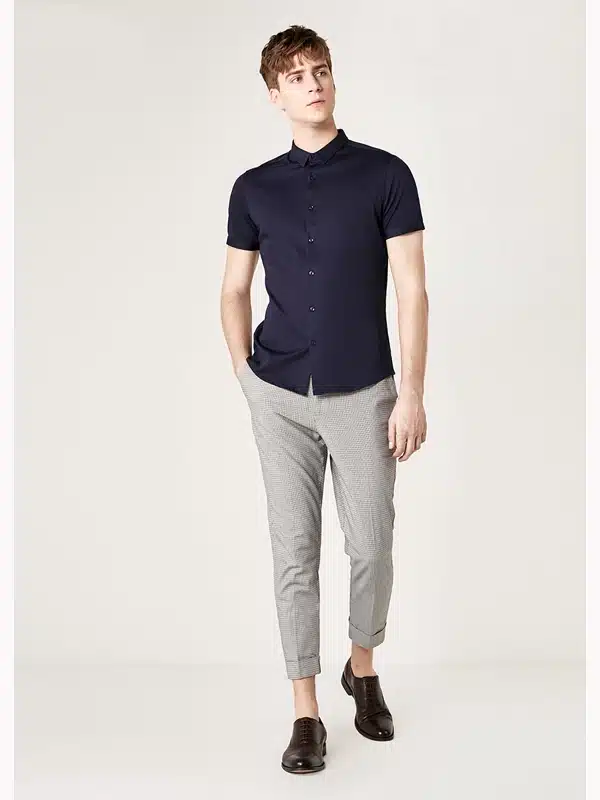
It's the middle ground. Not a suit, not weekend clothes, somewhere in between. A collared shirt, chinos or tailored trousers, decent shoes, maybe a blazer if the occasion calls for it. No tie needed. No jacket required either, most days.
The whole idea took off when offices started loosening up back in the 90s and 2000s. Nobody wanted to wear a full suit every single day, but showing up looking like you rolled out of bed wasn't going to fly either. So this middle option became the default, and now you'll see it everywhere, from banks to law firms to your average tech office.
Business Casual vs Formal vs Casual
Put them side by side and the differences click pretty fast.
| Dress Code | Top | Bottom | Footwear | Typical Setting |
|---|---|---|---|---|
| Formal | Suit jacket, dress shirt, tie | Matching suit trousers | Oxford shoes | Client meetings, interviews, formal events |
| Business Casual | Collared shirt, polo, or sweater | Chinos or dress trousers | Loafers or derby shoes | Daily office wear, casual Friday alternatives |
| Casual | T-shirt, henley | Jeans, shorts | Sneakers | Weekends, informal outings |
Business casual takes the bones of a formal outfit and just... relaxes them a bit. That's really all it is.
Core Pieces of a Men's Business Casual Wardrobe
Forget filling an entire closet. A few solid pieces, chosen with some care, will get you through most workdays without a second thought.
Shirts and Tops
The collared shirt does most of the work. Oxfords, chambray, lightweight knit polos, all safe choices. Solid colors are easiest, but a subtle check or thin stripe works fine too. Save the loud, busy prints for the weekend. They just don't belong in most offices.
Trousers and Bottoms
Chinos are the workhorse here, go-to, versatile, hard to mess up. Wool or cotton-blend dress trousers earn a spot too, especially if you're in front of clients often. Skip anything distressed or too tight; both scream "off the clock."
Footwear
Loafers, derby shoes, even a clean minimalist sneaker, all fair game, depending on how relaxed your office actually runs. Looking for good business casual shoes? Stick to neutral tones like brown, black, or tan. They'll match nearly everything else you own, which saves you a lot of decision-making on a Monday morning.
Outerwear and Layers
Blazers and Sport Coats
Throw an unstructured blazer over a plain shirt and chinos, and the whole thing suddenly looks put-together. Navy, grey, olive, colors you'll actually reach for, not ones that sit in the closet gathering dust.
Sweaters and Cardigans
A lightweight sweater over a collared shirt adds a bit of texture. It also solves the "office AC is freezing" problem without needing a full jacket every time.
Building a Business Casual Capsule Wardrobe
Here's something nobody tells you upfront: you don't need more clothes, you need better clothes. A tight rotation of quality pieces beats a stuffed closet full of things you never actually wear. A decent starting point looks something like this:
| Category | Recommended Quantity | Examples |
|---|---|---|
| Shirts | 5–7 | Oxford shirts, polos, chambray shirts |
| Trousers | 3–4 | Chinos in navy, grey, khaki |
| Blazers | 1–2 | Navy and grey unstructured blazers |
| Shoes | 2–3 | Brown loafers, black derby, minimalist sneakers |
| Belts | 2 | Brown and black leather |
| Sweaters | 2–3 | Crewneck and quarter-zip styles |
That's about 15 to 20 items total. Doesn't sound like much, but the combinations you can pull from that stack will cover a few weeks easily.
Seasonal Business Casual Outfits
Summer Business Casual
When it's hot, fabric weight is everything. Cotton or linen shirts, breathable chinos, loafers without socks, that combo keeps you cool and still looks like you tried. Leave the blazer at home unless your office runs the AC like it's the middle of winter.
Winter Business Casual
This is where layering matters. A wool sweater under a blazer, heavier trousers, a pair of leather boots, warm, but still polished. Add a scarf or overcoat for the walk to work and you're covered.
Business Casual by Industry
Not every office follows the same script, so take this as a rough guide rather than a rulebook.
| Industry | Typical Expectation |
|---|---|
| Finance & Banking | Leans formal; blazers and dress trousers common |
| Tech & Startups | Relaxed business casual; polos and chinos accepted |
| Law Firms | Conservative business casual; minimal patterns |
| Consulting | Client-facing days lean formal; internal days more relaxed |
| Creative Agencies | Most flexible; smart casual outfits often acceptable |
If you're unsure, just ask someone who's already worked there a while. Company culture beats any general rule.
Accessories That Complete the Look
The small stuff matters more than people think. Match your belt to your shoes. Wear a simple watch. Keep your haircut tidy. Skip anything oversized or covered in logos, restraint just reads better than flash, every time.
Common Mistakes to Avoid
A handful of small habits quietly wreck an otherwise good outfit:
- Pulling a wrinkled shirt straight out of the dryer
- Wearing shoes that don't match your belt
- Sizing shirts or trousers too tight, or too loose
- Ignoring the season and sweating (or freezing) through the day
- Cramming too many patterns into one outfit
- Skipping the iron before something important
- Wearing athletic sneakers somewhere that clearly doesn't allow it
None of this costs extra money. It just takes a bit more attention before you walk out the door.
How to Care for Business Casual Clothing
Clothes last longer when you actually look after them. Rotate your shoes instead of wearing the same pair every single day, leather needs a break to air out. Cedar shoe trees help keep the shape intact. And check the label before you toss something in the wash: wool blazers and dress trousers usually need dry cleaning, while most cotton shirts are fine on a gentle machine cycle.
One more habit worth building, hang your clothes instead of stuffing them in a drawer. Small thing, but it cuts down on wrinkles, and you're not ironing a shirt five minutes before you need to leave.
Frequently Asked Questions
1. What's the difference between business casual and smart casual? Business casual leans a little more formal, collared shirts, dress trousers, while smart casual outfits give you more freedom, including quality sneakers and casual jackets.
2. Can I wear jeans as part of business casual wear? In more relaxed offices, sure, as long as they're dark, well-fitted, and not distressed. Traditionally, though, business casual sticks to chinos or dress trousers.
3. Are sneakers acceptable for business casual outfits? Increasingly, yes. Clean, minimalist leather sneakers work in a lot of modern offices, especially tech and creative spaces. Conservative workplaces still tend to expect loafers or derby shoes.
4. How many outfits do I actually need for a business casual wardrobe? Somewhere around 15 to 20 pieces total, mixed and matched, usually covers two to three weeks without repeating yourself.
5. Do I need a blazer for business casual wear? Not every day. But having one or two on hand means you can dress up fast for a client meeting without scrambling.
Budget-Friendly Tips for Business Casual Wear
You don't need to blow your paycheck on this. Spend a bit more on the things that get worn constantly, trousers and shoes take the most beating, so they're worth the investment. Shirts and sweaters can come from mid-range brands, and nobody's going to notice the difference. Keep an eye out for end-of-season sales on blazers and outerwear too; you won't wear them as often, but they cost more upfront, so a discount actually counts for something. Building a wardrobe piece by piece beats buying a pile of cheap stuff all at once. It just holds up better down the line.
Conclusion
Business casual dress really isn't that complicated once the basics click, a good shirt, tailored trousers, decent shoes, a blazer for when you need it. Build a small wardrobe that actually works, adjust for the weather, and pay attention to the little things like fit and upkeep. Get that right, and getting dressed for work stops being something you have to think about every morning.

 Arabic
 French
 Spanish
 Portuguese
 Deutsch
 Turkish
 Dutch
Dutch
 Italiano
 Russian
 Romaian
 Portuguese (Brazil)
 Greek
Greek