


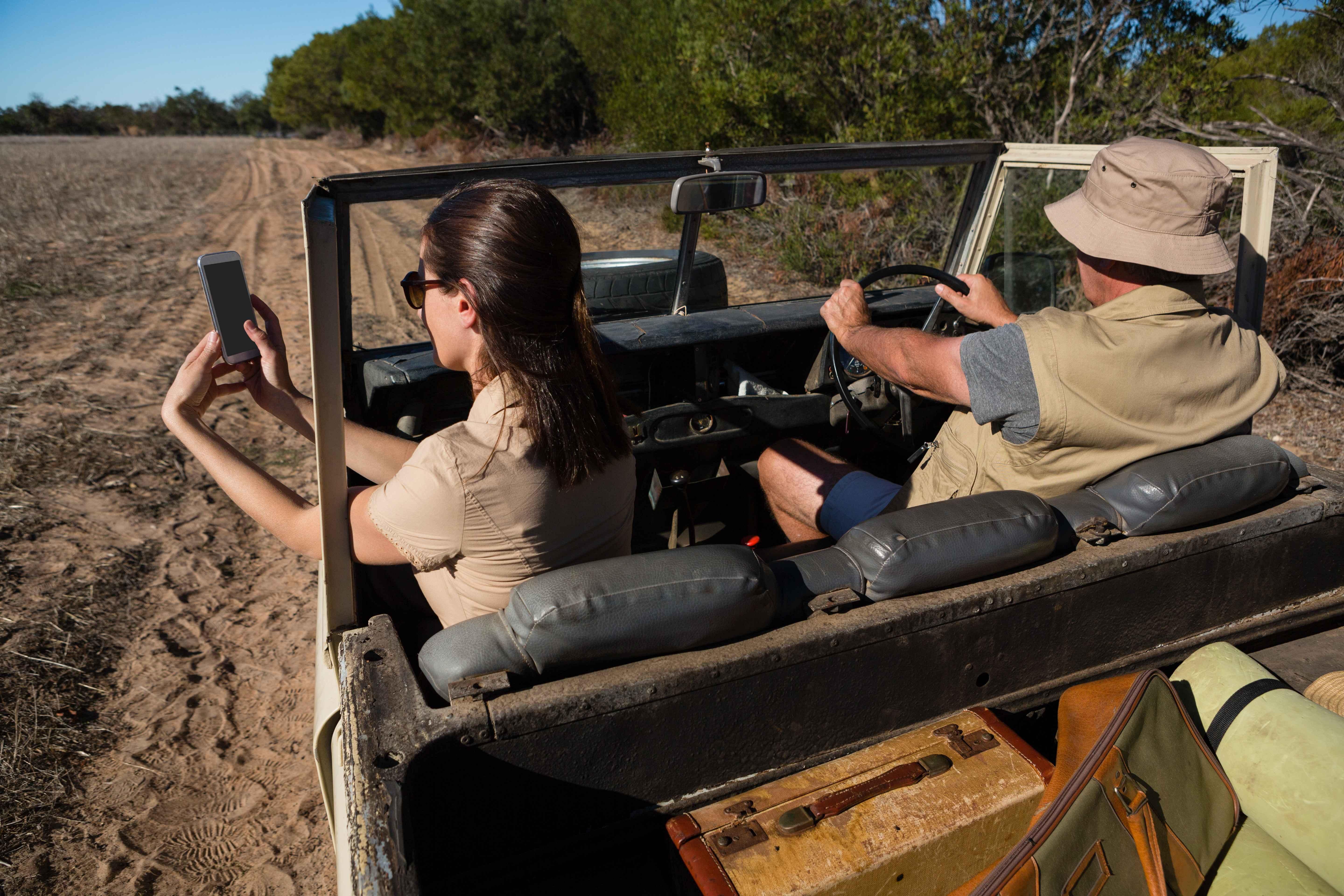
A safari is one of the most exciting ways to experience wildlife and nature, but it often involves spending several hours in a vehicle while exploring national parks and wildlife reserves. For first-time travelers, the idea of a long safari drive can sound tiring. However, with a little preparation and the right mindset, it can become one of the most enjoyable parts of the adventure. These safari comfort tips will help you stay relaxed, comfortable, and fully focused on the incredible wildlife experiences around you.
Whether you're searching for tigers in India, exploring African savannas, or visiting a wildlife sanctuary closer to home, comfort plays an important role in making your safari memorable.
Understand What to Expect
One of the best ways to stay comfortable during a safari is to understand what the experience involves.
Safari drives are not like regular road trips. The focus is on wildlife observation, which means vehicles may move slowly, stop frequently, or remain parked for extended periods while guides search for animals.
Road conditions can also vary. Many safari routes pass through natural terrain that includes dirt tracks, uneven surfaces, and forest roads.
Knowing this in advance helps travelers prepare mentally and physically for the experience.
When expectations are realistic, it's easier to enjoy the journey.
Dress for Comfort and Weather
Clothing can make a significant difference during long safari drives.
Choose lightweight, breathable fabrics that keep you comfortable throughout the day. Neutral colors such as beige, brown, olive green, and grey are generally recommended because they blend naturally with the environment.
Layering is also important.
Morning safari drives can be surprisingly cool, while midday temperatures may become quite warm. Bringing a light jacket or fleece allows you to adjust to changing conditions.
Comfortable clothing helps you focus on wildlife rather than temperature discomfort.
Stay Hydrated
Hydration is one of the simplest yet most overlooked aspects of safari travel.
Spending several hours outdoors, especially in warm climates, can lead to dehydration if you're not careful.
Always carry a reusable water bottle and drink regularly throughout the drive. Even if you don't feel thirsty, staying hydrated helps maintain energy levels and overall comfort.
Many experienced safari travelers consider water one of the most important items to bring.
A well-hydrated traveler is more likely to enjoy the experience from start to finish.
Choose the Right Seating Position
Whenever possible, select a seat that provides both comfort and good visibility.
Window seats often offer better opportunities for wildlife viewing and photography. However, different safari vehicles have different layouts, so flexibility may be necessary.
If you're traveling with a group, consider rotating seats between drives so everyone gets different viewing angles.
Good visibility helps reduce fatigue because you're actively engaged with the surroundings rather than straining to see wildlife.
This simple strategy is often included among experienced travelers' favorite safari comfort tips.
Bring Essential Accessories
A few small items can make a big difference during long drives.
Consider packing:
-
Sunglasses
-
Hat or cap
-
Sunscreen
-
Lip balm
-
Small travel pillow
-
Binoculars
-
Camera
-
Lightweight scarf or buff
These items add convenience and help protect against sun, dust, and changing weather conditions.
Being prepared allows you to focus on enjoying the safari rather than dealing with avoidable discomforts.
Take Advantage of Safari Breaks
Many safari routes include designated rest stops or short breaks where visitors can stretch and refresh themselves.
Use these opportunities wisely.
Standing up, walking briefly, and stretching your muscles can improve circulation and reduce stiffness from sitting for long periods.
Even a few minutes of movement can make a noticeable difference during extended game drives.
Don't underestimate the value of these short breaks.
They help maintain both physical comfort and mental alertness.
Protect Yourself From the Sun
Sun exposure can become uncomfortable during longer safaris.
Even on cooler days, spending several hours outdoors may result in sunburn or fatigue if proper precautions aren't taken.
A combination of sunscreen, sunglasses, and a hat provides effective protection.
Some travelers also prefer lightweight long-sleeved shirts for additional coverage.
Taking these simple precautions helps ensure that your safari remains enjoyable throughout the day.
Manage Your Expectations
Comfort isn't only physical—it can also be mental.
Many first-time safari visitors expect constant wildlife activity. In reality, nature operates on its own schedule.
There may be periods where animals are difficult to find or where the vehicle spends time searching specific areas.
Rather than becoming frustrated, view these moments as part of the adventure.
The anticipation often makes wildlife encounters even more exciting when they happen.
Patience contributes significantly to overall safari enjoyment.
Stay Present and Enjoy the Experience
One of the best ways to remain comfortable during a safari is to focus on the experience rather than the clock.
Pay attention to:
-
Bird calls
-
Animal tracks
-
Scenic landscapes
-
Changing light conditions
-
Interesting behaviors
Many visitors become so focused on spotting large animals that they overlook the smaller details that make a safari special.
The more engaged you are with your surroundings, the shorter the drive tends to feel.
Nature rewards curiosity.
Get Enough Rest Before the Drive
Safari days often begin very early.
A good night's sleep before your safari can make a major difference in how comfortable and alert you feel throughout the experience.
Avoid staying up too late the night before, and prepare your gear in advance so that your morning starts smoothly.
Being well-rested improves concentration, energy levels, and overall enjoyment.
This is one of the most effective yet often forgotten safari comfort tips.
Final Thoughts
Long safari drives are an essential part of wildlife adventures, offering opportunities to observe animals, explore natural habitats, and experience the beauty of the outdoors. While they can involve several hours on the road, proper preparation makes them far more enjoyable.
By dressing appropriately, staying hydrated, protecting yourself from the elements, and maintaining realistic expectations, you can stay comfortable and fully appreciate everything the safari has to offer.
These safari comfort tips are designed to help travelers focus less on discomfort and more on the unforgettable wildlife encounters that make safaris such rewarding experiences. With the right preparation, even the longest game drive can become one of the highlights of your journey.

 English
 Arabic
 French
 Spanish
 Portuguese
 Deutsch
 Dutch
Dutch
 Italiano
 Russian
 Romaian
 Portuguese (Brazil)
 Greek
Greek