


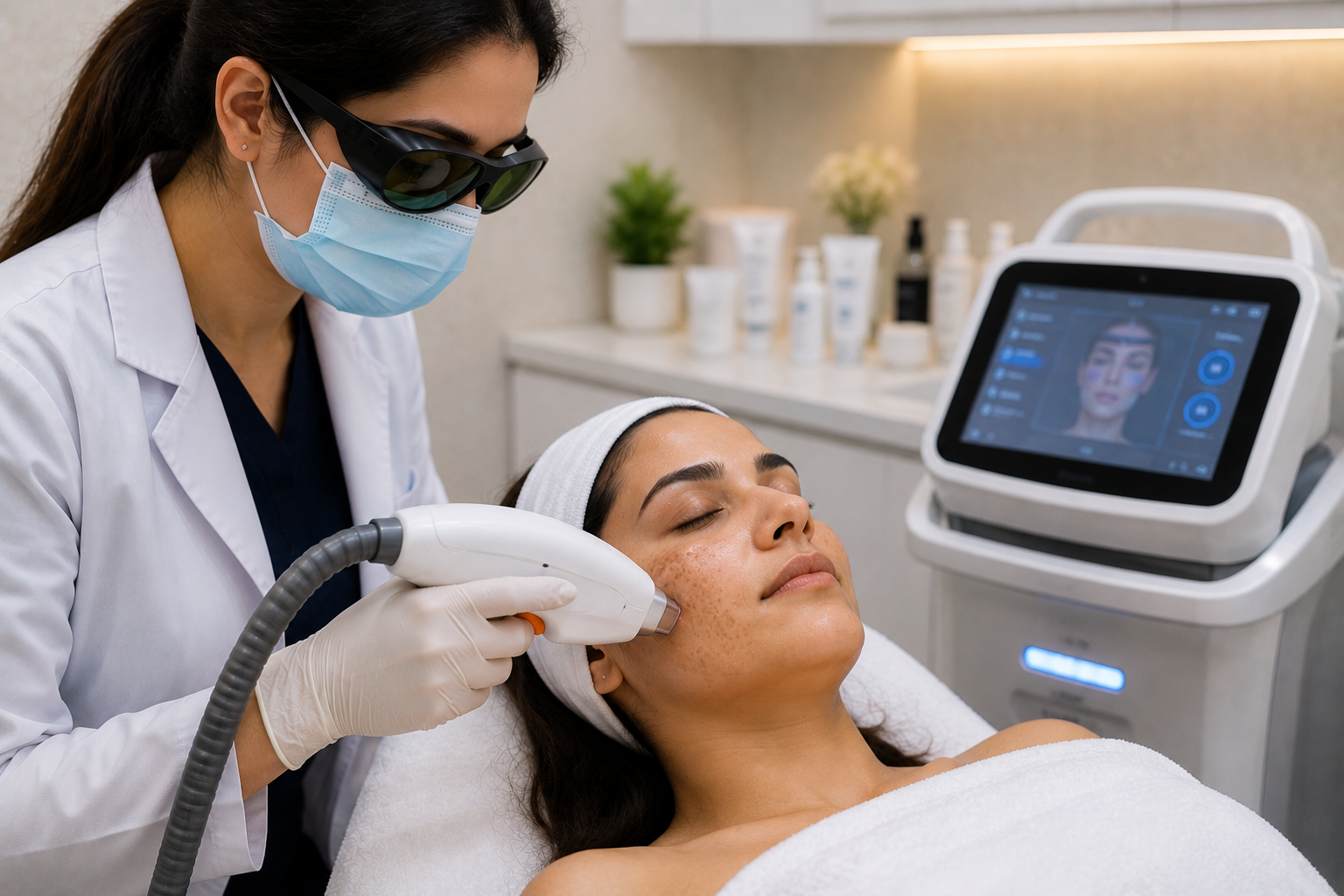
Uneven skin tone, dark spots, and patches of discoloration are common skin concerns that can affect people of all ages. These changes may occur due to sun exposure, hormonal changes, acne marks, aging, or other skin conditions. Fortunately, modern dermatology offers several safe and effective solutions to help restore a clearer, more even complexion.
Choosing the right treatment starts with understanding your skin type, identifying the cause of pigmentation, and consulting a qualified dermatologist. With the right guidance, you can achieve healthier and more radiant skin.
Understanding Skin Pigmentation
Pigmentation removal treatment is designed to reduce the appearance of dark spots, uneven skin tone, and discoloration while improving the overall texture and brightness of the skin. A dermatologist carefully evaluates your skin before recommending the most suitable treatment plan.
The right pigmentation removal treatment depends on several factors, including the type of pigmentation, skin sensitivity, lifestyle, and your long-term skincare goals. Personalized care often delivers the most effective and natural-looking results.
What Causes Skin Pigmentation?
Pigmentation can develop for different reasons, including:
-
Excess sun exposure
-
Hormonal changes
-
Acne marks
-
Aging
-
Skin inflammation
-
Genetic factors
-
Certain medications
Identifying the underlying cause helps your dermatologist recommend the most appropriate treatment.
Types of Pigmentation Removal Treatments
Depending on your skin condition, your dermatologist may recommend one or a combination of the following:
-
Chemical peels
-
Laser treatments
-
Medical-grade topical creams
-
Microneedling
-
Hydra Facial for skin rejuvenation
-
Customized skincare programs
Each option is selected based on your skin type and pigmentation pattern.
Factors to Consider Before Choosing a Treatment
Selecting the right treatment involves more than choosing a popular procedure.
Consider the following:
Skin Type
Every skin type responds differently to treatment. A professional skin assessment helps determine the safest and most effective option.
Type of Pigmentation
Pigmentation caused by acne may require a different approach than sunspots or melasma.
Severity of the Condition
Mild pigmentation may improve with topical treatments, while deeper pigmentation may require advanced procedures.
Recovery Time
Some treatments involve little to no downtime, while others may require a short recovery period.
Long-Term Skin Goals
Discuss your expectations with your dermatologist so they can recommend a treatment plan that aligns with your skincare goals.
Benefits of Professional Treatment
Choosing treatment under the guidance of a qualified dermatologist offers several advantages:
-
Personalized treatment plans
-
Improved skin tone
-
Brighter complexion
-
Smoother skin texture
-
Professional skin monitoring
-
Safe and effective procedures
-
Long-term skincare guidance
Professional care helps achieve natural and lasting improvements.
Preparing for Treatment
Before your appointment, you can prepare by:
-
Avoiding excessive sun exposure
-
Wearing sunscreen daily
-
Keeping your skin hydrated
-
Following your dermatologist's advice
-
Informing your doctor about previous skin treatments
-
Using only recommended skincare products
Good preparation helps support healthy skin before treatment begins.
Caring for Your Skin After Treatment
Proper aftercare plays an important role in maintaining results.
Helpful tips include:
-
Apply sunscreen every day.
-
Moisturize regularly.
-
Avoid harsh skincare products unless recommended.
-
Stay hydrated.
-
Follow your dermatologist's post-treatment instructions.
-
Attend follow-up appointments.
Consistent skincare helps maintain a brighter and healthier complexion.
Choosing the Right Dermatology Clinic
When selecting a skin clinic, look for:
-
Qualified dermatologists
-
Advanced skin treatment technology
-
Personalized consultations
-
Hygienic treatment facilities
-
Transparent communication
-
Comprehensive aftercare support
An experienced dermatologist can create a treatment plan that suits your skin's unique needs.
Conclusion
Choosing the right pigmentation treatment begins with a professional skin evaluation and a personalized approach. Understanding the cause of your pigmentation, selecting the appropriate procedure, and following a consistent skincare routine can help you achieve clearer, healthier, and more even-toned skin. With expert guidance and proper aftercare, long-term skin improvement is possible.
FAQs
1. What causes skin pigmentation?
Pigmentation can result from sun exposure, hormonal changes, acne marks, aging, inflammation, or genetic factors.
2. How do I know which treatment is right for me?
A dermatologist will examine your skin and recommend the most suitable treatment based on your skin type and the cause of pigmentation.
3. Are pigmentation treatments suitable for all skin types?
Many treatments can be customized for different skin types after a professional assessment.
4. How long does it take to see results?
The timeline varies depending on the type and severity of pigmentation, the treatment chosen, and your skin's response.
5. How can I maintain my results?
Use sunscreen daily, follow a consistent skincare routine, stay hydrated, and attend follow-up appointments as recommended by your dermatologist.

 English
 French
 Spanish
 Portuguese
 Deutsch
 Turkish
 Dutch
Dutch
 Italiano
 Russian
 Romaian
 Portuguese (Brazil)
 Greek
Greek