


Keeping a home organized is about much more than appearance. A well organized space improves daily routines, reduces stress, saves time, and helps every room function more efficiently. Whether you live in a small apartment or a large family home, the right organization methods make it easier to maintain cleanliness and find what you need without frustration.
If you've ever wondered how to organize your home efficiently without feeling overwhelmed, the answer lies in creating practical systems instead of chasing perfection. Modern home organization focuses on simplifying everyday life by reducing unnecessary clutter, optimizing storage, and building habits that are easy to maintain. Rather than relying on expensive storage products, successful organization starts with thoughtful planning and consistent routines.
Why Home Organization Matters
An organized home creates an environment where daily tasks become easier and less stressful. Studies in environmental psychology suggest that clutter can increase mental fatigue and make it more difficult to focus. In contrast, tidy and functional living spaces often contribute to improved productivity, better relaxation, and smoother household management.
Home organization also protects your investment. Properly stored belongings last longer, important documents remain accessible, and household maintenance becomes easier because potential issues are spotted sooner. When every item has a designated place, cleaning requires less effort and takes significantly less time.
Modern home organization is no longer about achieving magazine worthy perfection. Instead, it emphasizes creating systems that match your lifestyle, family size, available space, and daily habits.
Start with Decluttering Before Organizing
Many people purchase storage containers before removing unnecessary belongings, but this often creates additional clutter rather than solving the problem. The most effective way to organize your home begins with reducing the number of items you actually need to manage.
Work through one room at a time instead of attempting to organize the entire house in a single weekend. Separating belongings based on daily use, seasonal use, and sentimental value helps you make practical decisions without feeling overwhelmed. Keeping only useful and meaningful items allows your storage spaces to work far more effectively.
Small, consistent progress produces better long term results than occasional large organizing projects. Spending even fifteen minutes each day decluttering gradually transforms your home into a more manageable and comfortable space.
If you're also planning interior improvements alongside organization, you may find additional inspiration in how to upgrade my home decoradtech, where smart design choices complement efficient storage and functional living.
Create Functional Storage Systems
Use Every Space Intentionally
Effective home organization depends on assigning every item a permanent location. Cabinets, shelves, closets, drawers, and under bed storage should all serve specific purposes instead of becoming catch all spaces for miscellaneous belongings.
Vertical storage often provides significant advantages in smaller homes. Wall mounted shelves, stackable containers, and adjustable closet systems maximize available space without increasing floor clutter. Hidden storage inside furniture such as ottomans, benches, and beds can also improve functionality while maintaining a clean appearance.
The goal is not to hide clutter but to create storage solutions that remain practical during everyday use.
Organize by Frequency of Use
Items used every day should remain easily accessible, while seasonal decorations, holiday supplies, and rarely used equipment can be stored in higher shelves or less convenient locations.
This simple principle reduces unnecessary movement around the home and encourages family members to return items to their proper places. Kitchens, bathrooms, laundry rooms, and entryways benefit particularly from organizing based on daily routines because these areas experience the highest traffic.
Organizing Room by Room
Kitchen Organization
The kitchen functions most efficiently when cookware, utensils, and ingredients are stored near their primary use areas. Frequently used cooking tools should remain close to the stove, while food preparation supplies belong near the countertop workspace. Pantry items become easier to manage when grouped by category and stored in clearly labeled containers.
Regularly checking expiration dates and removing unused products prevents unnecessary accumulation while making meal preparation faster and less stressful.
Living Room Organization
The living room often serves multiple purposes, including entertainment, relaxation, work, and family gatherings. Storage furniture with concealed compartments helps reduce visible clutter while maintaining convenient access to frequently used items.
Books, electronics, remote controls, blankets, and children's toys should each have designated storage areas that are easy to access and simple to maintain after daily use.
Bedroom Organization
Bedrooms should promote rest rather than storage overflow. Keeping clothing organized by season and purpose simplifies dressing routines while reducing closet congestion. Under bed storage works well for off season clothing, extra bedding, or infrequently used items.
Nightstands remain more functional when limited to essentials such as lighting, reading materials, and personal items used before bedtime.
Bathroom Organization
Bathrooms often contain numerous small products that quickly create visual clutter. Grouping toiletries by purpose, discarding expired products, and using drawer organizers or shelf dividers keeps essential items accessible while maximizing limited storage space.
Towels, cleaning supplies, and personal care products should each occupy clearly defined storage areas to support efficient daily routines.
Build Daily Habits That Keep Your Home Organized
Even the best organization system fails without consistent maintenance. Fortunately, maintaining an organized home usually requires less effort than creating one initially.
Returning items immediately after use prevents clutter from accumulating throughout the day. Spending a few minutes each evening resetting common living areas makes mornings more efficient and reduces the need for lengthy weekend cleaning sessions.
Families often achieve better results when everyone understands where items belong and participates in maintaining shared spaces. Organization becomes significantly easier when storage systems remain simple enough for every household member to follow consistently.
Rather than waiting for clutter to become overwhelming, addressing small messes daily helps preserve long term organization with minimal effort.
Smart Technology Can Improve Home Organization
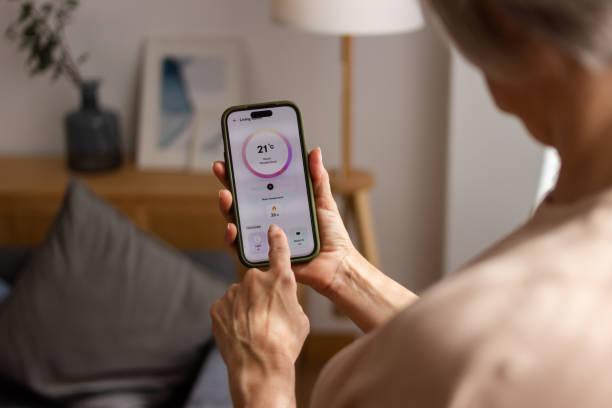
Technology increasingly supports home organization through practical tools rather than complicated automation. Digital calendars help coordinate household responsibilities, while inventory applications track pantry supplies, maintenance schedules, and storage locations.
Smart labels, reminder systems, and connected home devices can simplify recurring household tasks without replacing the importance of good organizational habits. Technology works best when supporting established routines instead of creating unnecessary complexity.
Combining digital organization with physical organization creates a more efficient household that saves time while reducing forgotten tasks and misplaced belongings.
Common Organization Mistakes to Avoid
Many homeowners unintentionally create more clutter by purchasing storage products before evaluating what actually needs to be stored. Containers cannot solve clutter if unnecessary items remain in the home.
Another common mistake involves organizing based solely on appearance rather than functionality. Beautiful storage systems quickly become ineffective if they are inconvenient during everyday use. Successful organization prioritizes practical access, consistent maintenance, and realistic expectations.
Attempting to organize an entire home in one day often leads to frustration and unfinished projects. Gradual progress, supported by sustainable habits, consistently produces better long term results.
Frequently Asked Questions
How do I organize my home efficiently without spending much money?
Most effective organization strategies require little or no investment. Decluttering, repurposing existing containers, rearranging furniture, and assigning permanent storage locations often deliver better results than purchasing expensive organizers.
What room should I organize first?
Start with the area that affects your daily routine the most. For many households, this is the kitchen, bedroom, or entryway because improvements in these spaces create immediate practical benefits.
How often should I declutter my home?
A brief monthly review helps prevent clutter from accumulating. Seasonal decluttering sessions provide an opportunity to remove unused belongings and adjust storage systems as household needs change.
Can home organization reduce stress?
Yes. Research consistently suggests that organized living spaces reduce visual distractions, simplify daily routines, and help people feel more in control of their environment.
What is the biggest secret to staying organized?
Consistency matters more than perfection. Returning items to their designated places every day and maintaining simple routines prevents clutter from becoming overwhelming.
Conclusion
Learning how to organize your home efficiently is less about buying storage products and more about creating practical systems that support everyday living. By reducing clutter, assigning every item a permanent place, and maintaining simple daily habits, you can transform your home into a cleaner, calmer, and more functional environment.
Modern home organization also aligns with today's AI first search landscape because it answers real user questions with practical, experience based guidance instead of focusing only on keywords. Whether your goal is maximizing small spaces, simplifying family routines, or improving household productivity, an organized home delivers lasting benefits that extend far beyond appearance.

 English
 Arabic
 French
 Spanish
 Portuguese
 Turkish
 Dutch
Dutch
 Italiano
 Russian
 Romaian
 Portuguese (Brazil)
 Greek
Greek