


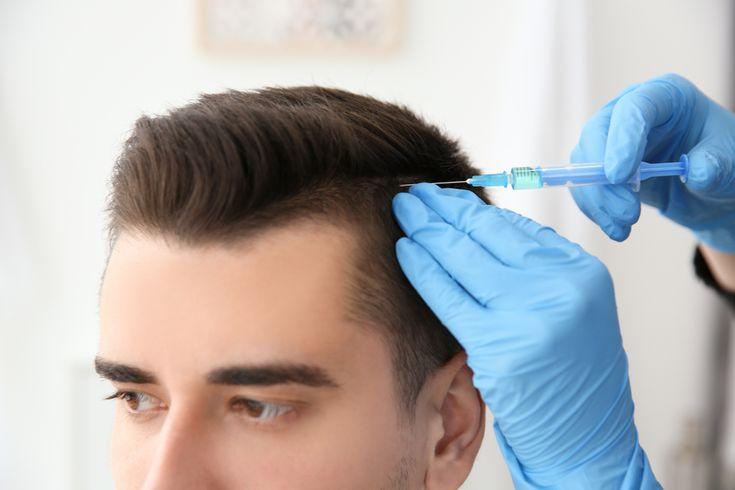
Platelet-rich plasma (PRP) therapy has gained attention as a regenerative treatment that uses the body’s own healing factors to support tissue repair, improve circulation, and encourage natural recovery. Many people exploring this procedure want to understand the complete journey — from preparation and consultation to the actual session and aftercare. For individuals considering PRP in Islamabad, knowing what happens at each stage can help reduce uncertainty and create realistic expectations about the treatment process.
Understanding How PRP Therapy Works
PRP therapy is a minimally invasive regenerative procedure that involves collecting a small sample of the patient’s blood, processing it to concentrate platelets, and then using the platelet-rich solution in targeted areas. Platelets contain growth factors that play an important role in healing and tissue regeneration.
During the treatment process, advanced centrifugation techniques are used to separate the plasma containing a higher concentration of platelets. These growth factors may support collagen production, improve blood supply, and stimulate the body’s natural repair mechanisms.
PRP is commonly explored for different aesthetic and wellness concerns, including skin rejuvenation, hair thinning, and certain regenerative applications. The treatment approach is customized according to individual needs, goals, and the condition being addressed.
What Happens Before a PRP Session
The first step before PRP therapy is an assessment to understand your concerns, medical background, lifestyle factors, and expectations. A proper evaluation helps determine whether PRP is an appropriate option and what type of results may be achievable.
Before the session, patients are usually advised to follow simple preparation guidelines. These may include maintaining good hydration, avoiding certain medications or supplements that can affect blood clotting if medically appropriate, and discussing any existing health conditions.
A detailed consultation is also an important opportunity to ask questions about the procedure, recovery period, possible side effects, and expected improvements. Understanding the treatment timeline helps patients feel more comfortable and prepared.
The PRP Treatment Process During Your Session
A typical PRP session begins with collecting a small blood sample. The sample is then placed in a centrifuge, where it is processed to separate the platelet-rich plasma from other blood components.
Once the PRP preparation is ready, the concentrated plasma is carefully applied or injected into the targeted area. The technique used depends on the treatment goal, such as improving skin texture, supporting hair growth, or enhancing tissue regeneration.
Most patients describe the procedure as manageable, with minimal discomfort. A numbing method may be used when needed to improve comfort during the session. The duration of treatment can vary depending on the area being treated, but many sessions are completed within a relatively short timeframe.
What to Expect Immediately After PRP Treatment
After a PRP session, patients can usually return to normal daily activities with limited interruption. Since PRP uses the patient’s own blood components, it is considered a natural treatment approach with a low risk of allergic reactions.
Some temporary effects may occur after treatment, including mild redness, swelling, tenderness, or sensitivity in the treated area. These effects generally improve within a short period as the body begins its natural healing response.
Following aftercare instructions is essential for supporting the best possible outcome. Patients are often advised to avoid excessive touching of the treated area, follow recommended skincare or haircare routines, and protect the treated area from unnecessary irritation.
The Recovery Timeline and When Results Appear
PRP results do not appear instantly because the treatment works by stimulating natural biological processes. The body needs time to respond to the growth factors and begin regeneration.
Some patients notice gradual improvements within a few weeks, while more visible changes may develop over several months depending on the treatment purpose and individual response. Results can vary based on age, lifestyle, overall health, and the condition being treated.
Maintaining healthy habits, including proper nutrition, hydration, stress management, and a suitable care routine, can contribute to better long-term outcomes.
Common Concerns People Have About PRP Therapy
Many first-time patients have questions about safety, discomfort, and effectiveness. One common concern is whether PRP treatment looks natural. Since the procedure uses the body’s own components, the goal is generally to support natural improvement rather than create an artificial appearance.
Another concern is whether PRP works the same for everyone. Individual results can differ because healing ability, genetics, existing conditions, and treatment goals all influence outcomes. A realistic understanding of what PRP can and cannot achieve is an important part of making an informed decision.
Choosing a qualified and experienced aesthetic facility also plays a major role in ensuring proper evaluation, sterile techniques, and personalized treatment planning. SKN Cosmetic focuses on providing aesthetic and regenerative treatment options with attention to patient safety and individualized care.
Why Proper Aftercare Matters for Long-Term Results
Aftercare is an important part of the PRP journey. While the procedure itself is relatively quick, the body’s regeneration process continues after the session. Following professional recommendations can help support healing and maintain improvements.
Patients should avoid activities that may interfere with recovery and should communicate any unusual symptoms with their healthcare provider. Regular follow-up appointments may also help track progress and determine whether additional sessions are recommended.
With growing interest in non-surgical regenerative treatments, Prp in Islamabad continues to attract people looking for modern approaches to improving hair, skin, and overall appearance. Understanding the complete process — including preparation, treatment steps, recovery expectations, and realistic outcomes — allows patients to approach PRP therapy with confidence and informed expectations.
Frequently Asked Questions About PRP Therapy
What is PRP treatment used for?
PRP therapy is used for various regenerative and aesthetic purposes, including supporting hair growth, improving skin quality, and encouraging natural tissue repair through concentrated platelet growth factors.
Is PRP treatment painful?
Most patients experience only mild discomfort during PRP therapy. A numbing approach may be used to make the procedure more comfortable, and any temporary sensitivity usually improves quickly.
How long does a PRP session take?
A PRP session duration depends on the treatment area and individual requirements. Many sessions can be completed within an hour, including preparation and processing time.
How soon can I see PRP results?
Results develop gradually because PRP stimulates natural healing processes. Some improvements may appear within weeks, while continued changes can occur over several months.
Is PRP safe for everyone?
PRP is generally considered suitable for many individuals because it uses their own blood components. However, a proper assessment is important to determine suitability based on health history and treatment goals.
How many PRP sessions are usually needed?
The number of sessions varies depending on the condition being treated, personal response, and desired results. A customized treatment plan is created after evaluation.

 English
 Arabic
 French
 Spanish
 Portuguese
 Deutsch
 Dutch
 Italiano
 Russian
 Romaian
 Portuguese (Brazil)
 Greek