


Diabetes is one of the fastest-growing chronic health conditions worldwide, affecting millions of people across all age groups. What makes diabetes particularly concerning is that it often develops silently, with many individuals experiencing no noticeable symptoms during its early stages. By the time clear signs appear, the disease may have already caused damage to vital organs such as the heart, kidneys, eyes, and nerves.
This is why early diabetes screening is so important. Detecting diabetes or prediabetes before complications develop allows individuals to make lifestyle changes, begin treatment if necessary, and significantly reduce their risk of serious health problems. In this article, we'll explore why early diabetes screening saves lives, who should get screened, and how regular testing supports long-term health.
What Is Diabetes?
Diabetes mellitus is a chronic condition that occurs when the body cannot properly regulate blood sugar (glucose) levels. Glucose is the body's primary source of energy, and insulin—a hormone produced by the pancreas—helps move glucose from the bloodstream into the body's cells.
When insulin production is insufficient or the body becomes resistant to insulin, blood sugar levels rise. Over time, persistently high blood sugar can damage blood vessels, nerves, and organs throughout the body.
The most common types of diabetes include:
-
Type 1 Diabetes: An autoimmune condition where the pancreas produces little or no insulin.
-
Type 2 Diabetes: The most common form, usually associated with insulin resistance and lifestyle factors.
-
Gestational Diabetes: Develops during pregnancy and increases the future risk of Type 2 diabetes.
Why Is Early Diabetes Screening Important?
Early diabetes screening helps identify abnormal blood sugar levels before serious complications occur. Many people live with diabetes or prediabetes for years without realizing it because symptoms can be mild or absent.
Identifying diabetes early allows healthcare providers to:
-
Begin treatment sooner.
-
Prevent or delay disease progression.
-
Reduce the risk of complications.
-
Educate patients about healthy lifestyle changes.
-
Monitor blood sugar effectively.
Early diagnosis often leads to better health outcomes and improved quality of life.
Diabetes Often Has No Early Symptoms
One of the biggest challenges with diabetes is that many individuals feel completely healthy during the early stages.
Even when symptoms develop, they may be subtle, including:
-
Increased thirst
-
Frequent urination
-
Constant hunger
-
Fatigue
-
Blurred vision
-
Slow wound healing
-
Frequent infections
-
Unexplained weight loss
Because these symptoms may appear gradually, many people ignore them or attribute them to stress or aging. Routine screening helps detect diabetes before symptoms become severe.
Early Detection Helps Prevent Serious Complications
Persistently high blood sugar can damage nearly every organ system in the body.
Without early diagnosis and proper management, diabetes may lead to:
Heart Disease
People with diabetes have a significantly higher risk of heart attacks, strokes, and high blood pressure. Managing blood sugar early helps protect cardiovascular health.
Kidney Disease
High blood sugar damages the kidneys' delicate filtering system over time. Early treatment can slow or prevent diabetic kidney disease.
Vision Loss
Diabetes is one of the leading causes of preventable blindness. Regular screening and blood sugar control reduce the risk of diabetic retinopathy.
Nerve Damage
Diabetic neuropathy may cause numbness, tingling, pain, or weakness, especially in the feet and hands. Early intervention lowers the likelihood of permanent nerve damage.
Foot Problems
Reduced circulation and nerve damage increase the risk of foot ulcers and infections, which may become serious if untreated.
Detecting diabetes before these complications develop can dramatically improve long-term health.
Prediabetes Can Often Be Reversed
One of the greatest advantages of early screening is identifying prediabetes, a condition where blood sugar levels are higher than normal but not yet high enough for a diabetes diagnosis.
Many individuals with prediabetes can return their blood sugar to normal through:
-
Healthy eating
-
Regular exercise
-
Weight management
-
Stress reduction
-
Improved sleep habits
Without screening, prediabetes often goes unnoticed until it progresses to Type 2 diabetes.
Who Should Get Screened for Diabetes?
While anyone can develop diabetes, some people have a higher risk than others.
Healthcare providers often recommend screening for individuals who:
-
Are overweight or obese
-
Are 35 years or older
-
Have a family history of diabetes
-
Have high blood pressure
-
Have high cholesterol
-
Have a sedentary lifestyle
-
Have polycystic ovary syndrome (PCOS)
-
Have a history of gestational diabetes
-
Have cardiovascular disease
People with multiple risk factors may require more frequent testing.
Common Tests Used for Diabetes Screening
Several reliable laboratory tests help diagnose diabetes and monitor blood sugar levels.
Fasting Blood Sugar (FBS)
This test measures blood glucose after fasting for at least 8 hours. It is commonly used for routine diabetes screening.
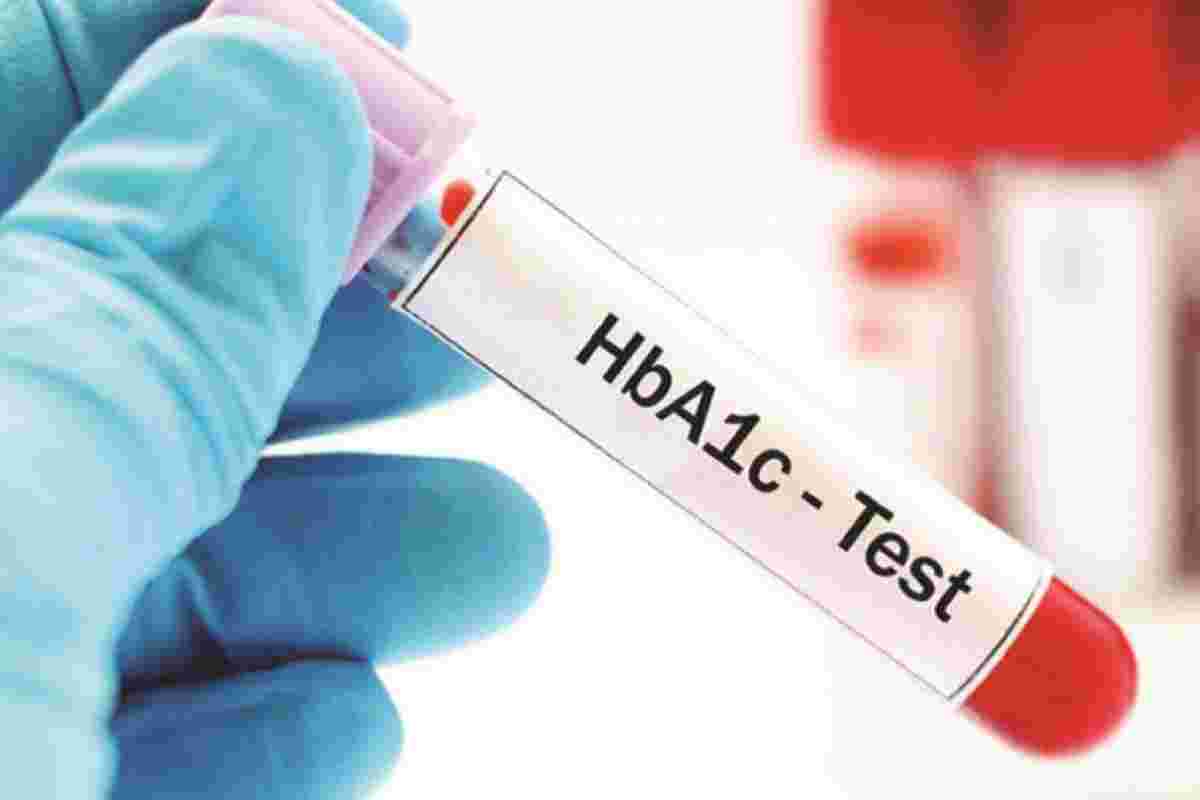
HbA1c Test
The HbA1c test measures average blood sugar levels over the previous two to three months. It provides a broader picture of long-term blood glucose control and is widely used for both diagnosis and monitoring.
Random Blood Sugar Test
This test measures blood glucose at any time of the day, regardless of meals. It may be used when symptoms strongly suggest diabetes.
Oral Glucose Tolerance Test (OGTT)
The OGTT measures how the body processes glucose after consuming a sugary drink. It is commonly used during pregnancy to diagnose gestational diabetes.
Your healthcare provider will determine the most appropriate test based on your medical history and risk factors.
Lifestyle Changes After Early Detection
Early diagnosis creates an opportunity to improve health before complications occur.
Recommended lifestyle changes often include:
-
Eating more fruits, vegetables, whole grains, and lean proteins.
-
Reducing sugary beverages and processed foods.
-
Exercising for at least 150 minutes per week.
-
Maintaining a healthy body weight.
-
Quitting smoking.
-
Limiting alcohol consumption.
-
Managing stress effectively.
-
Following prescribed medications when necessary.
Small, consistent lifestyle improvements often produce significant long-term benefits.
Why Regular Screening Matters Even After Normal Results
A normal diabetes screening result does not guarantee lifelong protection.
Risk factors change over time due to:
-
Aging
-
Weight gain
-
Reduced physical activity
-
Pregnancy
-
Family history
-
Medical conditions
Individuals at increased risk should continue periodic diabetes screening according to their healthcare provider's recommendations.
Routine monitoring allows healthcare providers to detect changes before complications arise.
Diabetes Prevention Starts with Awareness
Many cases of Type 2 diabetes are preventable through healthy lifestyle habits and early identification of risk factors.
Public awareness, regular medical checkups, and timely laboratory testing empower individuals to take control of their health. The earlier abnormal blood sugar is detected, the greater the opportunity to prevent long-term complications and maintain a healthy, active life.
Book Your Diabetes Screening with Instacare.pk
Routine diabetes screening is one of the most effective ways to detect abnormal blood sugar levels before complications develop. Instacare.pk makes preventive healthcare more accessible by helping individuals find trusted diagnostic laboratories across Pakistan where they can book tests such as Fasting Blood Sugar (FBS), HbA1c, Random Blood Sugar, and other diabetes-related investigations. Patients can compare laboratory services, schedule appointments online, and receive reliable diagnostic support, making diabetes screening convenient and stress-free.
Conclusion
Diabetes is a serious but manageable condition when detected early. Unfortunately, many people remain unaware they have diabetes or prediabetes until complications begin affecting their heart, kidneys, eyes, nerves, or blood vessels. Early diabetes screening saves lives by identifying elevated blood sugar before irreversible damage occurs, allowing timely treatment and healthier lifestyle choices.
Regular screening, especially for individuals with risk factors, is an essential part of preventive healthcare. Combined with balanced nutrition, regular physical activity, weight management, and routine medical follow-up, early detection can significantly reduce the burden of diabetes and improve long-term quality of life. With Instacare.pk, booking trusted diabetes screening tests is simple, helping you take proactive steps toward protecting your health and preventing future complications.

 English
 Arabic
 French
 Spanish
 Portuguese
 Deutsch
 Turkish
 Dutch
Dutch
 Italiano
 Russian
 Romaian
 Portuguese (Brazil)