


You moisturize every day.
You switch formulas.
You stick to the routine.
And still, something feels off.
Inflammation shows up without warning. Dry patches refuse to heal. That healthy glow never quite settles in. At some point, it starts to feel personal. But here is the twist. It is not your skin failing you. It is the way moisturizer is being used.
Moisturizing every day should bring comfort, not confusion. Yet breakouts, dryness, and dullness keep returning. The issue is rarely the moisturizer itself. It is how it is used.
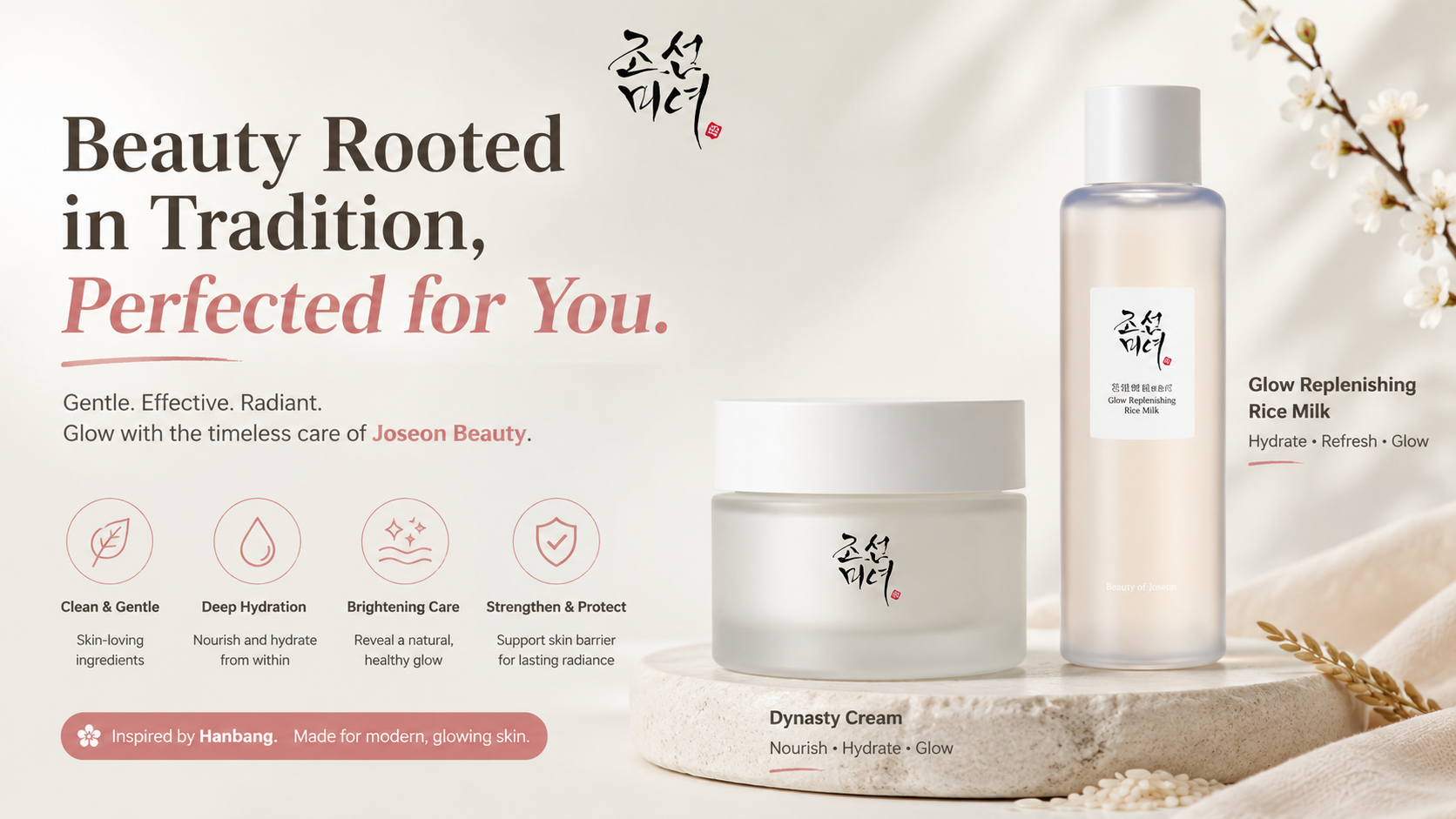
This is where the Beauty of Joseon approach stands out. It treats moisturizer as a barrier-support step, not a surface fix. When the skin barrier weakens, water loss and sensitivity increase, making skin harder to balance over time (National Institutes of Health).
This is where things get interesting. Once you understand how moisturizer interacts with your skin, not only which one you use, but everything starts to make sense. Let’s break it down and fix what is holding your skin back.
Why Moisturizer Matters More Than Most People Realize
Moisturizer is not just about softness. It helps the skin hold water, stay resilient, and protect itself from daily stress. When used correctly, it supports balance. When used poorly, it can clog, irritate, or weaken the barrier.
Hydration Is Not the Same as Moisture
Hydration means water. Moisture means sealing that water in. Drinking water hydrates. Moisturizer prevents loss. Confusing the two leads to products that feel nice but do little long-term.
Mistake #1: Using the Wrong Moisturizer for Your Skin Type
This is the most common and most damaging mistake.
Oily Skin Overcompensating with Heavy Creams
Heavy creams can trap oil and sweat, leading to congestion. Oily skin still needs moisture, just lighter textures that absorb well.
Dry Skin Relying on Lightweight Gels
Gels hydrate briefly but evaporate quickly. Dry skin needs formulas that seal moisture, not just add water.
Mistake #2: Applying Moisturizer on Completely Dry Skin
Moisturizer works best when the skin is slightly damp. Applying it to dry skin limits absorption and reduces effectiveness.
Why Timing Matters More Than Quantity
A small amount at the right time outperforms a thick layer applied too late.
Mistake #3: Skipping Moisturizer Because of Acne
Many people stop moisturizing during breakouts. This backfires.
Dehydrated Skin Produces More Oil
When skin lacks water, it compensates with oil. This worsens acne instead of calming it.
Mistake #4: Over-Moisturizing and Smothering the Skin
Sometimes, more is not better.
When More Product Makes Skin Lazy
Excess layers can clog pores, dull texture, and slow natural balance.
Mistake #5: Ignoring Climate and Lifestyle
Skin reacts to the environment more than most routines consider.
Summer vs Winter Needs
Humidity and heat change oil production. Cold air increases water loss.
Indoor Living Effects
Air conditioning and heating dry skin all day.
Mistake #6: Expecting Moisturizer to Fix Everything
Moisturizer supports skin. It does not replace cleansing, sun protection, or gentle treatment.
Moisturizer Is Support, Not a Miracle
Healthy skin comes from consistent, balanced care.
How Thoughtful Skincare Platforms Approach Moisturizing
A well-designed skincare platform focuses on education, not pressure. They help users understand skin type, environment, and routine pairing so moisturizers work with skin, not against it.
How to Fix These Mistakes Without Overhauling Your Routine
Small changes matter.
-
Match texture to skin type
-
Apply to damp skin
-
Adjust with seasons
-
Use the right amount
-
Stay consistent, not excessive
In a Nutshell
The Beauty of Joseon philosophy reminds us that moisturizer is meant to work quietly in the background. It is not about chasing new products or fixing everything overnight. Real improvement comes from balance and patience.
When moisturizer becomes a steady part of daily care instead of a quick solution, skin slowly calms down, feels stronger, and starts to recover on its own. That gentle shift is where healthy skin actually begins.
Skin does not respond well to constant switching or panic changes. It responds to consistency and understanding. Small, thoughtful choices repeated daily create more change than any quick upgrade.
Once moisturizer is treated as a support system rather than a rescue button, skin stops reacting to every little trigger. It starts recovering. That shift is cunning, but it is exactly where lasting improvement begins.
Frequently Asked Questions
Can moisturizer damage your skin barrier?
Yes, if the wrong formula or excessive use disrupts balance.
Should oily skin users use moisturizer daily?
Yes, skipping it often increases oil production.
When is the best time to apply moisturizer?
Right after cleansing, on slightly damp skin.
Can moisturizer cause breakouts?
Wrong textures or overuse can clog pores.
Do you need different moisturizers for different seasons?
Yes, climate changes skin needs.

 English
 Arabic
 French
 Spanish
 Portuguese
 Turkish
 Dutch
Dutch
 Italiano
 Russian
 Romaian
 Portuguese (Brazil)
 Greek
Greek