


Why a Missing Tooth Matters
A gap in the smile can affect more than appearance. Depending on its location, it may change chewing, speech, bite balance, and the way neighbouring teeth meet. Over time, surrounding teeth can shift into the open space, making the situation more complicated to restore.
A porcelain teeth bridge is one option for replacing a missing tooth or teeth when adjacent teeth can support the restoration. It is custom designed to blend with the smile while helping re-establish the shape and function of the dental arch.
How a Bridge Is Designed
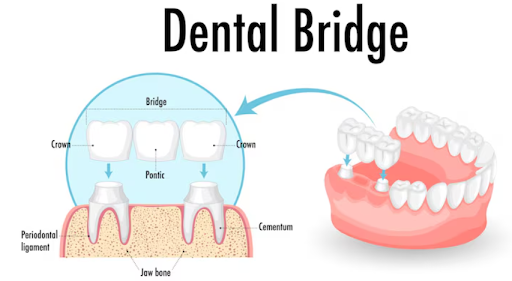
A traditional bridge generally uses crowns on the teeth beside the gap, with an artificial tooth suspended between them. The dentist evaluates the health and strength of the supporting teeth, the bite, gum condition, and the amount of space available before recommending this approach.
Planning a porcelain teeth bridge begins with a detailed examination and may include digital scans, photographs, and shade selection. These records help the dental team design a restoration that fits comfortably, supports chewing, and looks appropriate beside natural teeth. Temporary protection may be used while the final bridge is made.
When a Bridge May Be Considered
A bridge can be suitable for someone who wants a fixed solution without surgery, especially where neighbouring teeth already need crowns or have large restorations. It may also be considered when an implant is not preferred or is not clinically appropriate. The best choice depends on oral health, bone support, budget, timeline, and personal priorities.
A porcelain teeth bridge is not automatically the right solution for every gap. If supporting teeth are weak, gums are unstable, or the bite places excessive force on the area, another treatment plan may be safer. A consultation should explain the alternatives, including implants and removable options, without pressure.
Questions to Discuss at the Visit
-
Which teeth would support the bridge and are they healthy enough?
-
How will the bridge affect chewing and bite forces?
-
What alternatives are appropriate in this specific case?
-
What are the expected maintenance needs and future risks?
-
How will shade, shape, and fit be checked before final placement?
Care Makes a Difference
A bridge needs careful daily cleaning because plaque can gather around the gumline and beneath the replacement tooth. A dentist or hygienist can show techniques such as floss threaders, interdental brushes, or water flossers, depending on the bridge design. Regular examinations help identify problems early.
Avoiding habits that place extreme force on teeth, such as chewing ice or using teeth to open packaging, can also help protect the restoration. If a bridge feels loose, chips, causes pain, or changes the bite, it should be reviewed rather than adjusted at home.
A Decision Based on the Whole Smile
Restoring a gap is not only about filling visible space. The treatment should work with the gums, bite, neighbouring teeth, and long-term oral-health goals. A clear discussion of benefits and trade-offs gives patients the information needed to decide confidently.
Smile Savvy Cosmetic Dentistry offers restorative and cosmetic options in Charlotte, including bridges, implants, veneers, and smile-focused treatment planning. A thorough assessment can clarify whether a porcelain teeth bridge fits the condition of the supporting teeth and the person’s expectations for appearance, function, and maintenance.
The Next Step
A dental bridge can provide a fixed way to replace a missing tooth while supporting the appearance and function of the smile. The right choice depends on careful assessment of the bite, gums, supporting teeth, and goals. Discussing all suitable options with a dentist allows treatment to be selected for long-term oral health, not simply speed.

 Arabic
 French
 Spanish
 Portuguese
 Deutsch
 Turkish
 Dutch
Dutch
 Italiano
 Russian
 Romaian
 Portuguese (Brazil)
 Greek
Greek