


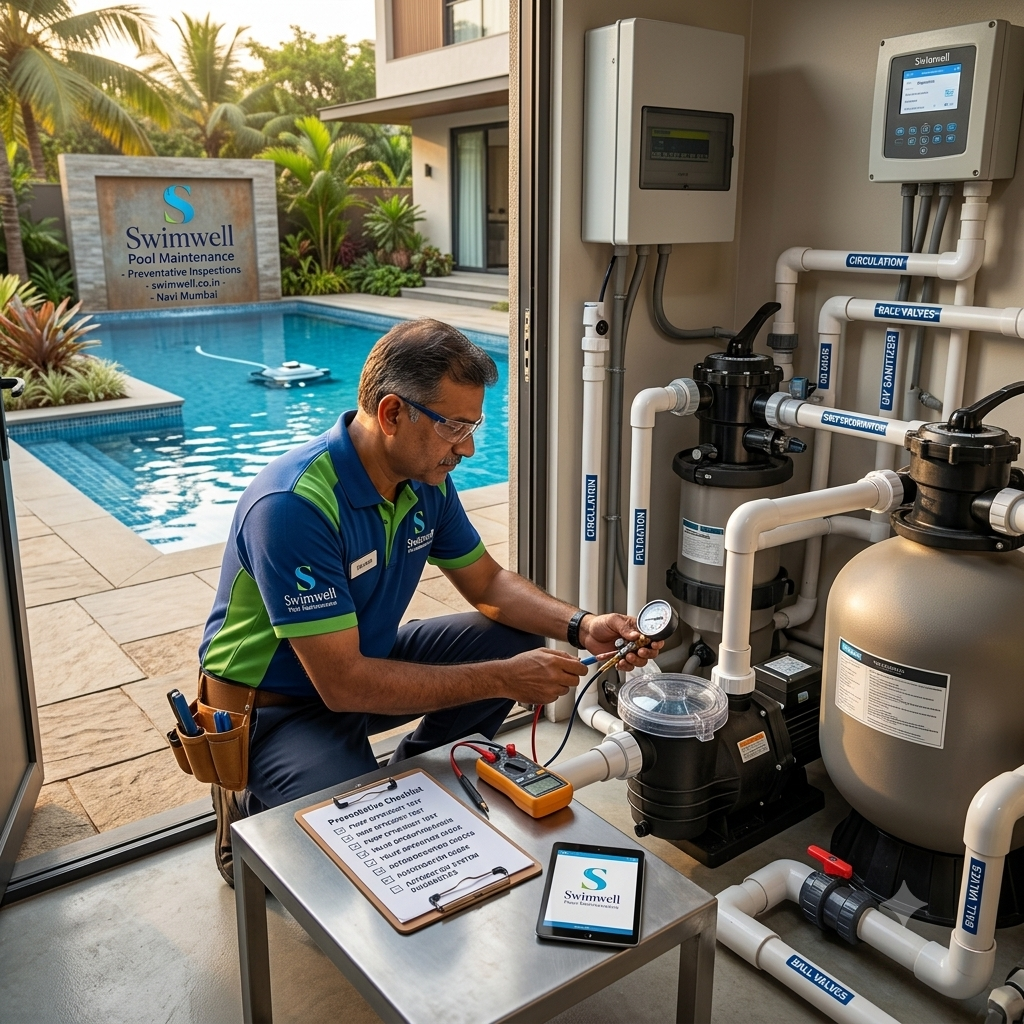
INTRODUCTION
A Swimming Pool Maintenance Company can help reduce unexpected repairs by providing regular inspections, cleaning, equipment checks, water testing, and preventive maintenance. Like any complex system, a swimming pool contains multiple components that need consistent care to perform properly. Pumps, filters, plumbing, skimmers, drains, water treatment systems, lighting, and pool surfaces can all develop problems if they are neglected for long periods.
Regular maintenance does not guarantee that every future problem can be prevented. However, it can help identify minor issues before they develop into more significant problems. Early detection allows property owners to address concerns at an appropriate stage, potentially reducing disruption and helping maintain the pool's overall performance.
Why Is Preventive Pool Maintenance Important?
Swimming pools operate through several interconnected systems. When one component begins to perform poorly, it can affect other parts of the pool.
Preventive maintenance helps monitor:
- Water quality
- Pumps
- Filters
- Skimmers
- Drains
- Plumbing
- Pool surfaces
- Water treatment systems
- Electrical components
Regular attention helps maintain these systems and provides an opportunity to identify unusual conditions early.
Identifying Small Problems Early
One of the biggest advantages of routine maintenance is early problem detection.
During regular visits, professionals may notice:
- Minor leaks
- Unusual equipment sounds
- Reduced water flow
- Cracks
- Loose fittings
- Damaged surfaces
- Filter pressure changes
Addressing these issues early may help prevent them from developing into more extensive problems.
Regular Pump Inspection
The pool pump is essential for water circulation and filtration. If the pump is not operating correctly, water quality and circulation may be affected.
Maintenance professionals may check for:
- Unusual noises
- Vibrations
- Reduced performance
- Leaks
- Blockages
- Seal issues
Identifying unusual pump behavior early can help prevent further equipment complications.
Maintaining Pool Filters
Filters remove debris and contaminants from circulating pool water. Over time, filters can become dirty or obstructed.
Regular maintenance may include:
- Filter inspection
- Cleaning
- Backwashing where applicable
- Pressure monitoring
- Component checks
A properly maintained filter can support effective circulation and reduce unnecessary strain on other equipment.
Checking Pool Plumbing
Pool plumbing connects various components, including pumps, filters, skimmers, drains, and return lines.
Routine inspections can help identify potential problems such as:
- Leaks
- Loose connections
- Blockages
- Reduced water flow
- Visible pipe damage
Early detection of plumbing issues may help prevent water loss and damage to surrounding areas.
Monitoring Water Levels
Unexpected changes in water level can provide useful information about a pool's condition.
Water loss may result from:
- Evaporation
- Splashing
- Cleaning
- Backwashing
- Water features
- Potential leaks
If water levels decline faster than expected, a professional may investigate the cause. Identifying a potential leak early can help prevent further complications.
Preventing Water Chemistry Problems
Maintaining balanced pool water is essential for protecting both swimmers and pool components.
Improper water chemistry can potentially contribute to:
- Surface deterioration
- Equipment corrosion
- Scaling
- Cloudy water
- Irritation
Regular water testing allows maintenance professionals to monitor important water parameters and make appropriate adjustments.
Protecting Pool Surfaces
Pool surfaces can gradually develop signs of wear due to environmental exposure, water chemistry, and regular use.
Maintenance professionals may look for:
- Cracks
- Chipped tiles
- Loose tiles
- Discoloration
- Surface deterioration
Early identification allows property owners to consider suitable corrective action before minor surface concerns become more extensive.
Inspecting Skimmers and Drains
Skimmers and drains are important parts of the pool circulation system. Blockages or damage can affect water movement.
Regular maintenance may include checking:
- Skimmer baskets
- Drain covers
- Visible debris
- Water flow
- Signs of damage
Keeping these components in good condition supports efficient circulation and filtration.
Checking Pool Equipment
A comprehensive maintenance program may include visual checks of essential equipment.
Professionals may inspect:
- Pumps
- Filters
- Heaters
- Chemical dosing equipment
- Automation systems
- Valves
- Plumbing connections
These inspections can help identify unusual conditions before they cause equipment failure.
Monitoring Water Circulation
Proper water circulation is essential for maintaining water quality.
Poor circulation can result from:
- Blocked pipes
- Pump problems
- Dirty filters
- Incorrect water levels
- Skimmer issues
Routine maintenance helps professionals monitor circulation and investigate changes in normal water movement.
Reducing the Risk of Equipment Failure
Pool equipment often shows warning signs before a complete failure occurs.
Examples include:
- Unusual sounds
- Increased vibration
- Reduced water flow
- Frequent cycling
- Pressure changes
- Water leaks
A professional maintenance team can monitor these signs and recommend appropriate action when necessary.
Preventing Plumbing-Related Problems
Plumbing issues can sometimes remain hidden until they become more noticeable. Regular maintenance can help identify signs such as unexplained water loss or changes in circulation.
Early investigation may help determine whether the problem involves:
- Plumbing connections
- Pool fittings
- Underground pipes
- Equipment lines
- Return lines
Prompt attention can help reduce the risk of larger water-related complications.
Seasonal Maintenance
Swimming pool maintenance requirements can change throughout the year.
Different seasons may bring:
- Increased evaporation
- Heavy rainfall
- Falling leaves
- Higher pool usage
- Temperature changes
Seasonal inspections allow professionals to adjust maintenance activities according to changing conditions.
Preparing Pools for Heavy Usage
Pools used frequently may experience greater wear on equipment and surfaces.
Residential pools with frequent family use and commercial pools in hotels, resorts, and fitness facilities may require more regular attention.
Maintenance can focus on:
- Water quality
- Filtration
- Circulation
- Equipment performance
- Surface condition
A customized maintenance schedule can help support consistent operation.
Maintaining Commercial Swimming Pools
Commercial swimming pools often have higher usage levels and more demanding operational requirements.
Regular maintenance can help monitor:
- High-use equipment
- Water treatment
- Filtration
- Circulation
- Safety-related components
Consistent inspections are particularly important for facilities that need their pools to remain operational and presentable.
Why Maintenance Records Matter
Keeping maintenance records can help track the condition of the pool over time.
Records may include:
- Water testing results
- Equipment inspections
- Cleaning schedules
- Repairs
- Filter maintenance
- Observed issues
This information can help identify recurring problems and support better long-term maintenance planning.
Customized Maintenance Plans
Not every swimming pool requires exactly the same maintenance routine.
A maintenance plan may be customized according to:
- Pool size
- Pool type
- Usage frequency
- Location
- Climate
- Water features
- Equipment
- Surrounding environment
Customized maintenance helps focus attention on the components most relevant to each pool.
Maintenance and Pool Renovation
Regular maintenance can also help property owners recognize when a pool requires renovation rather than simple repairs.
Signs may include:
- Persistent surface deterioration
- Repeated equipment problems
- Outdated plumbing
- Inefficient circulation
- Damaged finishes
Identifying these trends early can help owners plan future improvements more effectively.
How Professional Maintenance Can Reduce Unexpected Repairs
Professional maintenance focuses on prevention rather than simply responding to problems after they occur.
A maintenance team can establish a consistent routine that includes:
- Inspecting equipment
- Checking water chemistry
- Cleaning the pool
- Monitoring water levels
- Checking circulation
- Inspecting skimmers and drains
- Identifying unusual changes
- Recommending corrective action
This systematic approach can help property owners stay aware of their pool's condition.
Benefits of Regular Pool Maintenance
Consistent maintenance can provide several benefits, including:
- Early detection of problems
- Better water quality
- Improved equipment performance
- Reduced risk of unexpected breakdowns
- Longer-lasting pool components
- Better circulation
- Improved cleanliness
- More predictable maintenance planning
Although regular maintenance cannot eliminate every potential problem, it can significantly improve awareness of the pool's condition.
Conclusion
A regular Swimming Pool Maintenance Company can help reduce unexpected repairs by identifying minor problems before they become more complicated. Routine inspections, water testing, equipment checks, cleaning, plumbing monitoring, and preventive care can support the long-term performance of pumps, filters, circulation systems, skimmers, drains, and pool surfaces. Regular maintenance also helps property owners recognize changing conditions and respond to potential issues in a timely manner. For dependable and customized pool care, Swimwell Pools provides professional maintenance solutions designed around individual pool requirements, while experienced swimming pool companies can help property owners protect their pool systems through structured preventive maintenance and regular inspections.
Frequently Asked Questions (FAQs)
1. Can a Swimming Pool Maintenance Company reduce unexpected repairs?
Yes. Regular inspections and preventive maintenance can help identify minor problems early, potentially reducing the risk of more extensive equipment or structural issues.
2. What does preventive pool maintenance include?
Preventive maintenance may include cleaning, water testing, equipment inspections, filter care, water level monitoring, circulation checks, and inspection of skimmers, drains, and plumbing.
3. Can regular maintenance help extend pool equipment life?
Regular cleaning, inspection, and proper operation can help reduce unnecessary stress on pool equipment and support its long-term performance.
4. Can maintenance detect pool leaks?
Routine monitoring of water levels and equipment can help identify signs of unusual water loss. Further professional inspection may be required to determine the exact source of a potential leak.
5. Is professional pool maintenance necessary for commercial pools?
Professional maintenance can be particularly beneficial for commercial pools because frequent use requires consistent monitoring of water quality, circulation, filtration, and equipment performance.
Read Our Previous Blog------>Does a Swimming Pool Cleaning & Maintenance Service check pool skimmers and drains?

 English
 Arabic
 French
 Portuguese
 Deutsch
 Turkish
 Dutch
 Italiano
 Russian
 Romaian
 Portuguese (Brazil)
 Greek