


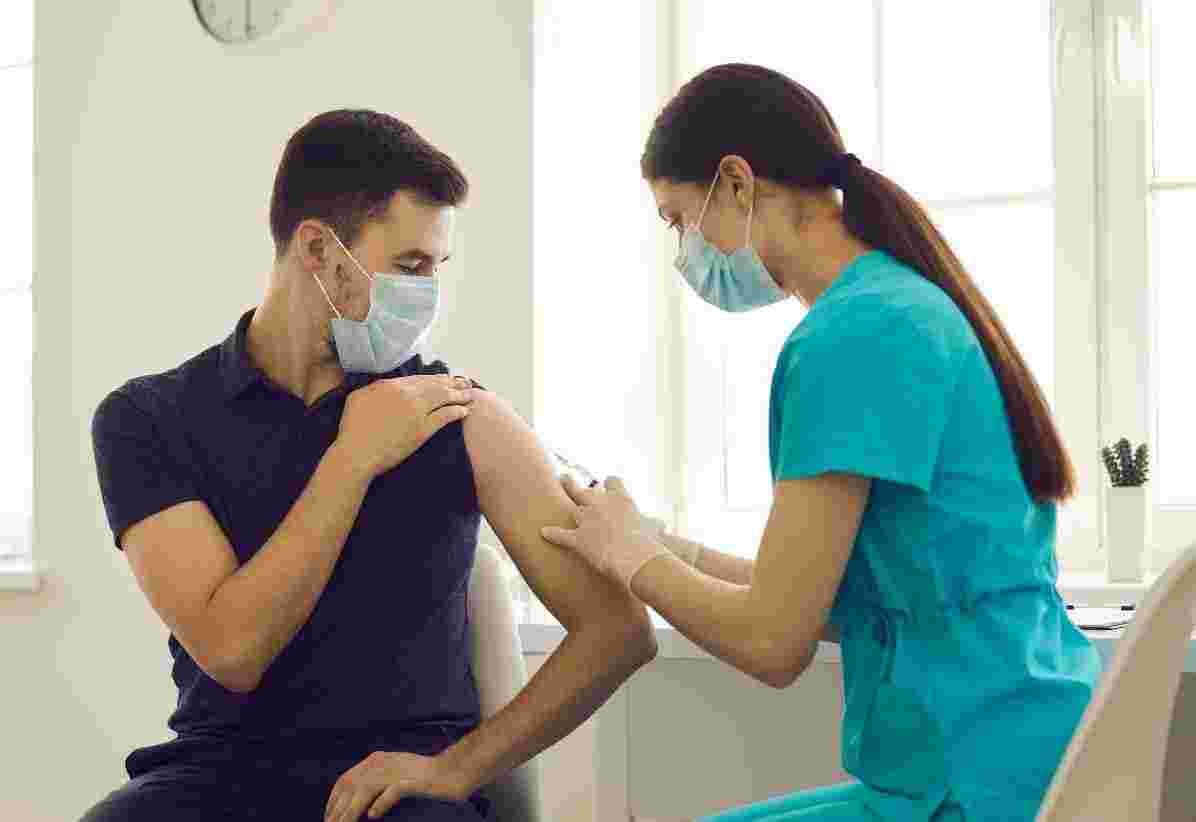
Preventive healthcare focuses on taking timely steps to protect health before illnesses become serious, and vaccination is one of its most important components. Vaccination at Home in Dubai provides a convenient way for eligible individuals and families to receive selected immunizations without the need to travel to a healthcare facility. With assistance from a qualified Doctor at Home, patients can receive appropriate professional evaluation and vaccination services within a familiar environment. This approach can make preventive care easier to manage for busy families, elderly individuals, children, working professionals, and people who experience challenges with mobility or transportation.
Understanding the Importance of Preventive Care:
Preventive care involves regular actions designed to reduce health risks and identify potential concerns at an appropriate stage. Vaccination supports this approach by helping the immune system develop protection against specific vaccine-preventable diseases. Immunization needs can vary according to age, previous vaccination history, health circumstances, occupation, travel requirements, and recommendations from healthcare professionals. Children often require several vaccinations during their early years, while adults may also need specific immunizations at different stages of life. Staying aware of recommended vaccination schedules can help individuals take a proactive approach to their health rather than waiting until illness occurs.
Making Vaccination More Accessible:
Accessibility can strongly influence whether people maintain their preventive healthcare routines. Traveling to a clinic may be difficult for individuals with demanding schedules, mobility limitations, childcare responsibilities, or transportation challenges. Home-based vaccination reduces some of these barriers by bringing selected vaccination services directly to the patient's residence. This can make it easier for eligible individuals to arrange appointments and remain engaged with recommended immunization plans. Home-based services do not replace the need for appropriate medical assessment, but they can provide an additional option for people who may find traditional appointments inconvenient.
Saving Time for Busy Families:
Modern families often have complicated schedules involving employment, school, childcare, household responsibilities, and extracurricular activities. Adding a clinic appointment can require considerable planning, especially when several family members need healthcare services. Home-based vaccination can reduce time spent traveling, waiting, and organizing transportation. Families can arrange appointments according to available service times and their own schedules. This convenience may make preventive healthcare less disruptive and encourage parents to prioritize vaccination instead of postponing it because of competing responsibilities.
Supporting Childhood Immunization:
Childhood vaccination is an important part of preventive healthcare because children may require multiple immunizations during different stages of development. Taking young children to a medical facility can sometimes be stressful for both parents and children. A home setting may provide a more familiar environment where parents can offer reassurance and support throughout the appointment. Healthcare professionals can explain the procedure in an age-appropriate manner while assessing the child before vaccination. Families should continue following professional recommendations regarding childhood immunization schedules and ensure that vaccination records are kept accurate and up to date.
Helping Elderly Individuals Access Preventive Care:
Older adults may face practical difficulties when traveling to healthcare facilities, particularly if they have mobility limitations or depend on family members for transportation. These challenges can sometimes lead to delays in routine preventive services. When appropriate, home-based vaccination can provide a convenient option by allowing qualified healthcare professionals to visit the individual's residence. Family members or caregivers can remain nearby and assist with relevant medical information and documentation. This can help make preventive care more accessible while reducing some of the physical and logistical demands associated with traveling for routine vaccination.
Reducing Transportation and Scheduling Challenges:
Transportation can become a significant barrier to preventive healthcare for some households. Traffic, parking, public transportation, and arranging rides can make a short vaccination appointment take considerably longer. Home vaccination removes much of this travel-related burden and allows patients to receive the service in their own environment. It can also make scheduling easier for people who have limited flexibility during standard healthcare hours, subject to provider availability. By reducing practical obstacles, home-based vaccination can support more consistent participation in preventive healthcare.
Providing Personalized Attention:
Home-based healthcare can provide an opportunity for patients and families to communicate directly with healthcare professionals in a familiar setting. Before administering a vaccine, the professional can review relevant information such as previous vaccination history, known allergies, medications, and other health considerations. Patients and caregivers can also ask questions and receive appropriate guidance about the vaccination process. This personalized interaction can help families understand their preventive healthcare needs and make informed decisions. Vaccination should always be based on professional assessment and individual circumstances rather than convenience alone.
Maintaining Safety During Home Vaccination:
Safety remains essential when vaccination is provided outside a traditional healthcare facility. Professional providers should ensure that vaccines are stored, transported, and handled according to appropriate requirements. Qualified healthcare professionals should also follow proper procedures for patient assessment, vaccine administration, documentation, and post-vaccination observation. Patients should provide accurate information about previous vaccinations, allergies, medications, and previous reactions to vaccines so that the healthcare professional can make an appropriate assessment.
Important safety considerations include:
- Confirming the individual's vaccination requirements.
- Reviewing relevant medical and vaccination history.
- Maintaining appropriate vaccine storage conditions.
- Ensuring proper vaccine transportation and handling.
- Using qualified healthcare professionals for administration.
- Recording vaccination details accurately.
- Following recommended post-vaccination guidance.
Improving Consistency With Immunization Schedules:
One of the key goals of preventive care is consistency. Vaccinations may be recommended at specific ages or intervals, and missing an appointment can make it more difficult to maintain an organized immunization record. Home-based vaccination can reduce certain practical barriers that contribute to missed or delayed appointments. For families with multiple children or adults who have different vaccination needs, receiving selected services at home may make healthcare planning easier. Keeping an updated record remains important because healthcare professionals need accurate information when reviewing future vaccination requirements.
Supporting Working Professionals:
Working adults may postpone preventive healthcare because of demanding professional responsibilities. Even when vaccination appointments are relatively brief, traveling to a healthcare facility can require additional time away from work. Home-based vaccination can reduce this inconvenience by bringing appropriate services to the individual's residence. Depending on appointment availability, professionals may find it easier to arrange vaccination around their daily responsibilities. Making preventive services more convenient can encourage working adults to give greater attention to immunization rather than waiting until they have more free time.
Creating a Comfortable Healthcare Environment:
The home environment can offer familiarity and comfort, which may be particularly helpful for children, older adults, and individuals who feel anxious about healthcare visits. Family members can remain close during the appointment, provide reassurance, and help communicate relevant information. Being in a familiar setting may also make the overall experience feel less disruptive to normal routines. Although individual preferences vary, home-based vaccination provides another way to receive selected preventive services while maintaining a comfortable environment.
Encouraging a Proactive Approach to Health:
Preventive healthcare works best when individuals take action before health concerns become more complicated. Vaccination is an important part of this proactive approach because it helps prepare the immune system against specific infections. Making vaccination more convenient can encourage individuals and families to remain attentive to their immunization needs. Home-based services can complement other preventive measures, including regular health assessments, appropriate screenings, healthy lifestyle habits, and professional medical advice. A convenient healthcare experience may make it easier for families to build prevention into their regular routines.
What Families Should Prepare Before Vaccination:
Preparing relevant information before a home vaccination appointment can help the healthcare professional provide appropriate care. Families should have available vaccination records and information about allergies, medications, previous vaccine reactions, and relevant medical conditions. Parents should also share information about a child's previous immunizations when applicable. Patients can prepare questions about the vaccine, expected reactions, and any follow-up requirements. Proper preparation supports clear communication and helps ensure that convenience is combined with responsible healthcare practices.
Home Vaccination as Part of Comprehensive Preventive Care:
Home-based vaccination should be viewed as one component of a broader preventive healthcare strategy. While vaccination can help protect against specific vaccine-preventable diseases, individuals may also need routine medical assessments, age-appropriate screenings, healthy lifestyle practices, and other preventive services. Healthcare professionals can help patients understand which measures are appropriate for their circumstances. Home-based vaccination can make one important aspect of preventive care easier to access while patients continue to use clinics and hospitals whenever their medical needs require in-person evaluation or specialized treatment.
The Long-Term Value of Convenient Preventive Services:
Convenient healthcare services can encourage people to take preventive measures more consistently. When practical barriers such as transportation, waiting times, and complicated scheduling are reduced, families may find it easier to prioritize routine immunization. Over time, easier access to selected vaccination services can support better healthcare organization and awareness. Home-based vaccination is particularly useful for households that value convenience while still seeking professional healthcare delivery. The combination of accessibility, personalized attention, and appropriate safety practices can make home vaccination a valuable option within modern preventive care.
Final Thoughts:
Home-based vaccination supports better preventive care by making selected immunization services more accessible, convenient, and easier to incorporate into everyday routines. Vaccination at Home in Dubai can benefit busy families, children, elderly individuals, working professionals, and people who face transportation or mobility challenges. By reducing travel requirements and simplifying appointment planning, home vaccination can help individuals remain attentive to recommended immunization schedules. When provided by qualified healthcare professionals using appropriate vaccine-handling and safety procedures, it can complement broader preventive healthcare efforts and encourage a more proactive approach to protecting individual and family health.

 English
 Arabic
 French
 Spanish
 Deutsch
 Turkish
 Dutch
 Italiano
 Russian
 Romaian
 Portuguese (Brazil)
 Greek