


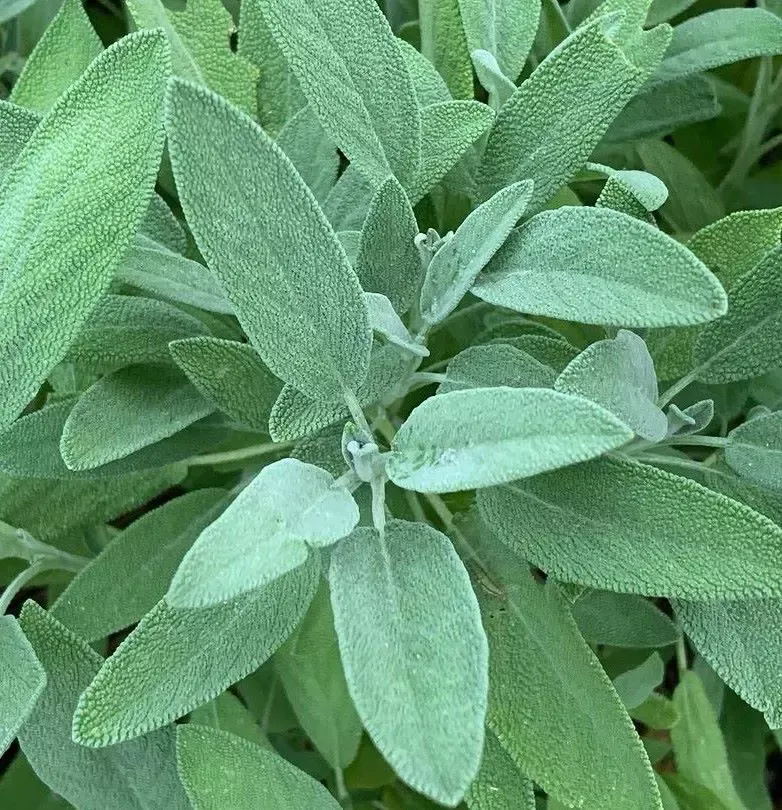
The connection between people and plants is one of the oldest relationships in human history. Long before modern wellness products became popular, communities learned to recognize the plants growing around them and developed traditional ways of incorporating botanical resources into everyday life. This knowledge was shaped by local environments, generations of observation, cultural practices, and an understanding of seasonal changes.
Today, interest in natural wellness is experiencing a renewed focus. Consumers are increasingly interested in botanical ingredients, traditional practices, sustainable sourcing, and products that connect modern lifestyles with nature. Rather than simply choosing products because they are described as “natural,” many people want to understand their ingredients, origins, preparation methods, and potential role in a balanced lifestyle.
Chitral Herbs represents an opportunity to explore this relationship between traditional botanical knowledge and modern wellness. Chitral, a mountainous region in northern Pakistan, is known for its distinctive landscapes, diverse ecological conditions, and rich cultural heritage. Communities across the region have historically developed knowledge about plants found in their surroundings and their traditional uses.
The appeal of Chitral Herbs therefore extends beyond the idea of a natural product. It can also introduce consumers to a broader story involving mountain landscapes, botanical diversity, traditional knowledge, and responsible approaches to natural living.
At the same time, modern herbal wellness should be approached thoughtfully. Traditional use can provide valuable cultural and historical information, but it does not automatically mean that a particular botanical has been clinically proven to treat a health condition. Understanding this distinction is essential for consumers who want to make informed decisions.
What Makes Chitral’s Botanical Heritage Special?
Chitral's geography contributes significantly to its botanical identity. The region includes valleys, mountainous terrain, high-altitude areas, agricultural landscapes, and different ecological zones. Variations in altitude, temperature, soil, water availability, and seasonal conditions can influence the plants found in different locations.
For local communities, these plants have historically represented valuable natural resources. Traditional knowledge may involve recognizing particular species, understanding when they are available, collecting specific plant parts, and preparing them according to established customs.
Ethnobotanical research in Chitral has documented extensive traditional knowledge concerning local plants. Researchers have studied medicinal and traditionally useful plant species across different communities and valleys, showing that botanical knowledge forms an important part of the region's cultural heritage.
This heritage is valuable because it connects people with their environment. A plant is not simply an isolated ingredient; it can be connected to local history, food traditions, household practices, cultural identity, and generations of accumulated knowledge.
Why Are People Interested in Natural Wellness?
Modern lifestyles have encouraged many people to reconsider their relationship with nature. Busy schedules, processed foods, sedentary routines, and limited outdoor time have increased interest in simple and sustainable approaches to everyday well-being.
Natural wellness does not necessarily mean abandoning modern healthcare. Instead, it can involve making more conscious choices about nutrition, physical activity, rest, stress management, and the products used as part of everyday life.
Botanical products may appeal to consumers because they offer:
- Plant-derived ingredients
- Connections to traditional knowledge
- Regional heritage
- Interest in simpler routines
- Greater awareness of ingredient sourcing
- Opportunities to explore cultural wellness practices
However, a balanced approach is important. No single herb or botanical should be presented as a universal solution for health.
Everyday well-being is influenced by multiple factors, including diet, sleep, physical activity, stress, genetics, environment, and access to appropriate healthcare.
Understanding Chitral Herbs in a Modern Context
Chitral Herbs can be understood as part of the broader botanical heritage associated with Chitral. Modern herbal products may present traditional ingredients in convenient forms, depending on the specific formulation.
These formats can include dried botanicals, powders, teas, oils, extracts, or combinations of different plant ingredients.
Because herbal products can differ substantially, consumers should evaluate the individual product rather than assuming that every botanical preparation has identical properties.
Product transparency is particularly important.
When exploring Chitral Herbs, consumers can consider:
- The complete ingredient list
- Botanical names where applicable
- Recommended usage
- Serving or quantity information
- Manufacturer details
- Product origin
- Sourcing information
- Batch or lot identification
- Expiration date
- Storage instructions
This information helps consumers understand what they are purchasing and encourages more responsible decision-making.
Traditional Botanical Wisdom and Modern Science
One of the most important aspects of herbal wellness is understanding how traditional knowledge and scientific evidence relate to one another.
Traditional knowledge is based on practices and observations developed within communities over generations. Scientific research approaches plants through systematic investigation.
Researchers may study botanical ingredients by examining their chemical composition, biological activity, safety, dosage, and potential effects through different research methods.
These two approaches can complement each other.
Traditional knowledge can help identify plants that deserve further investigation. Scientific research can then explore questions that traditional knowledge alone cannot answer.
However, evidence must be interpreted carefully.
If a plant has traditionally been used for a particular purpose, that documents an established cultural practice. It does not automatically prove that the plant can treat a disease or produce a specific medical outcome.
Similarly, a laboratory study may identify an interesting biological property without proving that consuming a commercial product will produce the same effect in humans.
This distinction is particularly important when evaluating online health and wellness information.
Why Ingredient Transparency Matters
The quality of an herbal product involves much more than the identity of the plant.
Growing conditions, harvesting methods, plant identification, drying, storage, processing, manufacturing, and packaging can all influence the characteristics of a botanical product.
Natural ingredients can also vary depending on environmental conditions and harvest periods.
For these reasons, consumers should look for products that communicate clearly about their ingredients and usage.
A useful evaluation checklist includes:
- Complete ingredient information
- Clear product labeling
- Manufacturer identification
- Recommended usage
- Storage guidance
- Expiration information
- Batch or lot information
- Sourcing details
- Relevant quality-testing information where available
Consumers should also be cautious when products make dramatic claims about instant results, guaranteed health outcomes, or disease treatment.
A transparent approach is more useful than exaggerated promises.
The Importance of Sustainable Sourcing
The growing popularity of herbal products also creates an important responsibility: protecting natural resources.
Wild plants can be vulnerable to excessive harvesting. If demand increases without appropriate controls, certain species may become less abundant, potentially affecting both ecosystems and communities that depend on them.
Research concerning Chitral's botanical resources has identified conservation concerns associated with some traditionally used plants. Environmental changes, habitat pressure, and unsustainable collection practices can all contribute to resource depletion.
Sustainable sourcing can help address these challenges.
Responsible practices may include:
- Controlled harvesting
- Cultivating plants where appropriate
- Avoiding vulnerable species
- Following suitable harvesting seasons
- Improving drying and storage practices
- Maintaining traceable supply chains
- Supporting local communities
- Protecting natural habitats
Sustainability is particularly relevant to Chitral Herbs because the identity of regional botanical products is closely connected to the natural environment from which their traditions originate.
How Traditional Botanicals Fit Into Everyday Wellness
Natural wellness does not need to be complicated. It can begin with small and consistent lifestyle choices.
Spending time outdoors, eating a varied diet, maintaining regular physical activity, getting enough sleep, and becoming more aware of the ingredients in everyday products can all contribute to a more mindful lifestyle.
Botanical products may be included as one optional part of this broader approach.
A balanced wellness routine can include:
- Nutritious and varied meals
- Adequate hydration
- Regular movement and exercise
- Consistent sleep
- Stress-management activities
- Time in natural environments
- Meaningful social connections
- Responsible use of supplements
- Appropriate professional healthcare
This perspective is important because it prevents unrealistic expectations from being placed on a single herbal product.
A Practical Approach to Choosing Chitral Herbs
Consumers interested in Chitral Herbs can make more informed decisions by researching the specific product they are considering.
Start by examining the label. Understanding what is actually included in the formulation is more useful than relying on broad terms such as “pure,” “natural,” or “traditional.”
Next, consider the product's sourcing and manufacturing information. Transparency can help consumers understand how the botanical ingredients move from their source to the finished product.
It is also useful to research individual ingredients where appropriate. Consumers should distinguish between documented traditional use, preliminary research, and established clinical evidence.
Before purchasing, ask:
- What exactly does the product contain?
- Are all ingredients clearly listed?
- Is the manufacturer identified?
- Are usage instructions provided?
- Is the product's origin explained?
- Is an expiration date available?
- Are storage instructions provided?
- Is quality information available?
- Does the product avoid exaggerated medical claims?
These simple questions can encourage better purchasing decisions.
Illustrative Case Study: Building a Nature-Inspired Routine
Consider a hypothetical consumer named Hamza who wants to adopt a more natural approach to everyday wellness.
While researching traditional botanical products, Hamza discovers Chitral Herbs. He becomes interested not only in the products but also in the cultural and environmental story behind Chitral's herbal traditions.
Instead of making an immediate purchase, he researches the individual ingredients and learns about the difference between traditional use and scientific evidence.
He then reviews the product information carefully. He checks the ingredients, recommended usage, manufacturer details, expiration date, and available sourcing information.
Hamza also recognizes that an herbal product should not replace healthy lifestyle habits. He begins walking regularly, improves his sleep schedule, drinks more water, and focuses on eating a varied diet.
If he chooses to incorporate an herbal product, he follows the product instructions and maintains realistic expectations rather than assuming that every change in his well-being is caused by the product.
This illustrative case demonstrates an important principle: natural wellness is most meaningful when it is approached as a complete lifestyle rather than a search for a single solution.
Natural Does Not Automatically Mean Risk-Free
The word “natural” should not be interpreted as a guarantee of safety.
Plants can contain biologically active compounds, and some botanical ingredients may interact with medicines or may not be suitable for people with particular health circumstances.
Individuals taking prescription medication should consult a qualified healthcare professional before using herbal supplements.
People managing an existing health condition should also seek appropriate professional advice rather than attempting to replace necessary treatment with an herbal product.
Pregnant or breastfeeding individuals should consult a healthcare professional before using herbal supplements.
If symptoms are persistent, severe, or unexplained, professional medical evaluation should take priority.
Responsible herbal wellness combines curiosity with caution.
Preserving Chitral’s Botanical Knowledge
The heritage behind Chitral Herbs is connected to more than plants. It also involves the people, landscapes, traditions, and knowledge systems that have developed around those plants.
Traditional botanical knowledge can be vulnerable to environmental changes, declining biodiversity, modernization, and the loss of knowledge between generations.
Preservation can involve several approaches:
- Documenting traditional botanical knowledge
- Supporting sustainable cultivation
- Protecting natural habitats
- Encouraging responsible harvesting
- Sharing knowledge with younger generations
- Supporting local communities
- Promoting transparent supply chains
- Encouraging further scientific research
These efforts can help ensure that Chitral's botanical heritage remains available and meaningful in the future.
Why Chitral Herbs Can Inspire a More Conscious Lifestyle
One of the most valuable aspects of exploring traditional botanicals is the opportunity to become more conscious of where everyday products come from.
A product connected to a particular region encourages consumers to think about geography, cultivation, harvesting, cultural knowledge, and environmental responsibility.
This can create a more meaningful relationship with wellness.
Instead of simply asking, “What does this product do?” consumers can also ask:
- Where does it come from?
- What is its traditional background?
- How is it produced?
- Is it responsibly sourced?
- What evidence exists about its ingredients?
- How does it fit into a healthy lifestyle?
These questions encourage a more informed form of natural living.
Frequently Asked Questions
What are Chitral Herbs?
Chitral Herbs refers to herbal and botanical products associated with the natural resources and traditional botanical heritage of Chitral in northern Pakistan. Individual products can vary in their ingredients, preparation, and intended use.
Why is Chitral known for herbal traditions?
Chitral has diverse mountain environments and a documented history of traditional plant knowledge. Ethnobotanical research has recorded numerous plants used by local communities for traditional purposes.
Are Chitral Herbs scientifically proven?
Scientific evidence depends on the individual botanical ingredient and the specific health claim being evaluated. Traditional use provides cultural and historical information but does not automatically establish clinical effectiveness.
How should I choose a Chitral Herbs product?
Review the complete ingredient list, manufacturer information, recommended usage, sourcing details, expiration date, storage requirements, and available quality information before purchasing.
Are herbal products suitable for everyone?
No. Some botanical ingredients can interact with medications or may not be appropriate for people with certain health conditions. Professional advice may be appropriate before use.
Can Chitral Herbs replace prescribed medicine?
No. Herbal products should not replace prescribed medication, medical diagnosis, or professional healthcare.
Why does sustainable sourcing matter?
Sustainable sourcing helps protect plant populations, biodiversity, natural habitats, and the traditional knowledge connected with regional botanical resources.
Can Chitral Herbs be part of everyday wellness?
Depending on the specific product and individual circumstances, botanical products may be incorporated into a broader wellness routine alongside balanced nutrition, physical activity, adequate sleep, and other healthy habits.
Conclusion
Discovering Chitral Herbs for everyday wellness is about more than exploring natural ingredients. It is an opportunity to reconnect with the relationship between plants, people, culture, and the environment.
Chitral's botanical heritage reflects generations of knowledge developed through close interaction with a diverse mountain landscape. Traditional plant knowledge has cultural importance and can also provide valuable starting points for further scientific investigation.
For modern consumers, the best way to explore this heritage is through informed and responsible decision-making. Understanding ingredients, researching sourcing, evaluating product information, and distinguishing traditional use from scientific evidence can make the experience more meaningful.
Sustainability should also remain central. The continued availability of traditional botanicals depends on healthy ecosystems and responsible resource management. Protecting natural habitats, supporting sustainable cultivation, and encouraging responsible harvesting can help preserve both biodiversity and cultural heritage.
Natural wellness is ultimately not about finding one perfect product. It is about creating a lifestyle based on balanced nutrition, movement, rest, mindful choices, and an informed relationship with the products we use.
Chitral Herbs can be part of that journey by connecting modern consumers with the botanical traditions associated with Chitral. When approached with curiosity, transparency, respect for traditional knowledge, and realistic expectations, these traditions can inspire a deeper appreciation for nature and a more conscious approach to everyday wellness.

 English
 Arabic
 French
 Portuguese
 Deutsch
 Turkish
 Dutch
Dutch
 Italiano
 Russian
 Romaian
 Portuguese (Brazil)
 Greek
Greek