


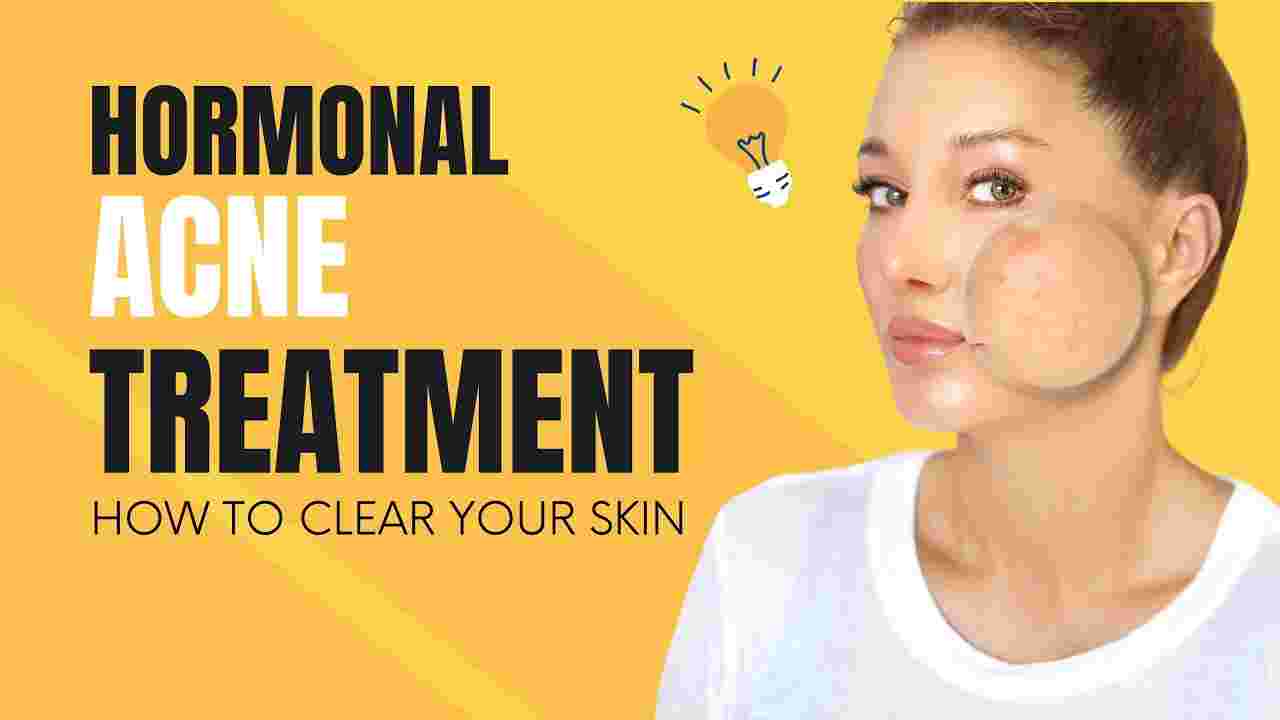
Skin can change surprisingly fast during perimenopause and menopause. One year it feels comfortable; the next it’s drier, thinner and less forgiving after a late night. A good hormonal skin ageing treatment isn’t about chasing a frozen face. It’s about understanding what declining oestrogen may be doing, then choosing treatments that suit your skin, health and budget.
There’s no single miracle cream. Annoying, but true. The best results usually come from several sensible choices working together—and giving them enough time.
Why does skin age faster during menopause?
Oestrogen supports collagen, hydration and skin thickness. As hormone levels fluctuate and fall, some people notice more dryness, itching, sensitivity, fine lines or slower healing. The NHS includes dry and itchy skin among recognized.
This doesn’t mean every new line is hormonal. Sun exposure, smoking, stress, genetics, sleep and ordinary ageing still count. Often it’s a mix, which is why buying a product labelled “menopause cream” without assessing the skin can be a bit hit and miss.
I think the sudden loss of comfort bothers many people more than wrinkles. If a moisturiser that worked for 10 years starts stinging at 48, that feels personal. And quite confusing.
Which hormonal skin ageing treatment works best?
The best hormonal skin ageing treatment depends on what has actually changed. Dryness needs barrier support. Pigmentation needs sun protection and carefully selected actives. Loss of firmness may respond better to prescription skincare or clinic procedures. New acne requires another plan entirely.
Start with the boring basics:
· Use a gentle, non-foaming cleanser.
· Apply a fragrance-free moisturiser containing ceramides, glycerin or hyaluronic acid.
· Wear broad-spectrum SPF 30 or higher when appropriate for your skin and exposure.
· Avoid stacking acids, scrubs and retinoids on the same evening.
· Introduce one new active at a time.
Boring basics do quite a lot, actually. The British Association of Dermatologists recommends at least SPF 30 for conditions affected by light, alongside shade and clothing rather than relying on sunscreen alone. UK weather isn’t a free pass; UVA can still reach skin on cloudy days and through windows.
Can retinoids improve menopausal skin?
Retinoids are among the better-known options for fine lines, uneven texture and photoageing. Retinol is sold in cosmetic products, while stronger retinoids may require a prescription. They can also cause peeling, soreness and irritation, especially when skin is already dry.
Go slowly. Once or twice weekly may be enough at first, followed by moisturiser. A pea-sized amount for the whole face is plenty. More product doesn’t mean faster collagen; sometimes it just means a red chin on Tuesday morning.
I once compared two simple routines on paper: one had 11 products and cost £214, while the other had cleanser, moisturiser, SPF and one retinoid for £63. I’d choose the four-product routine nearly every time. It’s easier to follow, and consistency usually beats an overcrowded bathroom shelf.
Retinoids aren’t suitable during pregnancy, and sensitive skin conditions may need medical guidance before use.
Can HRT make skin look younger?
Hormone replacement therapy can relieve menopause symptoms and help prevent osteoporosis, but it shouldn’t be started purely as a beauty treatment. Some people report improvements in skin dryness or comfort after starting HRT, yet the decision must consider their full symptom picture and medical history.
The NHS says HRT can be used during perimenopause or after periods stop, and a GP should explain the individual benefits and risks. Tablets, patches, gels and sprays aren’t identical. For example, NHS guidance notes that HRT tablets can slightly increase blood-clot risk, while patches, sprays and gels don’t carry that same increase.
So yes, hormones may influence skin. That doesn’t turn HRT into an anti-wrinkle prescription.
A safe hormonal skin ageing treatment plan keeps this distinction clear. Speak with a GP or menopause specialist if you also have hot flushes, poor sleep, mood changes, vaginal dryness or other symptoms. Skin is one part of the conversation, not the whole thing.
What can a Longevity clinic UK offer for ageing skin?
A reputable Longevity clinic UK may combine medical history, menopause assessment, skin analysis and lifestyle review. The useful bit isn’t a huge blood-test package. It’s having someone connect the dots without assuming every problem is caused by low hormones.
Ask who will assess you. Check whether they’re registered with the GMC, NMC or another appropriate UK regulator. Find out who prescribes treatment, how follow-up works and what happens if you experience side effects.
I’d be cautious if a clinic promises “hormone balancing” after one test or sells six supplements before discussing sunscreen. At £350 or £1,200, a package should offer more than glossy graphs and a branded bottle.
Which treatments can a Longevity clinic UK combine?
Depending on the clinic and your needs, options may include prescription skincare, chemical peels, microneedling, laser treatment, injectable treatments or menopause care. These treatments do different jobs. Microneedling won’t correct every pigment problem, and an injectable won’t repair a damaged skin barrier.
The most convincing hormonal skin ageing treatment plan is usually staged. Calm irritation first. Build a daily routine. Add one targeted treatment, then review the result after eight to twelve weeks. Skin needs time, even when marketing suggests otherwise.
A trustworthy Longevity clinic UK should also say when treatment isn’t needed. That’s a good sign. If a changing mole, persistent rash, bleeding patch or sudden severe acne appears, see a GP or dermatologist rather than booking a cosmetic facial.
How long does hormonal skin treatment take to work?
Moisturiser can improve comfort within days. Retinoids and pigment treatments often need several months, while collagen-focused procedures develop gradually. HRT can take up to three months to work fully for menopause symptoms, according to the NHS, though skin responses vary and aren’t guaranteed.
Take photographs in the same room, at the same time of day, every four weeks. Daily mirror checks are brutal and not very useful. Changes are often quieter than expected…
Can skincare reverse hormonal ageing completely?
No. A realistic hormonal skin ageing treatment can improve dryness, texture, pigmentation and the appearance of fine lines, but it can’t stop biological ageing. The aim is healthier, more comfortable skin that still looks like you.
Is expensive menopausal skincare better?
Not automatically. Ingredients, formulation and regular use matter more than the word “menopause” on the jar. A £20 fragrance-free moisturiser may suit reactive skin better than a £120 perfumed cream.
When should I see a doctor about skin changes?
Speak to a GP if changes are sudden, painful, persistent or accompanied by other symptoms. Get a new or changing mole, a non-healing sore, unexplained bleeding or a rapidly growing lesion checked promptly.
Ready for a more personal plan? Book a consultation with a qualified UK clinician and take your current skincare products, medication list and three months of symptom notes with you.

 English
 Arabic
 French
 Spanish
 Deutsch
 Turkish
 Dutch
 Italiano
 Russian
 Romaian
 Portuguese (Brazil)
 Greek