


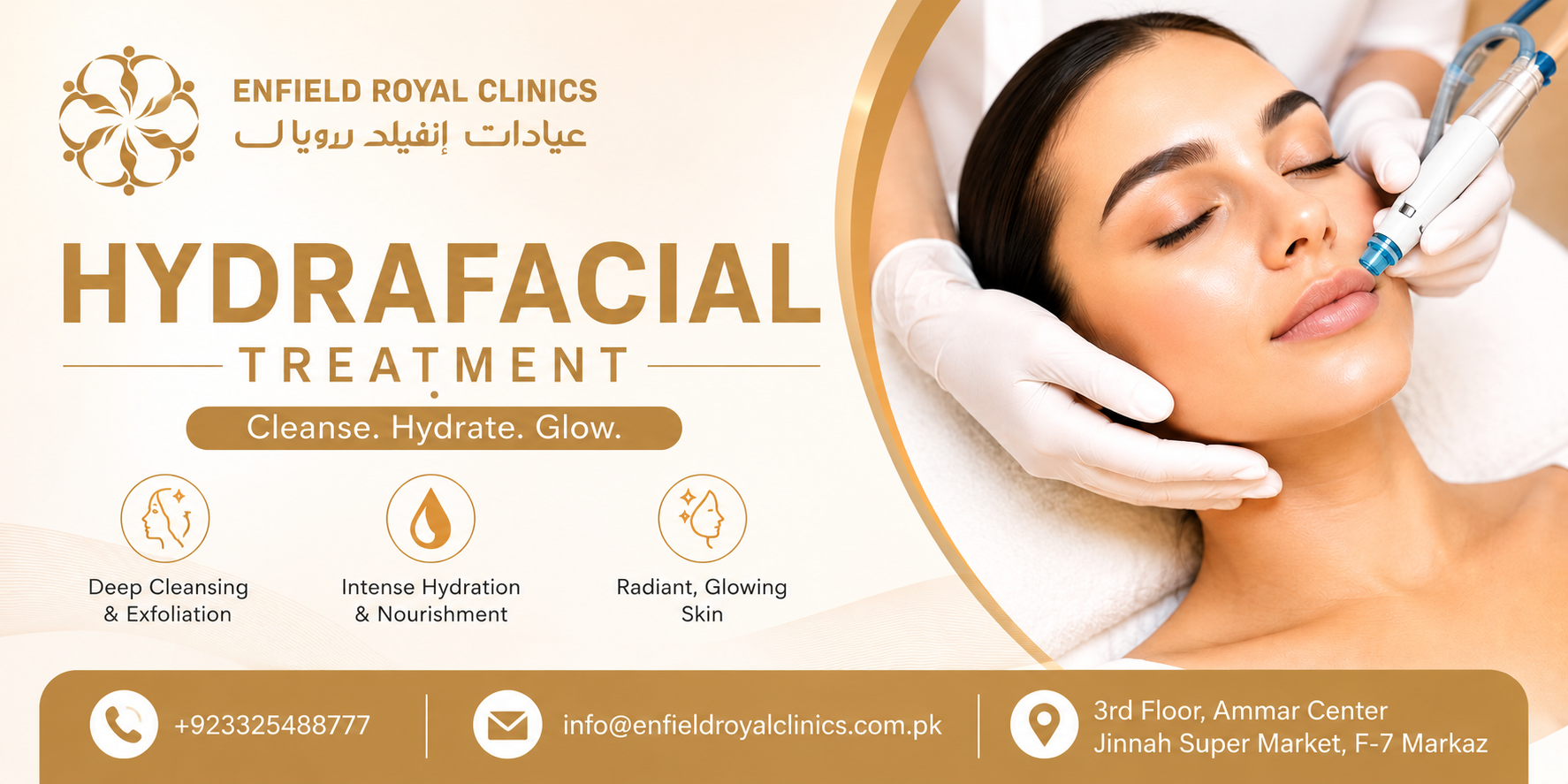
The number of professional facial treatments a person needs can vary depending on their skin type, concerns, lifestyle, and desired results. Hydrafacial is a popular non-invasive treatment that combines cleansing, exfoliation, extraction, and hydration in one session.
Some people notice a refreshed appearance after their first treatment, while others choose multiple sessions to maintain improvements in skin texture, hydration, congestion, or dullness. There is no single number of sessions that is suitable for everyone.
Is One Hydrafacial Session Enough?
One Hydrafacial session may be enough if your goal is to achieve a quick skin refresh. After a single treatment, many people may notice skin that looks smoother, brighter, cleaner, and more hydrated.
A first session can be particularly useful before a special occasion when someone wants to improve the overall appearance of their complexion.
However, one treatment does not permanently change the skin. Natural oil production, dead skin cell buildup, environmental exposure, and aging continue after the procedure.
Why Might You Need Multiple Hydrafacial Sessions?
Multiple sessions may be considered when a person wants ongoing improvement or maintenance. Concerns such as congestion, dullness, rough texture, or dehydration may return over time.
A series of treatments can provide repeated professional cleansing, exfoliation, extraction, and hydration. However, more sessions do not automatically mean better results.
The appropriate number depends on how your skin responds and what you are trying to achieve.
How Many Sessions Are Needed for Skin Hydration?
People mainly concerned with dry or dehydrated-looking skin may notice an improvement after one session. Hydrafacial includes a hydration-focused stage that can leave the skin feeling softer and looking more refreshed.
If dehydration is recurring, occasional maintenance sessions may be considered alongside a suitable home skincare routine.
Daily moisturizer, gentle cleansing, and adequate sun protection remain important because professional treatment cannot permanently prevent dehydration.
How Many Sessions Are Needed for Clogged Pores?
Clogged pores can develop when excess oil, dead skin cells, and other impurities accumulate. Hydrafacial's exfoliation and controlled extraction stages may help improve the appearance of congested pores.
Some people may see cleaner-looking pores after one session. Those who regularly experience congestion may choose periodic treatments.
However, professional extraction does not stop pores from producing oil or accumulating new debris. A consistent skincare routine is important between appointments.
What About Fine Lines and Early Signs of Aging?
Hydrafacial may temporarily improve the appearance of fine lines that are more noticeable because of dehydration or rough skin texture.
One treatment can provide a smoother and more hydrated appearance. People seeking ongoing skin maintenance may choose additional sessions depending on their individual goals.
However, Hydrafacial does not permanently remove deeper wrinkles or reverse significant age-related changes. More targeted anti-aging procedures may be considered for these concerns.
How Many Sessions Are Needed for Dull Skin?
Dull-looking skin may benefit from professional exfoliation and hydration. After one session, the complexion may appear fresher and more radiant.
If dullness repeatedly returns because of environmental exposure, dehydration, or surface buildup, occasional treatments may help maintain a refreshed appearance.
At-home skincare is still essential. Daily sunscreen and suitable moisturizing can help support the skin between professional treatments.
Does Skin Type Affect the Number of Sessions?
Yes. Skin type and sensitivity can influence treatment frequency.
People with oily or congested skin may have different maintenance needs than those with dry or sensitive skin. Sensitive skin may require a gentler treatment approach and longer intervals between sessions.
A qualified skincare professional can assess your skin before recommending a treatment schedule.
Can You Have Hydrafacial Too Often?
More frequent treatments are not necessarily better. Hydrafacial includes exfoliation and extraction, so the skin needs an appropriate amount of time between sessions.
Over-treatment may contribute to dryness, sensitivity, redness, or irritation in some individuals.
Your provider should consider your skin's response before recommending another session. If your skin becomes irritated after treatment, additional sessions may need to be delayed.
What Factors Determine Your Treatment Schedule?
Several factors can influence how many Hydrafacial sessions you may need, including:
- Your primary skin concern
- Skin type
- Skin sensitivity
- Current skincare routine
- Age
- Environmental exposure
- Treatment intensity
- Desired results
- Response to previous sessions
For example, someone seeking occasional hydration before an event may need far fewer treatments than someone using professional facials as part of a long-term skincare maintenance plan.
What Should You Do Between Hydrafacial Sessions?
Your home skincare routine can significantly influence how long the benefits remain noticeable.
Consider maintaining a simple routine that includes gentle cleansing, appropriate moisturizing, and broad-spectrum sunscreen. Avoid excessive exfoliation or using multiple strong active ingredients without professional guidance.
Do not pick or squeeze congested pores, as this can cause irritation and potentially lead to inflammation or pigmentation.
Healthy lifestyle habits and adequate protection from environmental factors can also support overall skin appearance.
Is a Hydrafacial Series Better Than Occasional Treatment?
It depends on your goals. A planned series may be useful for people who want ongoing attention to concerns such as congestion, dullness, or uneven texture.
Occasional sessions may be more appropriate for someone who simply wants a periodic skin refresh.
There is no universal requirement to complete a fixed number of treatments. A qualified professional should assess your progress and determine whether additional sessions are beneficial.
When Should You Stop Hydrafacial Treatments?
If your skin is consistently healthy-looking and your concerns are well controlled, frequent professional treatments may not be necessary.
You should also discuss any persistent irritation, dryness, or unexpected skin changes with your provider before continuing treatment.
If your main concern is severe acne, significant pigmentation, deep wrinkles, or pronounced scarring, another type of treatment may be more appropriate.
Final Thoughts
So, how many Hydrafacial sessions do you need? There is no fixed answer because treatment requirements vary from person to person. Some people may be satisfied with one session, while others may prefer occasional treatments for ongoing skin maintenance.
The number of sessions depends on your skin type, concerns, treatment goals, and response to previous sessions. Hydrafacial can help improve hydration, texture, congestion, and overall radiance, but its effects are not permanent.
For the most suitable schedule, consult a qualified skincare professional. They can evaluate your skin and recommend an individualized treatment plan rather than relying on a standard number of sessions.

 English
 Arabic
 French
 Spanish
 Portuguese
 Deutsch
 Turkish
 Dutch
 Russian
 Romaian
 Portuguese (Brazil)
 Greek