


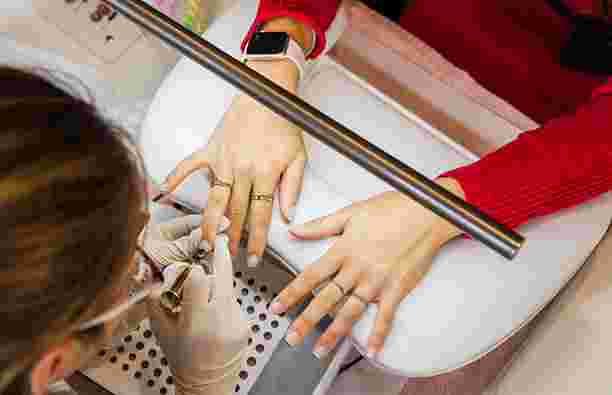
You sit down, get your nails done, feel great about them, and then two days later there's a chip on your index finger. Frustrating doesn't even cover it. The thing is, chipping usually isn't random bad luck. There are real, fixable reasons it keeps happening, and most of them start before the first drop of color ever touches your nail. Whether you're getting a Manicure in Mandeville, LA or painting your own nails at the kitchen table, the same basic rules apply. Get them wrong and you'll be picking off flakes by Thursday. Get them right and your color can last a week or more without a single crack.
It Starts With Nail Prep (And Most People Rush It)
Here's the thing most people don't think about: polish doesn't stick to skin, it sticks to the nail plate. And if that plate has oil, lotion, or moisture sitting on it, you've already lost. Even the natural oils your body produces are enough to keep polish from bonding properly. That's why a good nail technician will wipe the nail down with a dehydrator or a quick swipe of acetone before doing anything else.
At home, most people skip this step completely. They wash their hands, maybe dry them off, and go straight to the base coat. But washing your hands with soap leaves behind a thin residue. So does any lotion you put on earlier in the day. Even water trapped around the cuticle area can cause lifting within the first 24 hours. Dry, clean, oil-free nails are the only surface polish actually wants to stick to.
Cuticle prep matters too. Ragged or overgrown cuticles that sit on the nail plate give polish an uneven edge to cling to. It'll start peeling right at the cuticle line, which is one of the most common chipping spots. Push them back, clean the edge, and you give your color a fighting chance.
Base Coat and Top Coat Are Not Optional
Skipping base coat is probably the single biggest DIY mistake. Full stop. Base coat does two things: it gives the polish something grippy to bond to, and it protects your actual nail from staining. Without it, color sits on a smooth surface with nothing holding it down. It'll slide and chip within days, sometimes hours.
Top coat is the other half of that equation. A lot of people apply it once and think they're done. But top coat wears down from daily use, hand washing, and contact with surfaces. Reapplying a thin layer every two or three days can add almost a full week to your wear time. That small habit makes a bigger difference than most people expect.
And don't skip the "cap" technique. Running your brush across the very tip of the nail when applying both top coat and color seals the free edge. That edge is where chips almost always start. If it's not sealed, water and friction get underneath the polish and peel it away from the tip first. Worth doing right.
Your Daily Habits Are Working Against You
Think about what your hands go through on an average day. Dishes. Hot water. Cleaning sprays. Hand sanitizer. All of it breaks down polish faster than anything else. Hot water is especially rough because it causes your nails to expand slightly, and when they contract again, the polish can crack. Pretty common if you're doing dishes without gloves.
Harsh soaps and chemical cleaners are another big one. They strip away the top coat layer steadily over time, which is why your color looks great on day one and dull and chippy by day four. A simple pair of rubber gloves while cleaning makes a real difference. It sounds fussy, but it works.
Typing, opening cans, and using your nails as tools all put direct stress on the free edge. That's the thin, exposed tip of your nail that has the least polish coverage. If you're a heavy keyboard user or you work with your hands a lot, you're going to chip faster. Not much you can do about that except choose a more durable polish type, which leads to the next point.
Regular Polish, Gel, and Dip Powder Don't All Last the Same
Regular lacquer is the most flexible but also the least durable. On a well-prepped nail with proper top coat, it might last five to seven days for most people. Less if you're hard on your hands. It's also the easiest to remove at home, which is a real plus.
Gel polish cures under a UV or LED lamp, which hardens it into a much tougher layer. Most people get two weeks or more out of a gel manicure without chipping. It does require proper removal, though. Peeling it off damages your nail plate, and that damage makes your next manicure chip faster. If you're getting gel at a Manicure Salon in Mandeville, LA, ask about their removal process before you commit.
Dip powder sits somewhere between the two in terms of application but tends to last even longer than gel for a lot of people, especially those with active lifestyles. It bonds differently and tends to hold up better against daily wear. The downside is that removal takes a bit more time and care. You can learn more about how different nail coatings bond and behave by checking out the Wikipedia overview of nail polish chemistry.
What Professionals Do Differently
A trained nail tech at a reputable Manicure Salon in Mandeville, LA isn't just applying polish faster. They're working through a process. Proper dehydration. Correct base coat thickness. Thin, even color layers that dry fully between coats. And a sealed, capped top coat at the end. Each step matters and they're all done in the right order.
At home, people tend to rush. Thick coats that take forever to dry. Color applied before the base is set. Top coat slapped on while the color is still tacky. All of that traps air bubbles and creates weak spots where chips start. DeVibe Nail Lounge & Salon is one place where clients regularly mention that their color holds noticeably longer compared to their DIY attempts, and the difference usually comes down to prep and patience.
Thin coats dry faster and bond better. Two thin layers of color will always outlast one thick layer. That's the part most home manicures get wrong. Slow down, let each layer set, and you'll see a real difference in how long your color holds.
Frequently Asked Questions
Why does my nail polish chip within 24 hours of application?
That's almost always a prep issue. Oil, lotion, or moisture on the nail plate stops polish from bonding. Wipe your nails down with acetone or a nail dehydrator before you start, and make sure you're using a base coat. Those two steps fix most early chipping problems.
Does the brand of polish matter for how long it lasts?
It does, a little. Some formulas are thicker and more durable than others. But honestly, prep and application technique matter more than brand. A mid-range polish applied correctly will outlast a premium one applied over oily, unprepped nails every time.
How often should I reapply top coat to make my manicure last longer?
Every two to three days is a good rule of thumb. Just a thin layer over the existing color and across the tip of the nail. It refreshes the protective layer that daily hand washing wears away and can add several days to your total wear time.
Is gel polish worth it if I'm hard on my hands?
For most people who work with their hands a lot, yes. Gel lasts significantly longer than regular polish and holds up better against water, cleaning products, and daily contact. Just make sure it gets removed properly at a salon rather than peeled off at home.
What's the best way to get a Manicure in Mandeville, LA that actually lasts?
Go to a salon that takes nail prep seriously and doesn't rush the process. Ask about their base coat, whether they cap the free edge, and how they remove gel if that's what you're getting. A little conversation upfront tells you a lot about whether they're going to do it right.

 English
 Arabic
 French
 Portuguese
 Deutsch
 Turkish
 Dutch
 Italiano
 Russian
 Romaian
 Portuguese (Brazil)
 Greek