


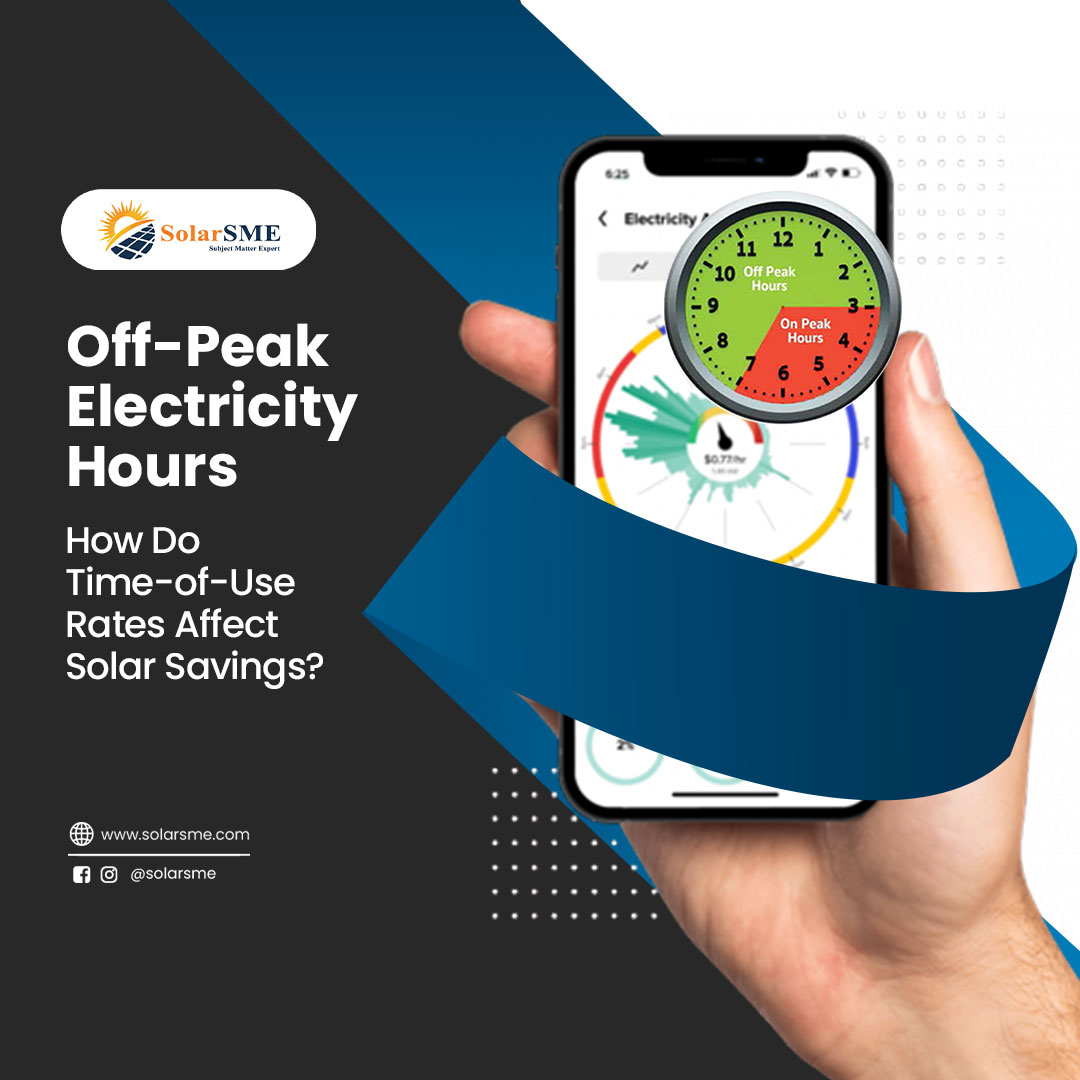
Off-peak electricity hours are periods when a utility charges a lower electricity rate than during higher-demand periods. For homeowners, knowing when these periods occur can help reduce electricity costs, especially when combined with solar panels, battery storage, and time-of-use electricity plans.
Why Electricity Prices Change During the Day
Utilities may use different pricing structures to reflect changes in electricity demand. During high-demand periods, electricity can cost more, while lower-demand periods may have lower rates.
However, there is no universal schedule for off-peak hours electricity across the United States. A utility may define peak and off-peak periods differently based on location, season, customer class, and rate plan.
That means searching for the cheapest electricity hours without checking the specific utility plan can lead to incorrect assumptions.
Time-of-Use Plans Require a Different Strategy
Time-of-use electricity plans charge different rates depending on when electricity is consumed. Under these plans, homeowners can potentially reduce costs by shifting flexible consumption away from expensive periods.
For example, EV charging, laundry, dishwashers, water heating, and other flexible loads may be scheduled during lower-cost periods when practical.
The key is to compare the entire rate structure rather than focusing on one inexpensive time window.
Solar and Batteries Can Change the Calculation
Solar panels generate electricity primarily during daylight hours, but household demand may increase later in the afternoon and evening. This creates a potential mismatch between solar production and electricity consumption.
A battery can store excess solar generation and discharge it later. This can be particularly useful under time of use electricity rates, where evening electricity costs more than daytime or overnight electricity.
Homeowners considering a whole-home battery backup system should evaluate both outage protection and energy-cost management.
How to Choose an Electricity Plan?
When deciding how to choose an electricity plan, review:
-
Peak and off-peak pricing
-
Seasonal rate changes
-
Fixed charges
-
Delivery charges
-
Minimum usage requirements
-
Solar export compensation
-
Battery storage compatibility
-
Contract terms
A plan with a low advertised rate may not be the cheapest option after delivery charges and other fees are included.
Compare Plans Based on Your Actual Usage
The best electricity plans vary by household. Someone who works from home may consume significant electricity during daytime hours, while another household may use most of its electricity after work.
A solar homeowner should also compare how the utility values exported solar electricity. The value of excess generation can influence whether adding a battery provides a meaningful financial benefit.
Peak vs. Off-Peak Electricity Matters for Solar Planning
Understanding peak vs. off-peak electricity can help homeowners make better decisions about solar sizing, battery storage, and energy consumption.
Rather than changing every appliance habit, focus on the largest flexible loads first. Small changes may have limited impact, while shifting high-energy activities or using stored solar power during expensive periods can produce a more meaningful difference.
Use Your Utility's Actual Rate Structure
There is no single national answer to the cheapest time to use electricity. The correct approach is to examine the utility's current rate schedule and compare it with your household's hourly electricity consumption.
For solar homeowners, combining rate analysis with system production and battery performance provides a much clearer picture of potential savings. Solarsme can help you evaluate your electricity plan, solar production, and energy storage options to identify a practical strategy for managing energy costs.

 English
 Arabic
 French
 Spanish
 Portuguese
 Deutsch
 Turkish
 Dutch
 Italiano
 Russian
 Portuguese (Brazil)
 Greek