


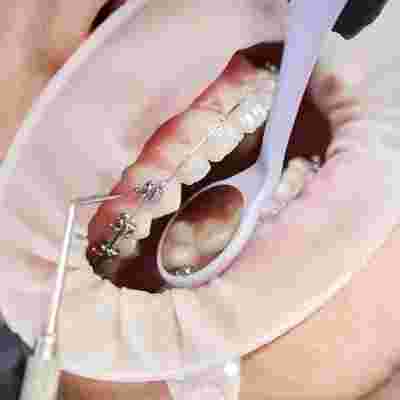
A confident smile can make a positive difference in everyday life. When teeth are crooked, crowded, unevenly spaced, or affected by bite problems, people may feel less comfortable smiling or speaking. Orthodontic treatment provides a way to gradually improve tooth alignment while also supporting better dental function. Dental Braces in Islamabad are a widely used orthodontic option for teenagers and adults who want to achieve a straighter and more balanced smile.
Braces work through controlled pressure that slowly guides teeth toward their planned positions. The treatment is carefully monitored by a dental professional because every patient's teeth respond differently. A proper examination is therefore essential before selecting braces or another orthodontic treatment.
Why Are Braces Needed?
There are several reasons a person may require orthodontic treatment. Crowded teeth occur when there is not enough room for all the teeth to fit properly. This can cause teeth to overlap or rotate and may make cleaning certain areas more difficult.
Gaps between teeth are another common concern. Some spaces occur naturally, while others may be related to tooth size or missing teeth. Depending on the cause, orthodontic treatment may help improve the spacing.
Crooked teeth can affect the appearance of a smile, while bite irregularities can affect how the upper and lower teeth meet. Problems such as overbite, underbite, and crossbite may require orthodontic assessment.
For people considering Dental Braces in Islamabad, the most suitable treatment should be determined after a professional evaluation rather than based solely on appearance.
How Dental Braces Work
Traditional braces use brackets and wires to apply controlled forces to the teeth. The brackets are attached to the teeth, while the wire connects them and guides their movement.
The dentist periodically adjusts the braces throughout treatment. These adjustments help maintain appropriate pressure and allow the teeth to move gradually.
Because orthodontic movement takes time, patients should be prepared for a treatment journey that may continue for many months. The duration depends on the severity of the alignment problem, the patient's response to treatment, and other individual factors.
Different Braces Options
Modern dentistry offers several types of orthodontic appliances. Traditional metal braces are commonly used because they can treat a wide range of alignment concerns.
Ceramic braces provide a less noticeable alternative. Their brackets are designed to blend with the natural color of the teeth, making them appealing to patients who prefer a more discreet appearance.
Clear aligners are another option for selected cases. They consist of transparent trays that gradually guide the teeth. Since they are removable, patients can take them out when eating and cleaning their teeth.
However, the most appropriate option depends on the patient's dental condition. An orthodontic professional can determine whether traditional braces, ceramic braces, clear aligners, or another approach is suitable.
Consultation Before Treatment
A dental consultation is the foundation of successful orthodontic treatment. During the initial assessment, the dentist examines the teeth, gums, bite, and overall oral health.
Digital scans, photographs, or X-rays may be used to obtain a clearer picture of tooth position and jaw structure. These records help the dentist develop an individualized treatment plan.
If cavities, gum disease, or other dental concerns are identified, they may need to be treated before braces are placed. Healthy teeth and gums are important for successful orthodontic care.
At Enfield Royal Clinic Islamabad, patients can discuss their orthodontic concerns and explore available dental treatment options following an appropriate assessment.
The Braces Placement Process
For conventional braces, the brackets are carefully positioned on the teeth. An orthodontic wire is then placed through the brackets to begin guiding the teeth.
The procedure is performed according to the patient's treatment plan. After placement, patients receive instructions about brushing, eating, and caring for their braces.
It is normal for some patients to experience mild pressure or sensitivity when braces are first fitted. Similar sensations may occur following later adjustments. These feelings are generally temporary, but patients should contact their dental provider if they experience unusual or severe discomfort.
Regular Follow-Up Visits
Orthodontic treatment requires consistent monitoring. Follow-up appointments allow the dental professional to evaluate tooth movement and make necessary adjustments.
These appointments also provide an opportunity to identify problems early. A loose bracket or damaged wire can be addressed before it interferes significantly with treatment.
Patients should follow their appointment schedule and communicate openly with their dentist about any concerns.
Maintaining Good Oral Hygiene
Keeping teeth clean while wearing braces is extremely important. Food particles can become trapped around brackets and wires, making plaque buildup more likely.
Patients should brush carefully around each bracket and along the gumline. Cleaning between the teeth can help remove food and plaque from areas that are difficult to reach with a toothbrush.
Good oral hygiene can help reduce the risk of cavities, gum irritation, and staining. Regular dental check-ups should also continue during orthodontic treatment.
Foods to Be Careful With
Certain foods can damage braces. Hard candies, sticky foods, chewing gum, and very hard items may place excessive pressure on brackets and wires.
Patients should follow their dental professional's dietary instructions. Eating carefully and avoiding problematic foods can reduce the risk of broken orthodontic components.
If a bracket becomes loose or a wire breaks, patients should contact their dental clinic for professional guidance.
Braces for Adults
Orthodontic treatment is not limited to teenagers. Adults can also benefit from braces or other orthodontic options. Many adults choose treatment to improve a long-standing alignment problem or enhance the appearance of their smile.
Discreet options such as ceramic braces and clear aligners may be considered when appearance is an important concern. However, treatment suitability depends on the patient's dental condition.
A complete dental examination is particularly important for adults because existing dental or gum problems may need to be addressed before orthodontic treatment.
What Happens After Braces?
When the teeth reach their planned positions, the active braces phase comes to an end. However, teeth can move again if they are not properly maintained.
Retainers are commonly used after orthodontic treatment to help keep the teeth in their corrected positions. The dentist determines the appropriate retainer and wearing schedule for each patient.
Following retainer instructions can help maintain the results and protect the investment made in orthodontic treatment.
Choosing a Dental Provider
Choosing a suitable dental clinic is an important part of the orthodontic journey. Patients should consider professional experience, treatment choices, diagnostic technology, hygiene standards, and aftercare support.
Enfield Royal Clinic Islamabad provides dental and orthodontic services for patients seeking professional guidance for tooth alignment and smile improvement. A consultation can help patients understand their dental condition and discuss appropriate treatment options.
Patients should also feel comfortable asking questions about treatment duration, appliance options, oral hygiene, follow-up visits, and aftercare.
Benefits of Properly Aligned Teeth
Straightening teeth can provide several potential benefits. A well-aligned smile can improve appearance and make some areas easier to clean. Correcting certain bite problems may also improve chewing comfort and the relationship between the upper and lower teeth.
The benefits and results of treatment vary between individuals. Proper diagnosis and personalized planning are therefore essential.
Conclusion
Choosing Dental Braces in Islamabad can be an important step toward improving crooked, crowded, or misaligned teeth. Braces gradually guide teeth into better positions while orthodontic professionals monitor the process and make necessary adjustments.

 Arabic
 French
 Spanish
 Portuguese
 Deutsch
 Turkish
 Dutch
 Italiano
 Russian
 Romaian
 Portuguese (Brazil)
 Greek