


Introduction
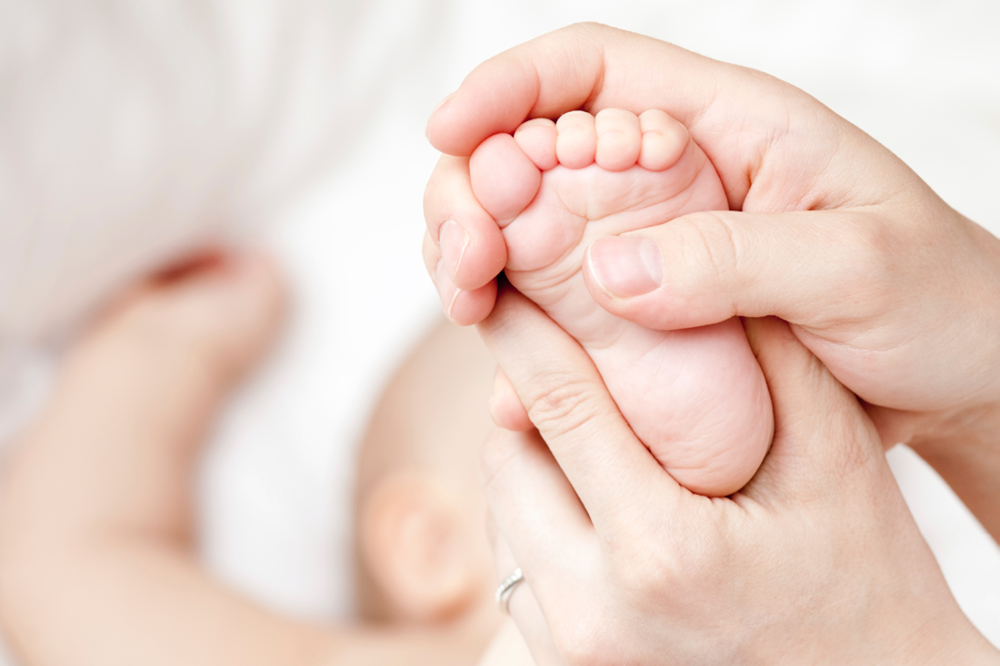
Children's feet go through constant changes as they grow. From early walking and running to sports and school activities, healthy feet play an important role in movement, balance, and everyday comfort. Simple footcare habits during childhood can help parents notice potential problems early and encourage children to develop good hygiene and footwear routines.
Parents may sometimes overlook changes in their child's feet, particularly when symptoms are mild or difficult for a young child to describe. Professional Expert Podiatry services in Edinburgh can provide appropriate assessment and practical advice when parents have concerns about their child's foot health.
Why Children's Footcare Is Important
Children's feet are still developing, and their activity levels can place considerable demands on them. Running, jumping, playing sports, and spending long periods in school shoes can all contribute to pressure and irritation.
Good footcare can help parents monitor:
- Foot and toe development.
- Skin condition.
- Toenail health.
- Foot comfort.
- Walking patterns.
- Shoe fit.
- Changes in activity or movement.
Regular attention does not mean that every minor change requires treatment. Instead, it gives parents an opportunity to identify unusual symptoms and seek professional advice when necessary.
Choose Properly Fitting Children's Shoes
Children's footwear should provide enough room for natural movement without being excessively loose. Shoes that are too small can create pressure around the toes, while poorly fitting footwear may cause rubbing and discomfort.
When choosing children's shoes, consider:
- Enough space around the toes.
- A comfortable and secure fit.
- Appropriate support for the activity.
- Breathable materials where suitable.
- Flexible construction that allows natural movement.
- Suitable sizing for the child's current foot size.
Children's feet can grow quickly, so parents should regularly check whether their child's shoes still fit comfortably. A child may not always complain about tight footwear, particularly if they are accustomed to wearing the same shoes every day.
Encourage Good Foot Hygiene
Children should learn basic foot hygiene from an early age. Washing the feet regularly and drying them properly can help keep the skin clean and comfortable.
Parents can encourage children to:
- Wash their feet regularly.
- Dry carefully after bathing.
- Change socks every day.
- Change damp socks after sports.
- Avoid sharing socks or personal footcare items.
- Keep shoes clean and dry.
- Tell an adult if their feet become painful or irritated.
These simple habits can become part of a child's normal routine and support better foot health as they grow.
Pay Attention to Toenails and Skin
Toenails should be kept clean and trimmed appropriately. Parents should avoid cutting nails excessively short or digging into the corners, as this may irritate the surrounding skin.
Children can also experience common problems such as:
- Blisters.
- Corns and calluses.
- Dry or irritated skin.
- Ingrown toenails.
- Fungal nail concerns.
- Minor cuts or abrasions.
- Foot discomfort caused by footwear.
When Changes Need Professional Attention
Some foot problems may improve with simple care, while persistent or recurring concerns may require professional assessment.
Parents should consider seeking Expert Podiatry services in Edinburgh if a child experiences ongoing foot pain, repeated nail problems, unusual changes in the skin, difficulty walking, or discomfort that interferes with normal activities.
Professional assessment can help identify potential causes and provide age-appropriate footcare advice.
Monitor Your Child's Walking and Movement
A child's walking pattern naturally changes as they grow. However, parents may notice certain changes that are worth discussing with a professional, particularly when they are persistent or accompanied by pain.
Pay attention if your child:
- Frequently complains of foot or leg pain.
- Avoids running or physical activities.
- Regularly trips or loses balance.
- Walks differently from usual.
- Develops persistent discomfort after sports.
- Avoids wearing certain shoes because of pain.
- Shows signs of discomfort while walking.
A professional assessment does not necessarily mean that treatment will be required. It can simply provide reassurance and guidance about appropriate next steps.
Children's Footcare and Sports
Active children place additional demands on their feet. Football, running, gymnastics, dancing, cycling, and other activities involve repetitive movement, jumping, and changes in direction.
Sports-related foot problems can sometimes develop because of excessive activity, unsuitable footwear, sudden increases in training, or insufficient recovery.
Parents can support healthier participation by encouraging children to:
- Wear appropriate sports footwear.
- Warm up before demanding activities.
- Stay active at an age-appropriate level.
- Take suitable rest periods.
- Report persistent pain rather than ignoring it.
- Replace worn-out sports shoes when necessary.
- Maintain good foot hygiene after training.
If a child develops recurring sports-related foot discomfort, Expert Podiatry services in Edinburgh can provide professional assessment and guidance suited to their needs.
Building Healthy Footcare Habits at Home
Parents play an important role in helping children understand the importance of foot health. Simple routines can become lifelong habits when introduced early.
A practical home routine can include:
- Checking the feet regularly.
- Keeping toenails at a comfortable length.
- Washing and drying feet properly.
- Using comfortable footwear.
- Changing socks regularly.
- Encouraging children to communicate about pain.
- Checking shoes for wear and fit.
- Seeking advice when problems persist.
Children should also understand that foot pain is not something they need to hide. Encouraging them to tell parents, teachers, or another trusted adult when something hurts can help potential problems receive attention sooner.
When Should Parents Contact a Podiatrist?
Professional advice may be appropriate when a child's foot problem is persistent, recurring, or affecting normal movement. It can also be useful when parents are unsure whether a particular change is part of normal development.
Consider professional assessment if your child has:
- Persistent foot pain.
- Repeated ingrown toenails.
- Recurring blisters or calluses.
- Unusual changes in toenails.
- Difficulty walking comfortably.
- Recurring sports-related foot problems.
- Persistent skin irritation.
- Changes in walking that cause concern.
- Foot problems affecting school or physical activities.
A qualified practitioner can assess the child's feet and provide suitable recommendations without unnecessarily complicating their routine.
Conclusion
Children's footcare does not have to be complicated. Regular hygiene, comfortable footwear, appropriate toenail care, and attention to changes in walking or activity can help parents support healthy foot development.
Because children may not always recognise or explain foot problems clearly, parents should pay attention to recurring pain, discomfort, skin changes, nail problems, and changes in movement. When concerns persist, professional assessment can provide reassurance and practical guidance.
For families looking for Expert Podiatry services in Edinburgh, professional children's footcare can provide age-appropriate assessment and advice designed around the child's individual needs. Building good footcare habits early can support comfortable movement and healthier feet throughout childhood.

 English
 Arabic
 French
 Spanish
 Portuguese
 Deutsch
 Turkish
 Dutch
 Italiano
 Russian
 Romaian
 Greek