


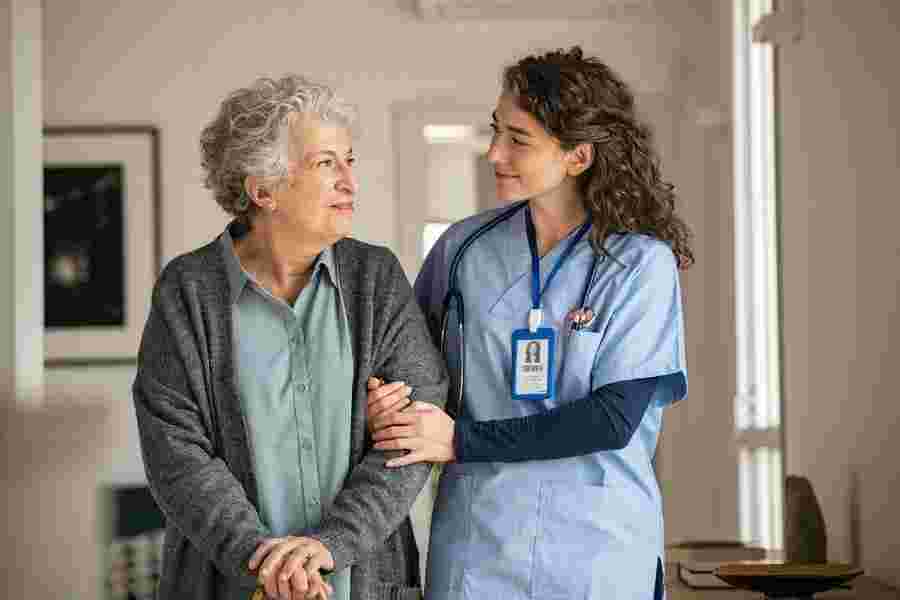
Caring for a bedridden patient requires consistent attention, patience, and appropriate professional support. A Female Home Nurse in Dubai can assist families with daily nursing needs while allowing the patient to remain in a familiar and comfortable home environment. Depending on the patient's care plan, a nurse may provide support with personal hygiene, positioning, medication routines, vital-sign monitoring, nutrition-related care, and other appropriate nursing responsibilities. Families may also coordinate nursing services with Doctor at Home when physician assessment or medical guidance is required. Understanding the role of home nursing can help families create a safer, more organized, and compassionate care environment for bedridden patients.
What Does Bedridden Patient Care Involve:
Bedridden patient care involves supporting an individual who spends most or all of their time in bed because of illness, injury, disability, advanced age, or recovery from a medical procedure. Such patients may have difficulty moving independently and can require assistance with basic activities as well as healthcare routines. Care needs vary considerably, so an appropriate plan should be developed according to the patient's condition and instructions from the treating healthcare professionals. A home nurse can provide professional support while family members remain involved in emotional, practical, and household aspects of care. The objective is to maintain comfort, hygiene, safety, dignity, and appropriate continuity of care.
Why Choose a Female Home Nurse for Bedridden Patients:
A female nurse can be a preferred option for patients who feel more comfortable receiving personal care from a woman, particularly when assistance involves bathing, dressing, toileting, hygiene, or other sensitive activities. Comfort and trust are important when providing ongoing care to a bedridden individual because the nurse may spend significant time with the patient each day. A professional female nurse can combine clinical knowledge with respectful communication and compassionate support. The right nurse should also understand the patient's preferences, cultural considerations, and specific care requirements while maintaining professional boundaries and patient dignity.
Personal Hygiene and Grooming Support:
Maintaining proper hygiene is an essential part of bedridden patient care. Limited mobility can make bathing, changing clothes, oral care, hair care, and other grooming activities difficult without assistance. A qualified home nurse can provide appropriate personal-care support according to the patient's condition and care plan. Regular hygiene can improve comfort and help maintain healthy skin while allowing the patient to feel clean and respected. Personal care should always be provided carefully, with attention to privacy, safety, and the patient's physical limitations.
Support may include:
- Bathing or bed bathing assistance
- Oral hygiene
- Hair and grooming care
- Changing clothes and bedding
- Toileting assistance
- Skin hygiene
- Maintaining personal comfort
Positioning and Mobility Assistance:
Patients who remain in bed for extended periods may require regular repositioning and appropriate mobility assistance. A nurse can help with safe positioning according to professional guidance and the patient's individual needs. Proper positioning may improve comfort and reduce pressure on vulnerable areas of the body. Where appropriate, nurses can also assist with transfers or prescribed mobility exercises. Families should not attempt physically demanding transfers without suitable training, particularly when the patient has significant weakness or mobility limitations. Professional assessment is important for determining the safest approach.
Pressure Injury Prevention:
Patients with limited mobility may be at increased risk of developing pressure injuries, particularly when they spend long periods in the same position. A home nurse can help implement appropriate preventive measures included in the patient's care plan. These may involve repositioning, skin observation, maintaining cleanliness and dryness, and using recommended support surfaces or equipment. Early changes in the skin should be reported to the appropriate healthcare professional so that they can be assessed promptly. Prevention is generally easier than managing an established pressure injury, making regular observation an important component of bedridden patient care.
Medication and Treatment Support:
Bedridden patients may have several prescribed medications or treatments that need to be managed consistently. A home nurse can provide medication-related support within their professional scope and according to valid medical instructions. Depending on the care plan, this may involve administering prescribed medications, maintaining records, and observing for changes that should be reported to the healthcare provider. Nurses should never independently change medication doses or treatment plans without appropriate medical authorization. Organized medication support can help families maintain a consistent healthcare routine and reduce confusion around prescribed treatments.
Nutrition and Hydration Assistance:
Some bedridden patients need help with meals, hydration, or maintaining an appropriate nutritional routine. A home nurse can assist according to the patient's care plan and any dietary instructions provided by the healthcare team. Patients with swallowing difficulties or specialized nutritional requirements may need specific professional guidance before feeding assistance is provided. Families should communicate known allergies, dietary restrictions, and relevant medical instructions clearly to the caregiver. Consistent attention to nutrition and hydration can contribute to overall comfort and support the patient's broader recovery or long-term care plan.
Monitoring Vital Signs and Health Changes:
Regular observation can be especially important for patients who are unable to communicate changes in their health easily or who have ongoing medical conditions. According to the care plan, a nurse may monitor vital signs and observe changes in breathing, appetite, alertness, mobility, skin condition, or general comfort. Relevant observations can be documented and communicated to the patient's family or healthcare provider. Home monitoring does not replace professional diagnosis, but it can help families and healthcare teams identify changes that may require further assessment.
Possible observations include:
- Blood pressure
- Pulse
- Temperature
- Blood glucose when prescribed
- Breathing-related changes
- Skin condition
- Appetite and hydration
- Level of alertness
- General comfort
Catheter, Wound, and Specialized Nursing Care:
Some bedridden patients may require specialized nursing procedures because of surgery, injury, chronic illness, or other medical conditions. Depending on professional qualifications and the prescribed care plan, a home nurse may assist with wound and dressing care, catheter-related care, or other approved nursing procedures. Such tasks should only be performed by appropriately qualified professionals and according to medical instructions. Families should provide the nurse with relevant treatment information and ensure that any changes in the patient's condition are communicated promptly to the appropriate healthcare professional.
Emotional Support and Companionship:
Being bedridden can affect a person's emotional well-being as well as physical comfort. Patients may feel isolated because they cannot participate in normal household activities or leave the home easily. A compassionate nurse can provide respectful conversation and companionship while performing appropriate care responsibilities. Encouraging the patient to participate in suitable conversations, hobbies, family interactions, or other safe activities may help make the day more engaging. Emotional support should complement, rather than replace, professional mental health care when a patient experiences significant psychological difficulties.
How a Female Home Nurse Helps Family Caregivers:
Caring for a bedridden patient can place substantial physical and emotional demands on family members. A professional home nurse can take responsibility for appropriate nursing and personal-care tasks, allowing relatives to focus on emotional support and other family responsibilities. This can help reduce caregiver fatigue and make long-term care more manageable. Family members can also benefit from clear communication about daily observations and care routines. A collaborative approach between the nurse, family, and healthcare professionals can create greater consistency and help ensure that the patient's needs remain the central priority.
Families may benefit through:
- Reduced physical caregiving burden
- Professional nursing assistance
- Better organization of daily care
- Consistent patient monitoring
- More time for family interaction
- Support with personal-care needs
- Greater confidence in home-based care
Creating a Safe Home Environment:
A safe home environment is essential for bedridden patients. Families should ensure that the patient's bed and surrounding area are appropriately arranged for safe care and easy access to essential items. Adequate lighting, clear pathways, suitable bedding, and recommended medical equipment can make daily care more manageable. Depending on the patient's needs, healthcare professionals may recommend specialized beds, pressure-relieving surfaces, mobility equipment, or other supportive devices. Equipment should be used according to professional instructions, and family members should ask qualified healthcare providers for guidance when they are uncertain about safe use.
Choosing the Right Female Home Nurse in Dubai:
Selecting a suitable nurse is an important decision because bedridden patients often require consistent and highly attentive care. Families should consider professional qualifications, experience with bedridden patients, communication skills, availability, and familiarity with the required nursing procedures. It is also important to discuss the patient's care plan, expected responsibilities, working schedule, emergency communication procedures, and coordination with healthcare providers before services begin. A reputable provider should clearly explain its services and ensure that nursing care is delivered according to professional standards and the patient's medical instructions.
When evaluating a home nurse, consider:
- Professional nursing credentials
- Experience with bedridden patients
- Relevant clinical skills
- Communication and compassion
- Availability and schedule
- Ability to follow care plans
- Coordination with healthcare providers
- Safety and emergency procedures
- Provider reputation and transparency
When Families Should Seek Additional Medical Help:
Home nursing provides valuable ongoing support, but some situations require immediate medical evaluation. Families should understand which symptoms or changes need to be communicated to a physician or healthcare service. Sudden changes in consciousness, severe breathing difficulties, significant bleeding, serious injury, or other concerning symptoms should not be managed solely through routine home nursing. The patient's healthcare provider should establish appropriate escalation instructions as part of the care plan. Clear emergency procedures can help families respond quickly when a patient's condition changes unexpectedly.
Final Thoughts
A Female Home Nurse in Dubai can provide essential support for bedridden patients who need consistent professional assistance at home. From hygiene and positioning to medication routines, health monitoring, wound care, nutrition support, and companionship, nursing services can help address many aspects of daily care. Professional support can also reduce the physical burden on family caregivers while helping patients maintain dignity and comfort. Families should choose qualified nursing professionals with relevant experience and ensure that the care plan is clearly coordinated with the patient's healthcare team. With appropriate planning, safe practices, and compassionate nursing support, home care can provide a more comfortable and organized environment for bedridden patients.

 Arabic
 French
 Spanish
 Portuguese
 Deutsch
 Turkish
 Dutch
 Italiano
 Russian
 Romaian
 Portuguese (Brazil)
 Greek