


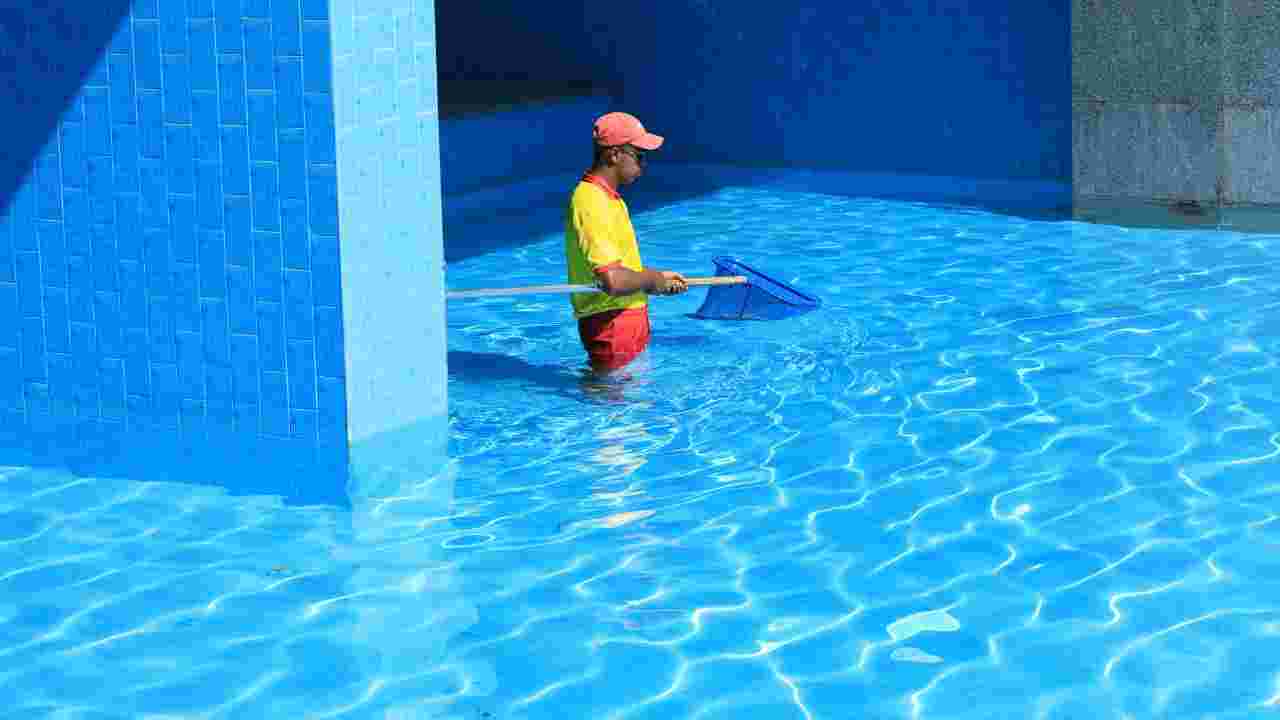
A reliable Swimming Pool Maintenance Contractor in Singapore can help homeowners keep their pools clean, safe, and efficient throughout the year. With Singapore’s tropical weather, regular maintenance is essential to control water quality, equipment performance, algae growth, and debris. Infinity Pool Services Pte Ltd provides professional support for residential pool care.
Why Regular Swimming Pool Maintenance Matters
A swimming pool is more than a feature that makes a property look attractive. It is a working system that requires regular attention to remain clean, safe, and functional. Without proper maintenance, water can become cloudy, algae can develop, and pool equipment may experience unnecessary stress.
Singapore’s warm and humid climate makes consistent maintenance particularly important. Rainfall, heat, humidity, and surrounding vegetation can introduce dirt and organic materials into the water. Regular cleaning and water treatment help homeowners avoid many common problems.
Professional maintenance can also help identify minor issues before they develop into expensive repairs. A small leak, unusual pump noise, blocked filter, or change in water quality may indicate an underlying problem that should not be ignored.
1. Check Pool Water Regularly
One of the most important residential pool maintenance habits is checking the water condition regularly. Pool water needs the right chemical balance to remain clean and comfortable.
Important factors include:
-
pH level
-
Chlorine or sanitiser level
-
Alkalinity
-
Water clarity
-
Calcium hardness, where relevant
The correct levels depend on the pool system and treatment method. Homeowners should follow the recommendations of their pool professional and the instructions for the products being used.
Testing the water consistently makes it easier to identify changes before they become major problems. If the water suddenly becomes cloudy, develops an unusual smell, or changes colour, investigate the cause rather than simply adding more chemicals.
2. Remove Leaves and Surface Debris
Leaves, insects, dirt, and other debris can quickly accumulate on the surface of an outdoor swimming pool. Removing them regularly helps keep the pool looking clean and reduces the amount of organic material entering the water.
A pool skimmer or suitable net can be used to remove floating debris. It is especially useful after heavy rain or windy weather.
Do not allow leaves to remain in the pool for long periods. As organic matter breaks down, it can affect water quality and contribute to algae growth.
3. Clean the Pool Walls and Floor
Surface cleaning should be part of a regular maintenance routine. Dirt and algae can collect on pool walls, steps, corners, and the floor, particularly in areas where water circulation is weaker.
Brushing these surfaces helps loosen deposits so that the filtration system can remove suspended particles. Depending on the pool design, homeowners may also use an appropriate pool vacuum or automated cleaning system.
Pay particular attention to:
-
Pool steps
-
Corners
-
Waterline areas
-
Around fittings
-
Shallow sections
-
Areas with limited circulation
Consistent cleaning is generally easier than allowing deposits to build up and then attempting a major cleanup.
4. Keep the Pool Filter Clean
The filtration system plays a central role in maintaining clear swimming pool water. It removes suspended particles and helps prevent contaminants from continuously circulating in the pool.
Different pools may use different filter technologies, such as cartridge, sand, or other filtration systems. Each type has its own cleaning and servicing requirements.
Homeowners should monitor the filter system for signs that it needs attention. Reduced water flow, unusual pressure readings, or increasingly cloudy water may indicate a filtration problem.
A Swimming Pool Maintenance Contractor in Singapore can inspect the filtration system, clean or service the appropriate components, and identify problems that may not be obvious during routine household cleaning.
5. Inspect the Pool Pump
The pool pump keeps water moving through the filtration and treatment system. If circulation is poor, even correctly treated water may not remain evenly distributed throughout the pool.
Check for signs such as:
-
Unusual sounds
-
Reduced water circulation
-
Visible leaks
-
Excessive vibration
-
Difficulty starting
-
Changes in normal operating performance
Never ignore unusual pump behaviour. Addressing a developing equipment problem early may help prevent more serious system damage.
Professional servicing can also help ensure that the pump is operating appropriately for the pool system rather than running inefficiently or unnecessarily.
6. Pay Attention to Water Circulation
Good circulation helps distribute treated water throughout the swimming pool. It also assists the filtration system in removing suspended contaminants.
Look at the return jets and other circulation points to make sure water is moving normally. Poor circulation can result in certain areas becoming dirtier or more prone to algae.
If circulation seems weaker than usual, the cause could involve the pump, filter, valves, blocked lines, or another component. Rather than guessing, homeowners should have the system checked by a qualified professional.
7. Monitor Water Levels
Singapore’s heat can contribute to water evaporation, while heavy rain can increase water levels. Regularly checking the pool level helps maintain appropriate operation of the circulation system.
Water that is too low may affect the skimmer and pump operation. On the other hand, excessive water after heavy rainfall can dilute chemical concentrations and affect the pool’s overall balance.
Check the water level as part of your routine maintenance and make adjustments when necessary.
8. Clean the Pool Surroundings
Pool maintenance does not stop at the waterline. The surrounding deck, drainage areas, walls, furniture, and nearby landscaping can all influence pool cleanliness.
Dirt around the pool can easily be carried into the water by rain, wind, or people walking around the area.
Keep the surrounding area clean by:
-
Sweeping loose dirt regularly
-
Removing fallen leaves
-
Cleaning suitable deck surfaces
-
Keeping drains clear
-
Managing nearby vegetation
-
Avoiding unnecessary clutter around the pool
A cleaner pool environment generally means fewer contaminants entering the water.
9. Watch for Algae Growth
Algae can become a recurring problem when water chemistry, circulation, filtration, or cleaning is inadequate. Early signs may include greenish areas, slippery surfaces, or unusual water discolouration.
If algae appears, do not simply assume that increasing chemical use will solve the problem. The underlying cause should also be identified.
Poor circulation, inadequate filtration, environmental contamination, and incorrect water treatment can all contribute to recurring problems. A professional pool maintenance team can assess the system and recommend appropriate corrective maintenance.
10. Inspect Pool Equipment and Fittings
Residential swimming pools contain several components that should be monitored over time. These may include pumps, filters, valves, skimmers, lights, drains, pipes, and other fittings.
During routine checks, look for:
-
Visible cracks
-
Leaks
-
Corrosion
-
Loose fittings
-
Unusual sounds
-
Damaged covers
-
Reduced equipment performance
Regular inspections can make it easier to discover problems while they are still manageable.
Infinity Pool Services Pte Ltd can assist residential property owners with ongoing pool maintenance and equipment-related checks, helping homeowners keep track of the condition of their pool systems.
11. Keep a Consistent Maintenance Schedule
One of the easiest ways to manage residential pool care is to create a maintenance schedule rather than waiting until something looks wrong.
A simple routine might include:
Daily or Frequent Checks
Check the general water appearance, remove visible debris, and look for unusual changes.
Weekly Maintenance
Inspect water chemistry, clean the pool surfaces, check equipment operation, and examine the surrounding area.
Periodic Professional Maintenance
Arrange professional inspection and servicing based on the pool type, equipment, usage level, and manufacturer recommendations.
The exact frequency will vary between properties. A private pool used by several family members may require a different maintenance routine from a pool that is used only occasionally.
12. Consider Singapore’s Weather Conditions
Singapore’s tropical climate creates specific maintenance considerations for residential swimming pools. Hot weather can increase evaporation, while frequent rainfall can introduce contaminants and alter water chemistry.
After heavy rain, homeowners should check:
-
Water level
-
Water clarity
-
Debris accumulation
-
Chemical balance
-
Drainage around the pool
-
Equipment operation
Regular monitoring is especially useful during periods of changing weather.
13. Avoid Overusing Pool Chemicals
More chemicals do not necessarily mean cleaner water. Adding excessive amounts without testing can create an imbalance and may cause other water-quality problems.
Always use pool treatment products according to their instructions and the requirements of your particular pool system.
If you are uncertain about water chemistry, professional advice is preferable to repeatedly adding chemicals based on appearance alone.
14. Know When to Call a Professional
Some pool maintenance tasks are straightforward, but equipment problems and persistent water-quality issues may require professional attention.
Consider contacting a Swimming Pool Maintenance Contractor in Singapore when you notice:
-
Persistent cloudy water
-
Recurring algae
-
Unusual pump noises
-
Poor water circulation
-
Frequent chemical imbalance
-
Visible leaks
-
Filter problems
-
Equipment that repeatedly stops working
-
Water levels that change unexpectedly
Professional maintenance can also be useful for homeowners who do not have enough time to manage regular cleaning and equipment checks themselves.
Benefits of Professional Residential Pool Maintenance
Hiring a professional service can make pool ownership easier. Instead of handling every maintenance task independently, homeowners can have trained technicians monitor important aspects of the system.
Professional maintenance may include pool cleaning, water-quality checks, equipment inspection, filter servicing, pump checks, and general system monitoring, depending on the service package.
For busy residential property owners, this approach can provide a more consistent maintenance routine. Infinity Pool Services Pte Ltd can support homeowners who want their swimming pools maintained regularly rather than dealing with problems only after they appear.
How to Choose a Pool Maintenance Service
When looking for a Swimming Pool Maintenance Contractor in Singapore, consider several practical factors.
First, check whether the company provides the specific services your pool requires. A provider experienced with cleaning may not necessarily offer the equipment repair or servicing you need.
You can also ask about:
-
Maintenance frequency
-
Services included in the package
-
Equipment inspection
-
Water treatment
-
Emergency support
-
Experience with residential pools
-
Recommended maintenance schedules
-
Pricing and service terms
Clear communication is important. A good maintenance arrangement should make it easy for homeowners to understand what is being serviced and how frequently.
Common Residential Pool Maintenance Mistakes
Even homeowners who regularly clean their pools can make mistakes. Some common examples include:
Ignoring small equipment problems: A minor leak or unusual noise can become more serious if left unattended.
Cleaning only when the pool looks dirty: Pool water can require maintenance even when it appears clear.
Neglecting the filter: A dirty or poorly maintained filter can affect water clarity and circulation.
Forgetting the surrounding area: Dirt and leaves around the pool can eventually enter the water.
Adding chemicals without testing: Guesswork can lead to unnecessary chemical imbalance.
Skipping professional inspections: Some equipment problems are difficult to identify without technical knowledge.
Avoiding these mistakes can make residential pool maintenance more predictable and manageable.
Creating a Simple Pool Maintenance Routine
A practical maintenance routine does not have to be complicated. Start by observing the pool regularly and keeping a basic record of cleaning, water testing, and equipment servicing.
For example, homeowners can maintain a checklist covering:
-
Surface debris removal
-
Water appearance
-
Water-level check
-
Chemical testing
-
Pool-wall and floor cleaning
-
Filter inspection
-
Pump operation
-
Surrounding-area cleaning
-
Equipment inspection
-
Professional servicing
This simple approach helps ensure that important tasks are not forgotten.
Final Thoughts
A residential swimming pool can remain enjoyable for years when it receives consistent care. Regular cleaning, proper water management, good circulation, equipment checks, and timely professional servicing all contribute to a healthier and more efficient pool system.
Working with a dependable Swimming Pool Maintenance Contractor in Singapore can make routine pool care much easier, especially for busy homeowners. With a structured maintenance plan, problems can often be identified before they become major concerns. Infinity Pool Services Pte Ltd can help residential property owners maintain their pools with regular cleaning and professional attention.

 Arabic
 French
 Spanish
 Portuguese
 Deutsch
 Turkish
 Dutch
 Italiano
 Russian
 Romaian
 Portuguese (Brazil)
 Greek