


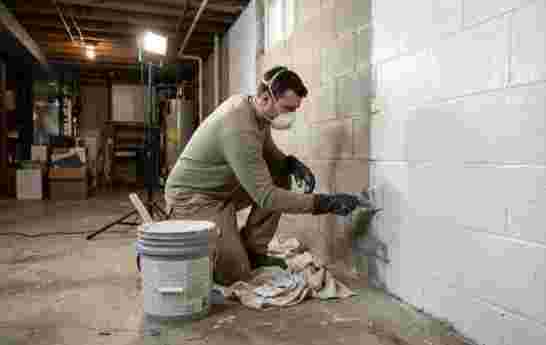
A basement provides valuable space for storage, hobbies, laundry, and additional living areas. However, moisture can limit how comfortably and safely you use that space. Water entering through foundation joints, damp walls, and recurring puddles can damage finishes, affect stored items, and contribute to musty odors.
Understanding interior basement waterproofing in Dubuque, IA, helps homeowners identify practical ways to control moisture before repeated water intrusion leads to more extensive damage. Interior waterproofing focuses on managing water that reaches the basement, collecting it through suitable drainage components, and directing it to a controlled discharge point.
The right approach depends on the source of the moisture, the condition of the foundation, and the way water moves around the property.
Why Basements Develop Moisture Problems
Basement moisture does not always originate from a major flood. Sometimes it develops gradually as groundwater pressure increases around foundation walls. Water can enter through cracks, floor-wall joints, porous masonry, and other vulnerable areas.
Exterior drainage problems also contribute to basement water intrusion. Clogged gutters, short downspouts, and soil that slopes toward the building can concentrate rainwater near the foundation.
Indoor sources deserve attention as well. Leaking supply lines, faulty plumbing connections, condensation on cold surfaces, and poorly ventilated spaces can all create damp conditions.
Identifying the source matters because different problems require different solutions. An interior drainage system might manage groundwater effectively, but it will not repair a leaking pipe or correct a persistent plumbing issue.
How Interior Basement Waterproofing Works
Interior waterproofing systems are designed to control water that enters or collects within the basement. Rather than assuming every drop can be prevented from reaching the foundation, these systems provide a managed route for water to leave the space.
Interior Drainage Channels
An interior drainage channel is installed along selected portions of the basement perimeter, often near the floor-wall joint. Depending on the system, water entering the channel flows toward a collection basin.
These channels commonly connect to a footing drain or interior drain tile system that directs collected groundwater toward the sump basin. Proper installation helps prevent water from spreading across the floor and provides a controlled route for drainage.
Sump Pump Integration
A sump basin collects water delivered by the drainage system. A properly sized sump pump then moves that water through a discharge pipe to a suitable location outside the home.
The discharge route must be planned carefully so water does not simply return toward the foundation. Backup power and high-water alarms are also worth considering in basements vulnerable to flooding.
Interior Wall Treatments
Specialized coatings, sealants, and wall vapor barriers are sometimes used to reduce moisture transmission through suitable masonry surfaces. However, these products have limitations.
A coating or vapor barrier alone will not reliably solve every case of groundwater pressure, active leakage, or foundation movement. Before selecting a treatment, determine whether the wall needs crack repair, drainage improvements, or a more comprehensive waterproofing system.
Signs You Should Investigate Basement Waterproofing
Early warning signs often appear before serious water damage develops. Watch for:
- Damp areas where the floor meets the foundation wall.
- White mineral deposits on masonry surfaces.
- Peeling paint or bubbling wall finishes.
- Musty odors that persist after cleaning.
- Water entering through visible foundation cracks.
- Repeated puddles after rainfall.
- Stored belongings becoming damp near exterior walls.
White deposits, sometimes called efflorescence, develop when moisture carries dissolved minerals through masonry and leaves them behind as the water evaporates. Their presence suggests moisture movement, although it does not establish the exact source.
If you notice new or widening cracks, uneven floors, or signs of foundation movement, arrange a qualified structural assessment rather than relying on waterproofing materials alone.
Combining Interior and Exterior Water Management
Interior systems work best as part of a broader moisture-control strategy. Exterior drainage improvements can reduce the amount of water reaching the foundation in the first place.
Keep gutters clear, extend downspouts away from the house, and maintain soil grading that directs surface runoff away from foundation walls. Repair plumbing leaks promptly and check basement humidity during warm, humid weather.
A dehumidifier helps control indoor moisture but does not replace drainage repairs when liquid water is entering the basement. Similarly, sealing an isolated crack might stop a localized leak without resolving groundwater accumulation elsewhere.
Radon testing is also worth considering when installing or modifying sub-floor drainage systems. Radon is a naturally occurring radioactive gas that can enter homes through foundation openings. If testing identifies elevated levels, consult a qualified radon mitigation professional to determine whether additional measures are needed.
An inspection helps determine which improvements should be completed first.
Understanding Basement Waterproofing Costs and Disruption
The cost of interior basement waterproofing depends on the extent of water intrusion, the length of drainage channel required, sump pump installation, foundation conditions, and the accessibility of the basement.
Interior drainage systems may require cutting into portions of the concrete floor, which can create temporary noise, dust, and disruption. Exterior waterproofing may involve excavation around foundation walls, potentially affecting landscaping, walkways, and other outdoor features.
Neither approach has a universal cost advantage. The appropriate solution depends on the source of the moisture, the property's conditions, and the work required. Requesting a professional inspection and a detailed estimate can help homeowners compare the expected costs, installation requirements, and long-term maintenance needs of each approach.
Maintaining Your Waterproofing System
Once a waterproofing system is installed, periodic checks help keep it working properly. Inspect accessible drainage components for debris and confirm that the sump pump starts and stops as expected.
Test backup equipment according to the manufacturer's instructions. Check the exterior discharge outlet for blockages, and verify that water drains away from the building.
Monitor the basement after heavy rainfall. New damp spots, recurring odors, or unexplained increases in pump activity can indicate a developing problem that needs investigation.
Keep maintenance records so you can recognize changes in system performance over time.
Create a Drier, More Usable Basement in Dubuque
Effective basement waterproofing begins with understanding where moisture originates and how it moves through the property. Interior drainage, sump pump installation, appropriate wall treatments, and exterior water management can work together to reduce recurring moisture problems.
If your basement regularly develops damp patches, puddles, or water intrusion after storms, arrange a professional evaluation. Exploring interior basement waterproofing in Dubuque, IA, can help you choose a practical moisture-control strategy and preserve the usefulness of your home's lower level.

 English
 Arabic
 French
 Spanish
 Portuguese
 Turkish
 Dutch
 Italiano
 Russian
 Romaian
 Portuguese (Brazil)
 Greek