


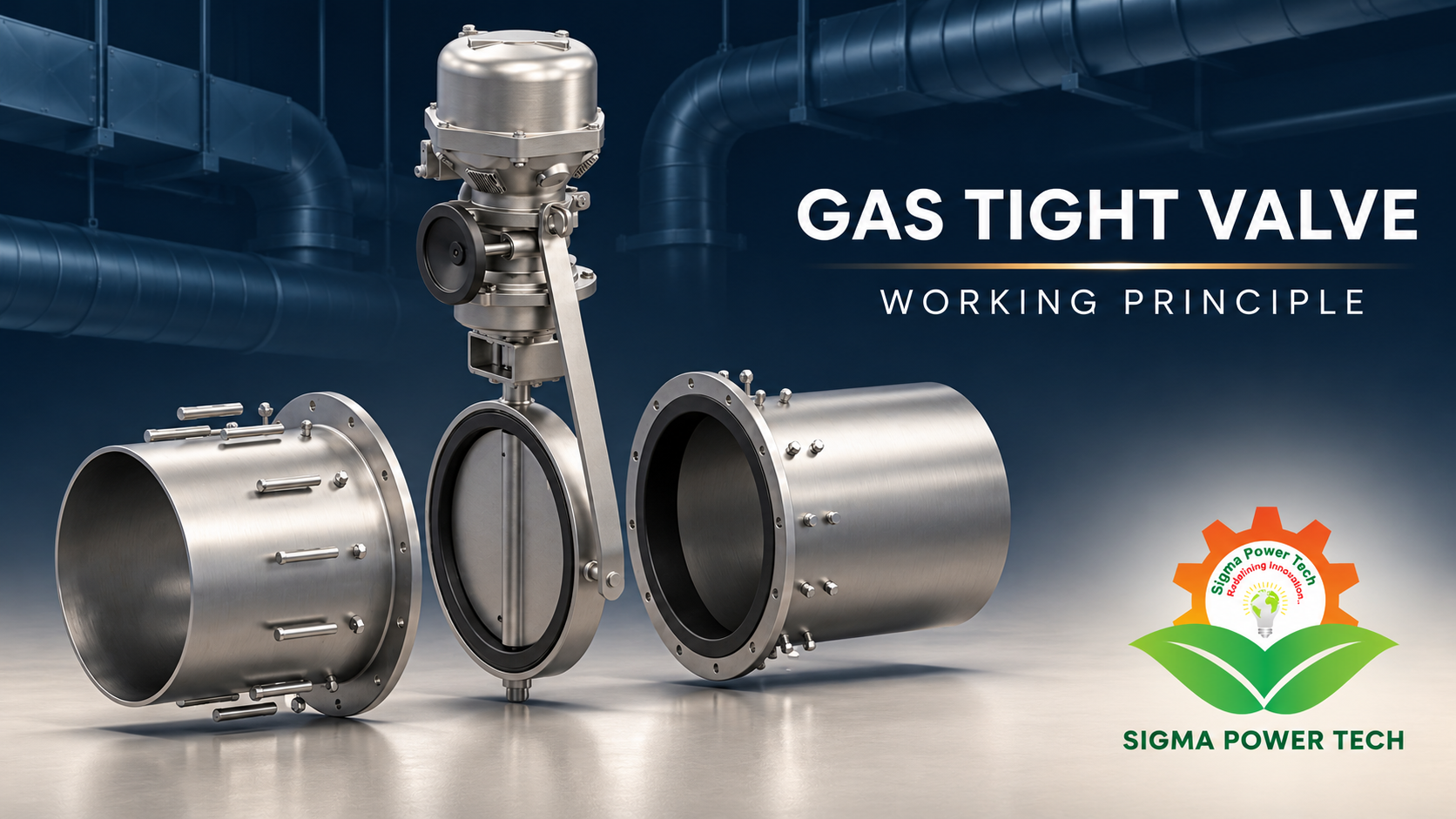
A hazardous gas release inside a chemical processing plant or an airborne contaminant approaching a military bunker can turn into a life-threatening situation within moments. In these environments, the ventilation system must react instantly to prevent contaminated air from spreading into protected areas. This is where a gas tight valve becomes one of the most important safety components. Designed to provide an airtight seal within ventilation ductwork, it isolates hazardous airflow and helps maintain a safe environment inside critical facilities such as CBRN shelters, underground command centres, and industrial plants.
Unlike standard ventilation dampers, a gas tight valve is engineered to achieve extremely low leakage rates, making it an essential part of modern contamination control systems.
What is a Gas Tight Valve?
A gas tight valve is a specialised airflow isolation device installed within ventilation systems to stop the movement of air whenever complete sealing is required. Its purpose is to prevent hazardous gases, toxic chemicals, smoke, or biological contaminants from travelling through ductwork during emergency situations.
Traditional dampers primarily regulate airflow and are not designed for airtight sealing. Gas tight valves use precision-machined components, high-performance sealing gaskets, and robust construction to create an effective barrier against gas leakage. This makes them indispensable in facilities where occupant safety and contamination control are critical.
How Does a Gas Tight Valve Work?
Under normal operating conditions, the valve remains fully open, allowing fresh air to circulate through the ventilation network without restriction. During an emergency or when isolation is required, the valve moves into the closed position to completely block airflow.
Depending on the application, closure can be achieved using:
- Manual operating handle
- Electric actuator
- Pneumatic actuator
- Spring-return mechanism for automatic fail-safe operation
When activated, the valve disc rotates or slides into its sealing position. Precision-engineered sealing surfaces compress against resilient gaskets, creating an airtight barrier with an exceptionally low leakage rate. The valve remains securely closed until authorised personnel manually or automatically reopen it after the hazard has been eliminated.
In advanced gas tight valve HVAC systems, these valves work alongside HEPA filters, activated carbon filters, blast valves, and overpressure units to maintain clean air inside protected environments while preventing external contaminants from entering.
Key Features of Gas Tight Valves
Excellent Sealing Performance
The primary advantage of a gas tight valve is its ability to minimise leakage. Precision manufacturing and high-quality seals provide reliable airtight isolation during hazardous events.
High Pressure Resistance
Many protective ventilation systems operate under varying pressure conditions. Gas tight valves maintain sealing integrity even when exposed to significant pressure differences.
Corrosion Protection
Industrial facilities often expose equipment to moisture, chemicals, and corrosive atmospheres. Stainless steel construction and protective coatings improve durability and reduce maintenance.
Reliable Actuation
Whether manually operated or automated, gas tight valves are engineered for dependable performance. Electric and pneumatic actuators offer rapid operation, while spring-return systems provide protection during power failures.
Emergency Durability
Designed for demanding environments, these valves continue operating reliably under vibration, dust, humidity, and temperature fluctuations commonly found in industrial and defence applications.
Integration with Protective Ventilation
Gas tight valves integrate seamlessly with filtration systems and overpressure protection, ensuring clean, breathable air remains available inside critical facilities.
Where are Gas Tight Valves Used?
Defence and Civil Protection
A gas tight valve for bunker applications protects underground military shelters, emergency command centres, and civil defence facilities by preventing contaminated air from entering occupied spaces.
Similarly, a gas tight valve CBRN shelter installation forms a vital part of collective protection systems against chemical, biological, radiological, and nuclear threats.
HVAC and Ventilation Systems
Modern gas tight valve HVAC applications include clean rooms, pharmaceutical production areas, research laboratories, hospitals, and emergency ventilation systems where contamination control is essential.
Industrial Facilities
Chemical plants, oil refineries, hazardous material storage facilities, and pharmaceutical manufacturers use gas tight valves to isolate dangerous gases and maintain operational safety during emergencies.
Critical Infrastructure
Nuclear power stations, defence manufacturing plants, government facilities, and high-security research laboratories rely on gas tight valves to support resilient ventilation systems and safeguard essential operations.
Factors Affecting Gas Tight Valve Price in India
The gas tight valve price depends on several technical and engineering considerations rather than simply the valve size.
Important factors include:
- Construction material and corrosion-resistant coatings
- Manual, electric, or pneumatic actuation systems
- Leakage-rate certification and sealing precision
- Custom duct dimensions and pressure ratings
- Compliance with industry testing standards
- Installation complexity and environmental conditions
Although higher-quality valves may involve greater initial investment, they generally deliver superior reliability, reduced maintenance, and longer service life.
Choosing the Right Gas Tight Valve Manufacturer
Selecting an experienced gas tight valve manufacturer is essential for achieving dependable long-term performance.
Before purchasing, buyers should evaluate:
- Experience in defence-grade and CBRN protection systems
- Capability to integrate valves with filtration and ventilation systems
- Leakage testing and quality validation procedures
- Compliance with recognised engineering standards
- Ability to customise products for specific applications
- Technical support, commissioning, and after-sales service
Sigma Power Tech Gas tight valve solutions are designed to meet the demanding requirements of industrial, defence, and critical infrastructure projects. Their precision engineering, reliable sealing performance, and integration capabilities make them suitable for advanced protective ventilation systems.
Common Mistakes to Avoid
Improper valve selection can reduce the effectiveness of an otherwise well-designed ventilation system.
Avoid these common mistakes:
- Selecting valves based only on purchase price instead of sealing performance.
- Using standard dampers where certified gas tight valves are required.
- Ignoring compatibility with existing HVAC and filtration systems.
- Overlooking fail-safe operation during electrical power failures.
- Neglecting regular inspection, maintenance, and leakage testing.
- Choosing suppliers without proven experience in protective ventilation engineering.
Conclusion
Understanding how a gas tight valve works is essential for designing ventilation systems that can safely isolate hazardous environments. By creating an airtight seal using precision-engineered components and reliable actuation mechanisms, these valves protect people, equipment, and infrastructure from the spread of toxic gases and airborne contaminants. Whether installed in CBRN shelters, military bunkers, industrial facilities, or advanced HVAC systems, gas tight valves play a vital role in contamination control and emergency preparedness. Choosing a high-quality solution from an experienced manufacturer such as Sigma Power Tech ensures long-term reliability, regulatory compliance, and dependable protection when safety cannot be compromised.

 English
 Arabic
 French
 Spanish
 Deutsch
 Turkish
 Dutch
 Italiano
 Russian
 Romaian
 Portuguese (Brazil)
 Greek