


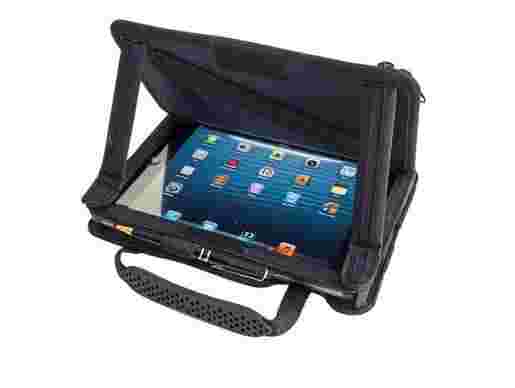
An ATEX tablet case plays an important role in protecting electronic devices used in hazardous industrial environments across the United Kingdom. Industries such as oil and gas, chemical processing, pharmaceuticals, and manufacturing often operate in locations where flammable gases, vapours, or combustible dust may be present. In these conditions, ordinary electronic devices can introduce potential ignition risks. An ATEX tablet case is designed to provide protective features that support the safe use of tablets in demanding workplaces. Its construction, compatibility, and environmental resistance are important considerations for industrial applications. Understanding the purpose of an ATEX tablet case helps organisations evaluate equipment requirements, workplace safety procedures, and operational demands. The following article examines the key characteristics, applications, safety considerations, and maintenance practices associated with ATEX tablet cases in the UK industrial sector.
Introduction to ATEX Tablet Cases
Digital technology has become an important part of modern industrial operations. Tablets are frequently used for equipment inspections, maintenance records, inventory management, and communication between workers.
However, industrial environments can contain hazardous substances that create specific safety challenges. An ATEX tablet case is designed to address certain risks associated with using electronic equipment in potentially explosive atmospheres.
ATEX refers to the European regulatory framework governing equipment intended for use in explosive atmospheres. Although the United Kingdom has its own regulatory arrangements following its departure from the European Union, ATEX-related requirements remain relevant to many industrial applications.
Understanding the Purpose of an ATEX Tablet Case
An ATEX tablet case is designed to provide protective features for tablet computers used in hazardous workplaces.
Depending on its construction and certification, the enclosure may help prevent hazardous environmental conditions from affecting the device or reduce the possibility of ignition.
The specific protection provided depends on the equipment design, certification, and intended operating conditions. Not every protective case offers the same level of safety.
An ordinary rugged tablet case may provide protection against drops, dust, or moisture. However, these features alone do not establish suitability for potentially explosive environments.
The distinction between general ruggedness and hazardous-area protection is particularly important in industrial settings.
Importance in UK Industrial Environments
Several industries across the United Kingdom operate facilities where explosive atmospheres may occur.
Oil and Gas Industry
Oil refineries, gas processing facilities, and offshore installations may contain flammable gases and vapours. Tablets are used for maintenance inspections, equipment monitoring, and operational documentation.
Suitable hazardous-area equipment helps support digital activities while maintaining workplace safety requirements.
Chemical Processing
Chemical manufacturing facilities may handle substances that release flammable vapours or combustible dust.
Workers often use tablets to access technical documents, record measurements, and review process information. Equipment selection must consider the substances present and the classification of the working area.
Manufacturing and Warehousing
Certain manufacturing processes involve combustible dust, solvents, or flammable materials.
In these environments, tablets can support inventory management, production monitoring, and equipment inspections. The required protection depends on the nature of the hazard and the designated area.
Important Features of an ATEX Tablet Case
The characteristics of an ATEX tablet case depend on its intended application and protective design.
Protective Enclosure
The enclosure may be designed to restrict the entry of dust, moisture, or other environmental contaminants.
Its construction must be suitable for the conditions in which the tablet is expected to operate.
Material Selection
Industrial enclosures may use materials selected for durability, chemical resistance, and resistance to environmental exposure.
Material compatibility is important because industrial facilities may involve oils, solvents, cleaning agents, and other substances.
Device Compatibility
An ATEX tablet case must accommodate the dimensions and operating requirements of the tablet.
Screen visibility, touch functionality, charging arrangements, and access to essential controls are important considerations.
Environmental Resistance
Industrial equipment may experience temperature changes, vibration, moisture, and physical impacts.
A protective enclosure should be evaluated according to its specified operating conditions rather than assumed to provide universal protection.
Understanding ATEX Certification
ATEX certification is an important consideration when selecting equipment for hazardous environments.
Equipment intended for explosive atmospheres must meet applicable requirements for its designated use. These requirements may include equipment categories, protection methods, and restrictions relating to gases or combustible dust.
An ATEX tablet case should not automatically be considered certified simply because it is described as industrial-grade or explosion-resistant.
The certification documentation must identify the equipment covered and its permitted operating conditions.
A protective case may also affect the original certification of a tablet. Therefore, the complete equipment configuration must be evaluated rather than considering the enclosure separately.
Factors to Consider When Selecting an ATEX Tablet Case
Several factors influence the suitability of an ATEX tablet case for a particular workplace.
First, the hazardous area classification should be identified. Different areas may require different equipment protection levels.
Second, the type of hazardous substance must be considered. Gas, vapour, and combustible dust environments can have different requirements.
Third, the tablet's intended functions should be evaluated. Workers may require touchscreen access, camera operation, wireless communication, or charging capabilities.
Finally, operating temperatures, exposure to chemicals, and expected physical conditions should be assessed.
These considerations help establish whether the equipment is appropriate for its intended application.
Maintenance and Inspection
Regular inspection is important for maintaining the condition of protective equipment.
Workers should examine the enclosure for cracks, damaged seals, loose components, and signs of deterioration.
Any damage that could affect the protective design should be assessed before the equipment returns to service.
Cleaning procedures should follow the manufacturer's instructions. Incompatible cleaning chemicals may damage enclosure materials or seals.
Maintenance records can help organisations monitor equipment condition and identify recurring problems.
Conclusion
An ATEX tablet case is an important consideration for organisations using digital devices in potentially explosive industrial environments across the United Kingdom.
Its suitability depends on the protective design, certification, hazardous-area classification, and operating conditions.
Understanding these factors helps distinguish ordinary rugged equipment from equipment intended for hazardous environments.
Proper selection, inspection, and maintenance contribute to reliable digital operations while supporting established industrial safety practices.

 Arabic
 French
 Spanish
 Portuguese
 Deutsch
 Turkish
 Dutch
 Italiano
 Russian
 Romaian
 Portuguese (Brazil)
 Greek