


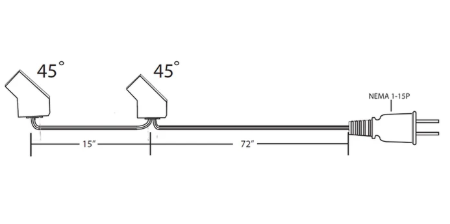
Cooling fans play an important role in maintaining airflow and managing heat in electrical cabinets, server enclosures, industrial equipment, and commercial ventilation systems. However, installing a fan in the correct position sometimes creates a challenge: the existing power cable may not reach the required electrical connection.
A suitable fan extension cord can provide additional cable reach for compatible equipment when permitted by the manufacturer. It can make certain installations more flexible while helping maintain an organized electrical setup.
Before selecting an extension cord, it is important to understand its purpose, electrical requirements, connector compatibility, and limitations.
What Is a Fan Extension Cord?
A fan extension cord is an electrical cable designed to extend the connection between compatible fan equipment and an approved power source.
It can be useful when the original cable does not provide sufficient reach for an installation. Rather than changing the position of the equipment, an appropriate extension may help accommodate the required distance.
However, extension cords are not universal. Different fans have different voltage requirements, current ratings, and connector configurations. The selected cable must be suitable for the connected equipment.
Why Might You Need a Fan Extension Cord?
Several installation situations may require additional cable length.
1. Equipment Installed Away From a Power Connection
In some installations, the fan may be positioned farther from the approved electrical outlet or connection point. An appropriately rated extension cord can help provide the additional reach where its use is permitted.
2. Cooling Fans Inside Electrical Cabinets
Electrical cabinets often contain components that generate heat. Cooling fans help circulate air within these enclosures.
Depending on the cabinet design, the fan and power connection may be positioned at different locations. Suitable cable routing helps keep the installation organized.
3. Server Rack Ventilation
Server racks and equipment enclosures may use cooling fans to support airflow. Cable length and connector compatibility are important considerations when installing or replacing fan connections.
4. Industrial Equipment Installations
Industrial equipment can have specific cable routing and power connection requirements. A compatible extension may provide additional flexibility for certain approved installations.
5. Replacement and Maintenance Work
During equipment maintenance, technicians may discover that an existing cable configuration does not provide enough reach for a replacement component. A suitable extension can be considered if the equipment manufacturer allows it.
What Should You Check Before Buying a Fan Extension Cord?
Choosing an extension cord requires more than measuring the required length. Several technical details should be reviewed.
Electrical Voltage and Current
Check the fan's electrical specifications before selecting an extension. The cable must support the voltage and current requirements of the connected equipment.
Never use an extension cord with an insufficient electrical rating.
Connector Configuration
The connectors must match the fan and the existing power connection. Check the connector shape, pin arrangement, and compatibility requirements.
A cable that looks similar to the original may still have a different electrical configuration.
Cable Length
Measure the distance between the existing cable connection and the required connection point.
Choose a practical length that allows suitable routing without leaving excessive loose cable. Avoid tightly stretching the cable across the installation area.
Cable Insulation
The insulation must be appropriate for the operating environment. Consider temperature exposure, mechanical contact, and other conditions that could affect cable durability.
Manufacturer Recommendations
Always review the fan manufacturer's instructions. Some equipment may not permit the use of an extension cord or may require a specific cable configuration.
How Can a Fan Extension Cord Improve Cable Management?
Proper cable management is important in cooling and ventilation installations. Poorly routed wiring can create unnecessary clutter and make equipment maintenance more difficult.
A suitable extension cord can provide flexibility in positioning compatible equipment. However, the cable must be routed carefully.
Consider these cable management practices:
-
Keep cables away from moving fan blades.
-
Avoid sharp metal edges.
-
Prevent cables from becoming crushed.
-
Keep electrical connections away from excessive heat.
-
Use suitable cable management accessories.
-
Avoid tightly bending or twisting the cable.
-
Keep cables organized and accessible for inspection.
These practices can help maintain a cleaner equipment installation.
What Is the Difference Between a Fan Cord and a Fan Extension Cord?
Although the terms are related, they describe different cable functions.
A fan cord is the cable used to supply power to compatible fan equipment. It may be supplied with the equipment or purchased as an approved replacement.
A fan extension cord provides additional reach between compatible electrical connections. It is intended to extend an existing connection rather than automatically replace the original fan power cable.
Understanding this difference helps when comparing replacement and installation requirements.
Can You Use Any Extension Cord With a Cooling Fan?
No. An ordinary extension cord is not automatically suitable for every cooling fan.
The correct cable depends on the electrical load, voltage, current, connector type, insulation, and manufacturer requirements.
Using an unsuitable extension can create overheating, connection problems, or electrical hazards.
You should also avoid connecting multiple extension cords together or using damaged cables. For permanent equipment installations, follow the approved wiring arrangement instead of depending on temporary extension solutions.
When Should You Replace a Fan Extension Cord?
Extension cords should be inspected regularly, particularly in industrial and equipment installations.
Replace a cable if you notice:
-
Cracked or damaged insulation.
-
Exposed internal conductors.
-
Loose connectors.
-
Burn marks or discoloration.
-
Signs of overheating.
-
Damaged plugs.
-
Intermittent electrical connections.
Disconnect the equipment before inspecting the cable. If you are unsure about the cause of a connection problem, consult a qualified professional.
Are Custom Fan Cords a Better Option for Specific Installations?
Sometimes, a standard extension cable does not match the connector or length requirements of a specialized cooling system.
Custom fan cords can provide alternative configurations for compatible applications. They may be useful when an installation requires a particular cable length or connector arrangement.
When considering a custom option, provide accurate technical details, including:
-
Fan manufacturer and model.
-
Voltage and current requirements.
-
Required cable length.
-
Connector configuration.
-
Installation environment.
-
Manufacturer-approved cable specifications.
Providing these details helps identify an appropriate configuration.
How Do You Maintain Fan Extension Cords?
Regular maintenance helps identify potential cable problems before they affect equipment operation.
Inspect cables for physical damage and ensure connectors remain in good condition. Keep wiring away from areas where it may be pulled, crushed, or exposed to excessive heat.
Avoid placing extension cords under heavy equipment or routing them through areas with frequent movement.
Always disconnect power before handling electrical connections.
Where Can You Find Custom Fan Cord Options?
Choosing the correct cable helps support dependable cooling and ventilation installations. GardTec Online offers custom fan cord options for different equipment and power connection requirements.
Whether you are planning an equipment installation, replacing an existing cable, or reviewing suitable cord configurations, it is important to compare the available options with your equipment specifications.

 English
 Arabic
 French
 Spanish
 Portuguese
 Deutsch
 Turkish
 Dutch
 Italiano
 Romaian
 Portuguese (Brazil)
 Greek