


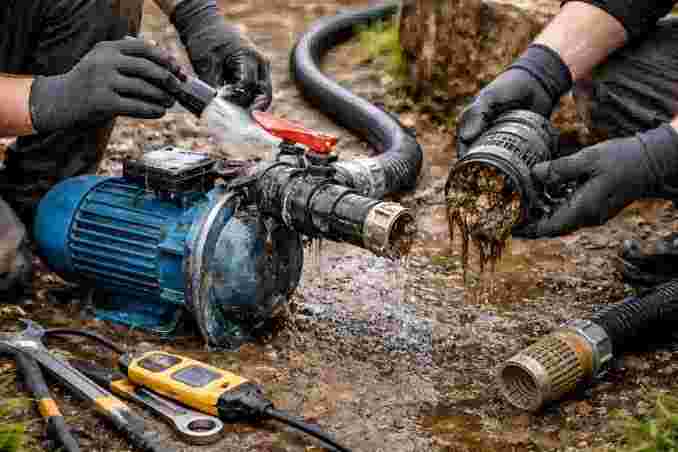
A properly functioning water pump is essential for maintaining a reliable water supply in residential properties. Whether it supplies water from a storage tank, supports household plumbing, or operates a garden irrigation system, a pump helps keep everyday activities running smoothly. When it stops working correctly, homeowners may experience low water pressure, interrupted water flow, unusual noises, or complete equipment failure.
Some minor pump problems can be identified through basic inspections and routine maintenance. However, more complicated issues involving electrical wiring, motor components, and internal mechanical parts require professional attention. Understanding the difference between simple maintenance and technical repairs can help homeowners avoid unnecessary expenses while protecting their equipment.
Before attempting any troubleshooting, it is important to understand how the pump operates, recognize common warning signs, and follow appropriate safety precautions.
Understanding Common Water Pump Problems
Water pumps contain several components that work together to move water through a plumbing system. Depending on the equipment, these may include an electric motor, impeller, pressure switch, intake filter, valves, and connecting pipes.
A malfunction in any of these components can affect pump performance.
Some common problems include:
-
Low water pressure: May result from clogged filters, leaking pipes, or incorrect pressure settings.
-
Pump not starting: Could involve an interrupted power supply, faulty switch, or motor problem.
-
Pump running without delivering water: May indicate a loss of prime, blocked intake, or insufficient water supply.
-
Frequent cycling: Can be associated with pressure-control problems, leaks, or an incorrectly sized pressure tank.
-
Unusual noises: Grinding, humming, or excessive vibration may indicate mechanical wear or motor-related issues.
-
Water leakage: Damaged seals, loose connections, or deteriorated pipes may allow water to escape.
Identifying the symptoms helps narrow down the possible causes before deciding what action is appropriate.
Safety Precautions Before Inspecting a Water Pump
Water pumps combine electricity, moving mechanical parts, and water pressure. Improper handling can create serious hazards, particularly when electrical components are exposed to moisture.
Before performing any permitted inspection:
-
Switch off the pump using its designated power control.
-
Disconnect the electrical supply at the appropriate isolator or breaker.
-
Follow the manufacturer's instructions for safely isolating the equipment.
-
Allow the motor to cool if it has been operating continuously.
-
Relieve stored water pressure using the manufacturer's recommended procedure.
-
Keep the surrounding area dry and avoid touching exposed electrical connections.
Never work on live wiring, open a motor housing, or dismantle electrical controls unless properly qualified. If there is a burning smell, damaged wiring, repeated breaker tripping, or water near electrical components, stop and contact a professional.
Basic Troubleshooting Homeowners Can Perform
Homeowners can often identify simple external problems without dismantling the pump. The following checks are suitable starting points when performed according to the manufacturer's instructions.
1. Check the Water Supply
Begin by confirming that the water source contains enough water. If the pump draws from a storage tank, well, or reservoir, insufficient water may prevent normal operation.
Also check whether the intake is positioned correctly and remains submerged where required. Never allow a pump to run dry unless it is specifically designed for dry operation.
2. Inspect External Pipes and Connections
Visible leaks can reduce system pressure and interfere with normal water delivery. Examine accessible pipe connections, fittings, and valves for signs of dripping or moisture.
A loose external fitting may require attention, but damaged pipes, pressurized connections, and complicated plumbing repairs should be handled by an experienced professional.
3. Examine Accessible Filters
Filters and strainers help prevent dirt, sand, and debris from entering the pump. Over time, accumulated material can restrict water movement.
If the equipment has an externally accessible filter designed for homeowner maintenance, clean or replace it according to the manufacturer's instructions. Avoid opening sealed pump components.
4. Review the Pressure Gauge
Some residential water systems include a pressure gauge that displays operating pressure. An unusually low or fluctuating reading may indicate a leak, restricted intake, pressure-control issue, or pump malfunction.
Record the reading and compare it with the manufacturer's recommended operating range. Do not adjust pressure switches or internal controls without the necessary technical knowledge.
When Does a Water Pump Need Professional Repair?
Basic troubleshooting may reveal obvious external problems, but internal pump failures require specialized knowledge.
For homeowners researching how to repair water pump at home, understanding the limits of DIY work is especially important. Electrical faults, damaged motors, worn impellers, defective capacitors, and faulty pressure switches can involve hazardous components.
A qualified pump technician can perform several diagnostic procedures, including:
-
Testing the electrical supply and motor operation.
-
Inspecting pressure switches and control equipment.
-
Evaluating the intake line for air leaks.
-
Checking internal components for wear or damage.
-
Measuring water pressure and flow performance.
-
Identifying the cause of overheating or repeated shutdowns.
Professional diagnosis helps ensure that the underlying problem is corrected instead of relying on temporary solutions.
Common DIY Mistakes That Can Damage a Water Pump
Attempting an unsuitable repair can turn a minor problem into an expensive equipment failure.
Homeowners should avoid these common mistakes:
Running the pump without water: Certain pumps can overheat or suffer internal damage when operated without adequate water.
Ignoring unusual sounds: Persistent grinding, rattling, or humming may indicate a mechanical or electrical fault.
Repeatedly resetting circuit breakers: A breaker that continues to trip may indicate an electrical problem requiring professional investigation.
Changing pressure settings without guidance: Incorrect adjustments can cause frequent cycling, excessive pressure, or poor system performance.
Using incompatible replacement parts: Incorrect seals, filters, or other components may affect pump operation and reliability.
Opening electrical housings: Internal electrical repairs should be left to qualified technicians.
Avoiding these mistakes can help protect the equipment and reduce unnecessary repair expenses.
Preventive Maintenance Tips for Better Pump Performance
Regular maintenance helps identify developing problems before they cause major interruptions. The correct maintenance schedule depends on the pump type, water source, operating frequency, and manufacturer recommendations.
Homeowners can support reliable performance by following a few practical habits:
-
Inspect visible pipe connections for leaks.
-
Clean accessible filters as recommended.
-
Keep the pump area clean and adequately ventilated.
-
Monitor unusual noises and vibrations.
-
Protect exposed pipes from freezing temperatures.
-
Check the water source regularly.
-
Schedule periodic professional inspections.
Keeping a record of maintenance visits and previous repairs can also help technicians identify recurring problems and evaluate the overall condition of the equipment.
Should You Repair or Replace an Old Water Pump?
Not every malfunction requires a new pump. Repair may be the more economical option when the problem involves a replaceable component and the remaining equipment is in good condition.
However, replacement may be worth considering when the pump experiences repeated breakdowns, severe corrosion, extensive motor damage, or increasingly expensive repairs.
Before choosing a replacement, evaluate the required flow rate, operating pressure, water source, energy consumption, and compatibility with existing plumbing. Selecting the correct pump capacity is important for maintaining consistent water delivery.
A professional assessment can help determine whether repairing the existing equipment or installing a replacement offers better long-term value.
Conclusion
Water pump problems can involve simple external issues or more complicated electrical and mechanical failures. Checking the water supply, inspecting accessible pipes, and maintaining external filters are reasonable starting points for homeowners. However, internal repairs and electrical troubleshooting should be handled by qualified professionals.
Understanding how to repair water pump at home safely means knowing which basic maintenance tasks are appropriate and when expert assistance is necessary. With regular inspections, responsible troubleshooting, and timely professional service, homeowners can support reliable water delivery and extend the useful life of their pumping equipment.

 English
 Arabic
 French
 Spanish
 Portuguese
 Turkish
 Dutch
 Italiano
 Russian
 Romaian
 Portuguese (Brazil)
 Greek