


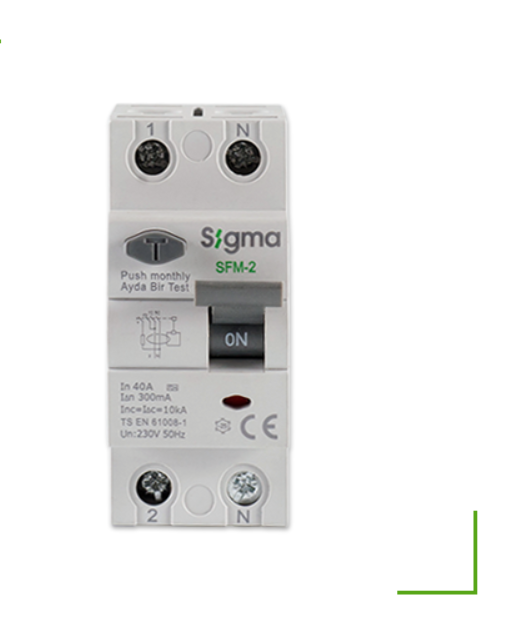
Residual Current Circuit Breaker and Mini Circuit Breaker
Electrical safety is important in homes, offices, commercial buildings, and industrial facilities. Every electrical system needs proper protection to reduce the risk of electric shocks, short circuits, and electrical fires. Different types of circuit breakers are designed to protect electrical installations from specific faults.
Two commonly used electrical protection devices are the residual current circuit breaker and the mini circuit breaker. Although both improve electrical safety, they perform different functions. Understanding their features and applications can help electricians, engineers, contractors, and property owners select suitable protection devices.
In this guide, we will explain how these circuit breakers work, their differences, and where they are commonly used.
What Is a Residual Current Circuit Breaker?
A residual current circuit breaker (RCCB) is an electrical safety device designed to detect leakage current in an electrical installation. It monitors the current flowing through the live and neutral wires and identifies differences between them.
When an electrical leakage occurs, some current may flow through an unintended path, such as the body of a person or an exposed conductive surface. The RCCB detects this imbalance and disconnects the electrical supply to reduce the risk of electric shock.
Main Features of a Residual Current Circuit Breaker
Some important features include:
-
Leakage Current Protection: Detects current leakage in electrical circuits.
-
Electric Shock Protection: Helps reduce the risk of serious electric shocks.
-
Fast Disconnection: Disconnects the supply when leakage exceeds its rated sensitivity.
-
Electrical Safety: Improves protection in residential and commercial installations.
-
Different Ratings: Available with different current ratings and residual operating sensitivities.
Common Applications of RCCBs
Residual current protection devices are commonly installed in:
-
Residential electrical distribution boards.
-
Bathrooms and kitchens.
-
Commercial buildings.
-
Offices and shopping centres.
-
Industrial electrical installations.
-
Outdoor electrical circuits.
An important point is that an RCCB does not normally provide overload or short-circuit protection. It should be used with an appropriate overcurrent protection device unless a combined protective device is selected.
What Is a Mini Circuit Breaker?
A mini circuit breaker, commonly known as an MCB, is an automatic electrical protection device that protects circuits against overloads and short circuits.
When excessive current flows through a circuit, the MCB automatically trips and interrupts the electrical supply. This helps prevent overheating, equipment damage, and potential electrical fires.
MCBs are commonly used in modern electrical distribution systems because they offer reliable protection and can be reset after the fault has been identified and corrected.
Main Features of a Mini Circuit Breaker
Important features of an MCB include:
-
Overload Protection: Disconnects the circuit when current exceeds its rated capacity for a specified period.
-
Short Circuit Protection: Interrupts excessive fault current.
-
Automatic Operation: Trips automatically when an electrical fault occurs.
-
Easy Resetting: Can be switched back on after resolving the problem.
-
Different Current Ratings: Available in different ampere ratings for various electrical applications.
Common Applications of MCBs
Mini circuit breakers are widely used in:
-
Residential electrical panels.
-
Commercial buildings.
-
Industrial distribution boards.
-
Lighting circuits.
-
Air conditioning systems.
-
Electrical equipment and machinery.
Difference Between Residual Current Circuit Breaker and Mini Circuit Breaker
Although both devices protect electrical installations, their working principles and protection functions are different.
| Features | Residual Current Circuit Breaker (RCCB) | Mini Circuit Breaker (MCB) |
|---|---|---|
| Main Function | Detects electrical leakage current | Protects against overloads and short circuits |
| Protection Type | Residual current protection | Overcurrent protection |
| Electric Shock Protection | Helps protect against certain electric shocks | Does not provide residual current protection |
| Overload Protection | Not normally available | Available |
| Short Circuit Protection | Not normally available | Available |
| Working Principle | Detects imbalance between live and neutral currents | Detects excessive current |
| Common Applications | Leakage protection circuits | Lighting, sockets, and electrical appliances |
| Resetting | Can be reset after checking the fault | Can be reset after resolving the fault |
How Do RCCBs and MCBs Work Together?
RCCBs and MCBs can work together to provide more complete electrical protection. Each device performs a separate function, helping protect electrical installations against different types of faults.
For example, an MCB protects a circuit from excessive current caused by an overload or short circuit. An RCCB detects leakage current and disconnects the supply when it identifies an unsafe electrical imbalance.
Using both devices in a properly designed electrical distribution system provides two important types of protection.
Modern electrical installations may also use RCBOs, which combine residual current protection and overcurrent protection in a single device.
Types of Mini Circuit Breakers
Mini circuit breakers are available in different tripping characteristics. The selection depends on the electrical load and application.
1. Type B MCB
Type B MCBs generally trip when the current reaches approximately 3 to 5 times their rated current. They are commonly suitable for residential lighting and general-purpose circuits.
2. Type C MCB
Type C MCBs generally trip at approximately 5 to 10 times their rated current. They are frequently used for commercial applications and equipment with moderate starting currents.
3. Type D MCB
Type D MCBs generally trip at approximately 10 to 20 times their rated current. They are designed for applications with high initial starting currents, such as certain industrial motors and transformers.
The correct selection depends on the load characteristics, cable capacity, fault levels, and applicable electrical standards.
Important Factors When Choosing an RCCB or MCB
Selecting the correct circuit breaker is essential for electrical safety and reliable system performance. Consider the following factors before choosing a device.
1. Electrical Load Requirements
Calculate the expected electrical load before selecting a circuit breaker. The rated current should be suitable for the circuit and its wiring.
2. Protection Requirements
Identify the type of protection required. Choose an RCCB for residual current protection and an MCB for overload and short-circuit protection.
3. Current Rating
Always select a suitable current rating according to the electrical installation and applicable standards.
4. Breaking Capacity
The breaking capacity of an MCB should be suitable for the prospective short-circuit current at the installation point.
5. Quality and Reliability
Choose electrical protection devices that meet recognised safety standards and are suitable for the intended application.
6. Professional Installation
Circuit breakers should be installed and tested by qualified electricians. Incorrect installation or unsuitable ratings can reduce protection and create electrical hazards.
Why Is Electrical Protection Important?
Electrical faults can cause serious damage to buildings, appliances, machinery, and electrical equipment. Without proper protection, excessive current or electrical leakage may create dangerous conditions.
Using suitable protection devices offers several benefits:
-
Reduces electrical safety risks.
-
Helps prevent equipment damage.
-
Protects electrical wiring from excessive current.
-
Improves electrical system reliability.
-
Supports safer residential and commercial environments.
-
Helps maintain proper electrical distribution.
Regular inspection and maintenance are also important to ensure that electrical protection devices operate correctly.
Conclusion
Both the residual current circuit breaker and mini circuit breaker play important roles in modern electrical installations. However, they provide different types of protection. An RCCB detects leakage current and helps protect people against certain electric shock hazards, while an MCB protects electrical circuits against overloads and short circuits.
Understanding their functions, ratings, and applications makes it easier to select suitable electrical protection devices. For better electrical safety, both devices should be selected and installed according to the requirements of the electrical system and applicable safety standards.
Frequently Asked Questions (FAQs)
1. What is the main difference between an RCCB and an MCB?
An RCCB detects leakage current and helps reduce electric shock risks, while an MCB protects electrical circuits against overloads and short circuits.
2. Does an RCCB protect against short circuits?
A standard RCCB does not provide short-circuit protection. It needs suitable overcurrent protection, such as an MCB.
3. Can an RCCB and MCB be used together?
Yes. They can be installed together to provide residual current, overload, and short-circuit protection.
4. Where are mini circuit breakers commonly used?
MCBs are commonly installed in homes, offices, commercial buildings, and industrial electrical distribution panels.
5. Which MCB type is suitable for residential applications?
Type B MCBs are commonly used for residential lighting and general-purpose circuits. However, the correct type depends on the load and installation requirements.
6. Why is an RCCB important for electrical safety?
An RCCB detects leakage current and quickly disconnects the electrical supply when the detected imbalance reaches its operating threshold, helping reduce electric shock risks.

 English
 French
 Spanish
 Portuguese
 Deutsch
 Turkish
 Dutch
 Italiano
 Russian
 Romaian
 Portuguese (Brazil)
 Greek