


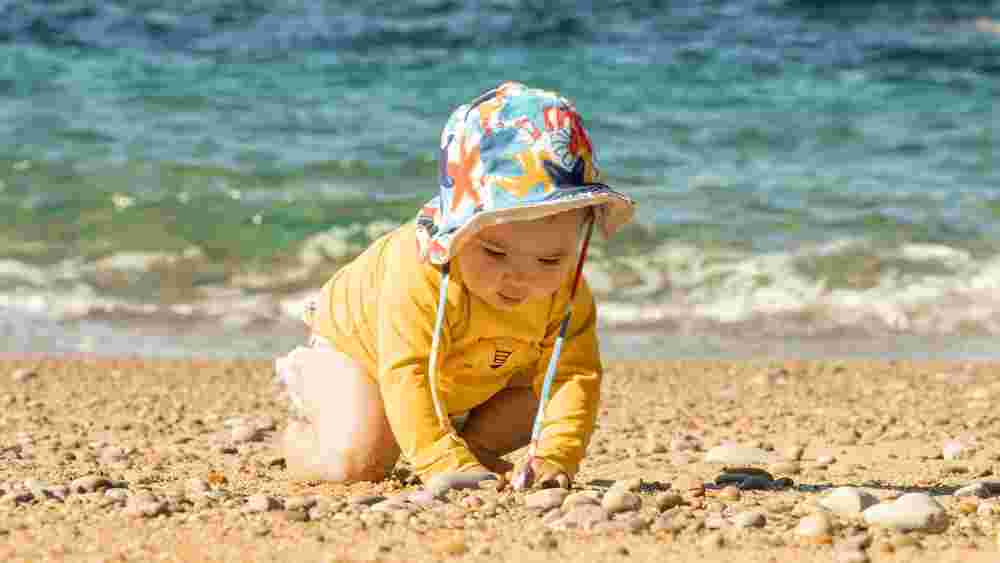
Babies have delicate skin and developing body systems, which makes them more sensitive to sunlight and high temperatures. Unlike adults, infants cannot regulate their body temperature as effectively or communicate when they feel too hot. This makes sun protection and heat safety especially important during summer, particularly in hot climates like Dubai and the UAE.
Parents need to understand how to choose suitable sunscreen, prevent sunburn, maintain proper feeding, and recognize early signs of overheating. Simple precautions, such as using shade, dressing babies in lightweight clothing, and avoiding direct sunlight, can help protect their health and comfort.
Why Sun and Heat Protection Are Important for Babies
A baby's skin is thinner and more sensitive than adult skin. Direct exposure to ultraviolet (UV) radiation can cause sunburn, irritation, and skin damage. High temperatures can also increase the risk of dehydration, heat rash, and heat-related illnesses.
Babies under six months need extra protection because their skin and temperature-regulation systems are still developing. Parents should avoid unnecessary outdoor exposure and keep infants away from direct sunlight.
Understanding the Risks of Sun Exposure
Sunlight contains UVA and UVB rays that can affect the skin. UVB rays are a major cause of sunburn, while UVA rays contribute to long-term skin damage. Even on cloudy days, harmful UV radiation can reach exposed skin.
Parents should use protective clothing, stroller shades, and suitable sunscreen according to their baby's age.
When Can Babies Start Using Sunscreen?
Sunscreen recommendations depend on the baby's age. Parents should select products carefully and follow pediatric guidance.
Sunscreen for Babies Under Six Months
For newborns and infants under six months, shade and protective clothing are the preferred ways to prevent sun exposure. Keep babies away from direct sunlight, especially during the hottest hours.
If adequate shade and clothing are unavailable, std test at home a small amount of sunscreen may be considered on limited exposed areas after consulting a healthcare professional.
Sunscreen for Babies Over Six Months
Babies older than six months can generally use broad-spectrum sunscreen with SPF 30 or higher. Choose a water-resistant product designed for sensitive skin.
Choosing Mineral Sunscreen
Mineral sunscreen containing zinc oxide or titanium dioxide is often a suitable option for babies with sensitive skin. These ingredients provide protection against harmful UV rays and are commonly used in gentle sunscreen formulations.
How to Apply Sunscreen Correctly
Apply sunscreen evenly to exposed areas, including the hands, feet, face, and neck. Follow the product instructions and reapply at least every two hours, as well as after swimming, sweating, or towel drying.
Avoid applying sunscreen near the eyes and mouth. Remember that sunscreen should support other sun protection methods rather than replace shade and protective clothing.
Practical Ways to Protect Babies from Direct Sunlight
Protecting babies from UV radiation requires more than applying sunscreen. Parents should combine several safety measures during outdoor activities.
Use Protective Clothing and Hats
Dress babies in lightweight, breathable clothing that covers their arms and legs. UPF-rated clothing offers additional protection against ultraviolet radiation. A wide-brimmed hat can protect the face, ears, and neck.
Choose Safe Outdoor Times
Avoid taking babies outside during peak sunlight hours, usually between 10 a.m. and 4 p.m. when UV exposure can be particularly strong. Early mornings and cooler evenings are generally better for short outdoor activities.
Use Stroller Shades Safely
A stroller canopy can provide useful shade during walks. However, never cover a stroller with a thick blanket because it can trap heat and reduce airflow. Always maintain proper ventilation and check your baby's comfort.
Essential Heat Safety Tips for Babies in Dubai
Dubai's hot weather requires additional precautions because high temperatures and humidity can make outdoor activities uncomfortable and potentially dangerous for infants.
Dress Babies in Lightweight Clothing
Choose loose-fitting cotton clothing and avoid unnecessary layers. Check your baby's neck or chest to determine whether they feel too warm. Sweaty skin, flushed cheeks, and unusual restlessness may indicate overheating.
Maintain a Comfortable Indoor Temperature
Keep your home cool and well ventilated. Air conditioning can help maintain a comfortable environment, but avoid directing cold air directly toward your baby.
Maintain Regular Feeding
Breast milk and correctly prepared infant formula provide the fluids babies need. Offer regular feeds, especially during hot weather. Babies under six months generally do not need additional plain water unless a healthcare professional recommends it.
Never Leave a Baby in a Parked Car
A parked vehicle can become dangerously hot within minutes, even when the windows are slightly open. Never leave a baby unattended inside a car, even for a short period.
Signs of Overheating and Dehydration in Babies
Recognizing early warning signs can help parents respond quickly and prevent serious health complications.
Common Symptoms of Overheating
Watch for warm skin, excessive sweating, flushed cheeks, rapid breathing, unusual crying, and irritability. Babies may also become unusually tired or feed less than normal.
Warning Signs of Dehydration
Dehydration occurs when the body loses more fluid than it receives. Common signs include:
-
Fewer wet diapers than usual.
-
Dry mouth and lips.
-
Reduced tears when crying.
-
Poor feeding.
-
Unusual sleepiness.
-
A sunken soft spot on the head.
Parents should seek medical advice if they notice these symptoms, especially when several occur together.
When Heatstroke Becomes an Emergency
Heatstroke is a serious medical emergency. Warning signs include very high body temperature, seizures, difficulty breathing, reduced responsiveness, or loss of consciousness.
Call emergency services immediately if you suspect heatstroke. Move the baby to a cooler place and begin gentle cooling while waiting for medical assistance. Do not delay emergency care.
How to Prevent Baby Heat Rash and Sunburn
Heat rash develops when sweat becomes trapped in the skin, causing small red bumps and irritation. It commonly appears around the neck, chest, back, and skin folds.
Parents can reduce the risk by keeping the baby's skin cool and dry, choosing breathable clothing, and avoiding excessive layers. A cool, damp cloth can help soothe mild irritation.
Sunburn can cause redness, tenderness, and swelling. Protect babies from further sunlight and seek medical advice if the skin becomes severely painful, blistered, or swollen.
Creating a Safe Summer Routine for Your Baby
A simple daily routine can make summer care easier for parents.
In the morning, check the weather and UV index before planning outdoor activities. Dress your baby appropriately and use age-appropriate sun protection.
During the afternoon, keep your baby indoors in a cool environment. Maintain regular feeding and monitor the baby's skin and temperature.
In the evening, choose shaded walking areas and avoid prolonged outdoor exposure if temperatures remain high.
Keep essential supplies ready, including a baby hat, protective clothing, diapers, feeding supplies, sunscreen for eligible infants, and a thermometer.
How Professional Pediatric Healthcare Can Help
Parents should arrange a pediatric assessment if their baby develops persistent skin irritation, feeding difficulties, unexplained fever, or signs of dehydration.
Professional healthcare support can help identify health concerns and provide guidance on infant care. Parents who need convenient medical assistance can explore Lab Testing at Home in Dubai when a healthcare professional recommends appropriate laboratory investigations.
A doctor may also recommend a blood test at home when testing is clinically necessary to investigate specific health concerns. However, routine blood tests are not required simply because a baby has experienced normal sun exposure.
For age-appropriate preventive healthcare, parents can also discuss vaccination schedules and other recommended services with a pediatrician. Similarly, std test at home services are relevant only when clinically indicated and are not part of routine baby sun or heat safety.
Frequently Asked Questions
1. Can I Apply Sunscreen to My Newborn Baby?
Babies under six months should primarily be protected through shade, protective clothing, and avoiding direct sunlight. Consult a pediatrician before applying sunscreen to small exposed areas.
2. What Is the Safest Sunscreen for Babies?
For babies over six months, choose broad-spectrum SPF 30 or higher. Mineral sunscreen containing zinc oxide or titanium dioxide is often a suitable choice for sensitive skin.
3. How Can I Tell If My Baby Is Overheating?
Common signs include warm skin, excessive sweating, flushed cheeks, rapid breathing, irritability, and unusual tiredness. Seek medical advice if symptoms persist or worsen.
4. How Can I Protect My Baby from Dubai's Summer Heat?
Keep your baby in shaded or air-conditioned environments, use lightweight clothing, maintain regular breastfeeding or formula feeding, and avoid outdoor activities during peak sunlight hours.
5. When Should I Take My Baby to a Doctor After Heat Exposure?
Seek medical advice if your baby develops poor feeding, fewer wet diapers, persistent vomiting, or unusual tiredness. Suspected heatstroke, seizures, breathing difficulties, or reduced responsiveness require immediate emergency medical attention.
Conclusion
Protecting babies from sunlight and extreme heat requires consistent attention and simple daily precautions. Parents should choose age-appropriate sunscreen, provide shade, use breathable clothing, maintain regular feeding, and monitor signs of overheating and dehydration.
Understanding these precautions helps families enjoy outdoor activities more safely while protecting their baby's delicate skin and overall health. When concerning symptoms appear, professional pediatric guidance can help parents make informed decisions and ensure their baby receives appropriate care.

 Arabic
 French
 Spanish
 Portuguese
 Deutsch
 Turkish
 Dutch
 Italiano
 Russian
 Romaian
 Portuguese (Brazil)
 Greek