


Samsung washing machines are designed to make laundry easier with advanced technology, convenient washing cycles, and efficient cleaning performance. However, like other household appliances, Samsung washers can occasionally display error codes when something goes wrong. One issue that many homeowners encounter is the Samsung washer SE error code. When this code appears, it can interrupt the washing cycle, leave clothes soaking wet, and create frustration for anyone relying on the appliance.
Understanding what the Samsung washer SE error code means, why it appears, and how to resolve it can help you restore your washing machine's normal operation. In many Samsung washer models, the SE error code indicates a drainage-related problem. Some models may display a similar code as 5E, which can look like SE on the digital display. The exact meaning can vary depending on the model, so checking the manufacturer's documentation is always recommended.
This guide explains the common causes of the Samsung washer SE error code, practical troubleshooting methods, professional repair options, and maintenance tips to help prevent future problems.
The Samsung Washer SE Error Code generally indicates that the washing machine is experiencing difficulty draining water properly. During a normal washing cycle, the washer pumps used water out through its drainage system before moving to the next stage.
If the water cannot drain within the expected time, the machine may stop the cycle and display an error code.
This issue can occur because of several problems, including:
-
A clogged drain pump filter.
-
A blocked or bent drain hose.
-
A malfunctioning drain pump.
-
Foreign objects trapped inside the drainage system.
-
Electrical or control board problems.
-
Excessive detergent residue or debris.
When the drainage system cannot remove water effectively, the washing machine may remain stuck during the rinse or spin cycle.
Identifying the underlying cause is the first step toward fixing the problem. Several components can affect the drainage performance of a Samsung washing machine.
A clogged drain pump filter is one of the most common reasons for drainage problems. During regular washing, small objects such as coins, buttons, lint, hair, and fabric fibers can collect inside the filter.
Over time, this debris can restrict water movement and prevent the washer from draining properly.
Possible symptoms include:
-
Water remaining inside the drum.
-
Slow drainage during washing cycles.
-
Unusual humming sounds near the pump.
-
Repeated SE or 5E error messages.
Solution: Turn off and unplug the washing machine. If your model has an accessible pump filter, follow the manufacturer's instructions to remove and clean it. Keep a shallow container and towels nearby because residual water may escape. Reinstall the filter securely before operating the appliance.
The drain hose carries wastewater from the washing machine to the household drainage system. If the hose becomes bent, twisted, clogged, or incorrectly installed, water may not flow out properly.
A blocked drain hose can trigger the SE error code even when the drain pump is working correctly.
Solution: Inspect the visible portion of the drain hose for bends, crushing, or obstructions. Make sure the hose is installed according to the manufacturer's recommended height and positioning. If an internal blockage is suspected, a technician can inspect and clear the hose safely.
The drain pump is responsible for pushing wastewater out of the washing machine. If the pump becomes damaged, worn, or obstructed, it may not remove water efficiently.
Common warning signs include humming noises, incomplete drainage, or a washer that stops before completing its cycle.
Solution: A qualified appliance repair technician can test the pump, inspect its electrical connections, and determine whether cleaning or replacement is necessary. A damaged pump may need to be replaced with a compatible component.
Small items left inside pockets can enter the washing machine and become trapped in the pump filter, pump housing, or drainage hose.
Coins, hairpins, buttons, and small pieces of fabric can restrict water movement or interfere with pump operation.
Solution: Inspect the accessible filter according to the owner's manual. If an object is trapped deeper inside the pump assembly, professional assistance may be necessary to remove it without damaging internal components.
Although drainage restrictions are common causes of the SE error code, electrical faults can sometimes affect the operation of the drain pump.
A damaged wiring connection, faulty sensor, or electronic control board malfunction may prevent the washing machine from operating its drainage system correctly.
Solution: Electrical components should be inspected by a qualified technician. Professional testing can determine whether the issue involves the wiring, pump circuit, sensor, or main control board.
Before scheduling a repair appointment, homeowners can perform a few basic checks. Always prioritize safety and follow the instructions for your specific Samsung washer model.
Step 1: Turn Off the Washing Machine
Stop the washing cycle and switch off the appliance. Disconnect the power before inspecting accessible filters or hoses. Never handle internal electrical components while the washer is connected to electricity.
Step 2: Check the Drain Hose
Look behind the washing machine and examine the drain hose. Make sure it is not bent, twisted, crushed, or visibly blocked.
Correcting a simple hose obstruction may restore normal drainage.
Step 3: Clean the Drain Pump Filter
If your Samsung washer has an accessible drain pump filter, locate it according to the owner's manual. Carefully drain any remaining water using the emergency drain tube if provided.
Remove the filter, clean away accumulated debris, and reinstall it securely.
Step 4: Check for Visible Drainage Obstructions
Inspect accessible drainage connections for visible blockages. Avoid forcing tools into the hose or pump because this can damage internal components.
Step 5: Perform a Power Reset
After completing the basic checks, reconnect the washing machine and run an appropriate test or drain cycle according to the manufacturer's instructions.
A power reset may clear a temporary electronic interruption, but it will not repair a physical blockage or defective pump.
Step 6: Monitor the Washing Machine
Observe whether the washer drains water normally. If the SE error code returns, the problem may involve the drain pump, wiring, sensor, or another internal component that requires professional diagnosis.
Some drainage problems can be resolved through basic cleaning and inspection. However, persistent SE error messages may indicate a more complicated appliance malfunction.
You should consider professional repair services if:
-
The washing machine continues displaying the SE error code.
-
Water remains inside the drum after cleaning the filter.
-
The drain pump makes loud or unusual noises.
-
The washer stops repeatedly during the rinse or spin cycle.
-
The appliance leaks water around the pump area.
-
The washing machine does not respond to basic troubleshooting.
-
Electrical components appear damaged or produce burning smells.
Professional technicians have the diagnostic tools and experience needed to identify the source of the problem. They can inspect the drain pump, internal hoses, wiring connections, and electronic control system.
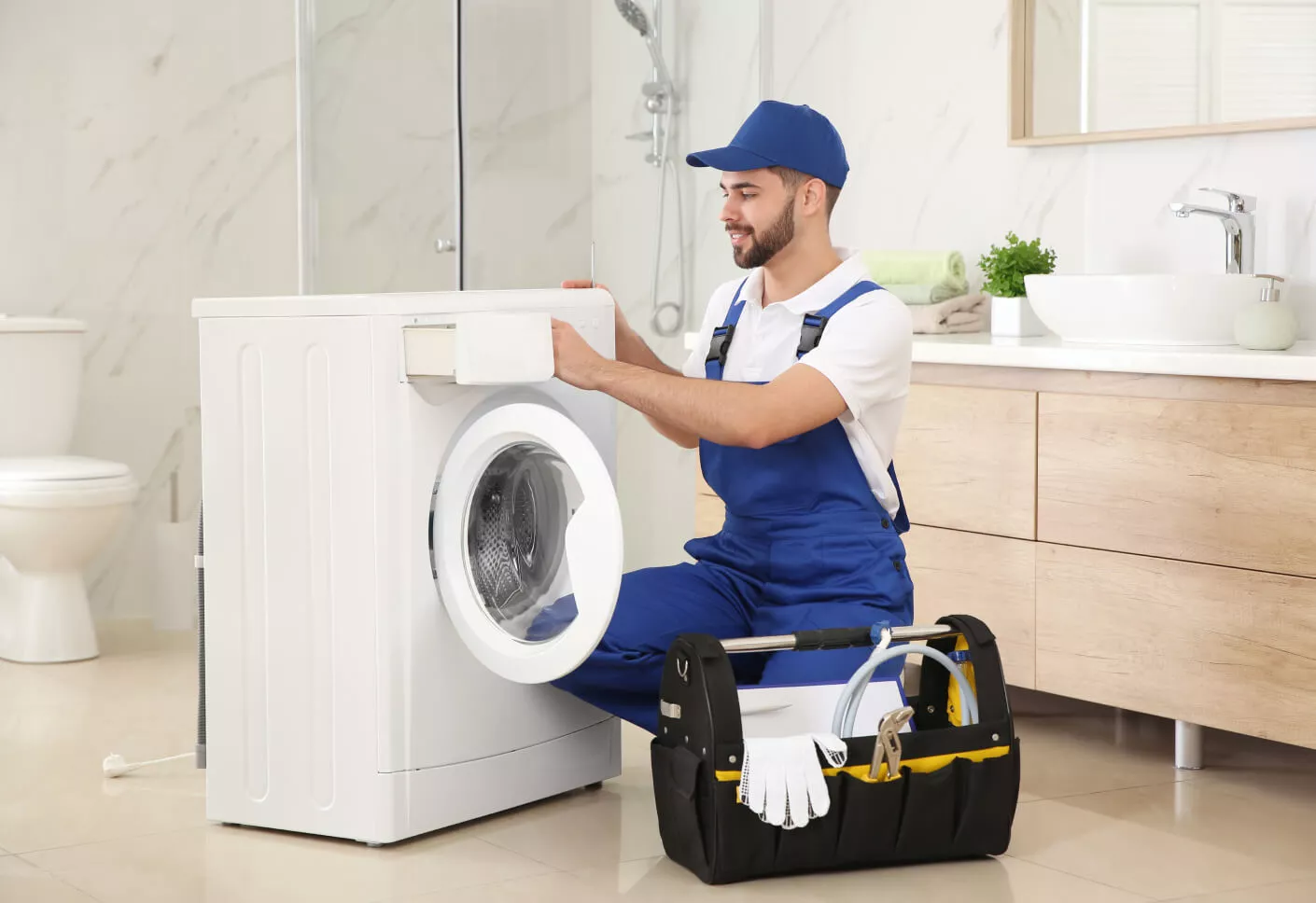
When basic troubleshooting does not solve the problem, professional Samsung washing machine repair services can provide a more comprehensive solution.
Depending on the diagnosis, repair services may include:
-
Drain pump inspection and replacement.
-
Drain pump filter cleaning.
-
Drain hose cleaning and replacement.
-
Removal of foreign objects from the drainage system.
-
Electrical connection inspection.
-
Drainage sensor troubleshooting.
-
Control board diagnostics.
-
Complete washing machine performance testing.
A qualified technician should explain the problem, recommend the necessary repair, and provide an estimate before replacing components.
Using genuine Samsung parts when available, or properly compatible replacement components, can help maintain reliable appliance performance.
Regular washing machine maintenance can reduce the risk of drainage problems and help extend the appliance's useful lifespan.
Here are some practical maintenance tips:
-
Clean the drain pump filter regularly according to the owner's manual.
-
Check clothing pockets before placing items inside the washer.
-
Avoid overloading the washing machine.
-
Use the recommended detergent type and quantity.
-
Inspect the drain hose for bends and visible obstructions.
-
Remove lint and debris from accessible drainage areas.
-
Follow the manufacturer's cleaning cycle recommendations.
-
Address unusual pump noises as soon as they appear.
-
Keep the washing machine properly installed and level.
-
Schedule professional servicing if drainage problems occur repeatedly.
These simple steps can help maintain proper drainage and reduce unnecessary strain on washing machine components.
It is generally not recommended to continue running a washing machine that repeatedly displays the SE error code. If water cannot drain properly, the washer may remain stuck during its cycle, and repeated operation could place additional strain on the drainage system.
Stop the cycle and check the accessible drainage components. If the problem continues, disconnect the appliance and arrange professional inspection.
Do not attempt to disassemble the pump or work on electrical components without the necessary training.
The Samsung washer SE error code is commonly associated with drainage problems that prevent wastewater from leaving the washing machine properly. A clogged pump filter, blocked drain hose, faulty drain pump, trapped foreign objects, or electrical malfunction can all contribute to this issue.
Fortunately, many drainage problems can be resolved through proper inspection, filter cleaning, and hose maintenance. However, persistent error messages may require professional troubleshooting and component replacement.
Understanding the common causes and reliable repair methods can help homeowners respond quickly when the SE error code appears. By maintaining the drainage system, avoiding overloading, and scheduling timely professional repairs, you can improve your Samsung washing machine's performance and reduce the chances of recurring problems.
Whether your washer needs a simple filter cleaning or a complete drain pump repair, addressing the issue promptly is the best way to restore normal washing cycles and keep your laundry routine running smoothly.

 Arabic
 French
 Spanish
 Portuguese
 Deutsch
 Turkish
 Dutch
 Italiano
 Russian
 Romaian
 Portuguese (Brazil)
 Greek