


Cycling is a popular recreational activity that allows children to develop physical coordination, balance, and confidence while enjoying outdoor activities. Across South Africa, bicycles are used for neighbourhood rides, family outings, school commutes, and recreational cycling. Parents and guardians searching for a kids bicycle for sale often need to consider several factors before selecting a suitable option. Bicycle size, frame design, safety features, braking systems, and overall construction all contribute to a child's cycling experience.
Choosing the right children's bicycle involves more than selecting an attractive design. A suitable bicycle should match the child's age, height, physical development, and riding ability. Understanding the different types of children's bicycles and their features can help families make informed decisions.
Understanding Children's Bicycles
A children's bicycle is designed with smaller frame dimensions, appropriately sized wheels, and components that accommodate younger riders. These bicycles are available in different configurations to support various stages of cycling development.
Some bicycles are designed for beginners who are learning to balance, while others are intended for children who already have basic cycling skills. The appropriate design depends on the child's physical development and experience.
When exploring a kids bicycle for sale in South Africa, parents should prioritise correct sizing, comfortable positioning, and reliable safety features.
Different Types of Kids Bicycles
Children's bicycles are available in several categories, each designed for different riding requirements.
1. Balance Bikes
Balance bikes are generally designed for young children who are beginning to develop their cycling skills. They do not have pedals and allow children to move forward by pushing against the ground with their feet.
These bicycles help children practise balance, steering, and coordination before progressing to a pedal bicycle.
2. Training Wheel Bicycles
Training wheel bicycles include additional support wheels attached to the rear of the bicycle. These wheels provide temporary stability for children who are learning to pedal and steer.
As cycling confidence improves, the training wheels can be removed when the child is ready to practise independent balancing.
3. Single-Speed Children's Bicycles
Single-speed bicycles have a straightforward drivetrain without multiple gear options. Their simpler construction makes them suitable for younger riders and everyday recreational cycling.
These bicycles are commonly used on relatively flat surfaces, neighbourhood roads, and designated cycling paths.
4. Geared Children's Bicycles
Geared bicycles allow children to adjust their pedalling effort according to the terrain. Different gear ratios can help when riding on slopes or covering longer distances.
They are generally more suitable for children who have developed basic cycling skills and can operate gear controls comfortably.
5. Children's Mountain Bikes
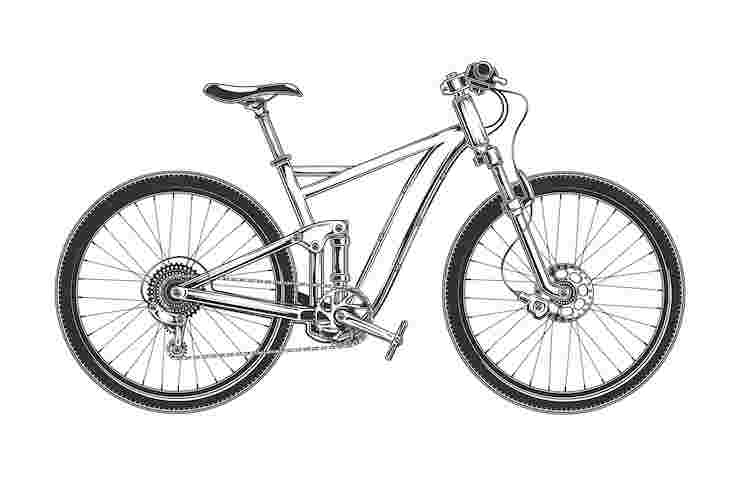
Children's mountain bikes are designed for cycling on a variety of surfaces, including compact dirt paths, gravel routes, and suitable off-road trails.
They may include wider tyres, stronger frame construction, front suspension, and different braking configurations. The bicycle should match the child's ability and the difficulty of the intended route.
Choosing the Correct Bicycle Size
Bicycle sizing is one of the most important considerations when selecting a kids bicycle for sale. An incorrectly sized bicycle can make steering, braking, and balancing more difficult.
Children's bicycles are commonly classified by wheel diameter rather than traditional adult frame sizing.
Common wheel sizes include:
- 12-inch wheels: Generally suitable for younger beginners who are developing basic balance and coordination.
- 14-inch wheels: Designed for children who have progressed beyond the earliest learning stage.
- 16-inch wheels: Commonly used by children developing independent cycling skills.
- 20-inch wheels: Suitable for older or taller children, depending on their physical measurements.
- 24-inch wheels: Often appropriate for taller children who are approaching the next stage of bicycle sizing.
These categories are general guidelines rather than fixed age requirements. A child's height, inseam measurement, and ability to reach the handlebars and brakes should determine the final selection.
Important Safety Features in a Kids Bicycle
Safety should remain a priority when selecting a children's bicycle. Several components contribute to a safer and more controlled riding experience.
Reliable Braking System
Brakes should be easy for the child to reach and operate. Depending on the bicycle design, braking systems may include coaster brakes, rim brakes, or disc brakes.
The braking system should be checked regularly to ensure that it functions correctly.
Comfortable Handlebars
Handlebars should allow the child to maintain a natural riding position without excessive stretching. Suitable handlebar width and grip size can also improve steering control.
Appropriate Saddle Height
The saddle should be adjusted according to the child's height and cycling ability. Beginners may benefit from being able to place their feet comfortably on the ground when seated, while more experienced riders may require a different pedalling position.
Chain Protection
A chain guard helps prevent clothing and other objects from becoming caught in the drivetrain. It also reduces direct contact with moving chain components.
Reflectors and Visibility
Reflective elements help make a bicycle more visible in low-light conditions. Bright clothing and suitable front and rear lights can provide additional visibility when cycling in permitted conditions.
Factors to Consider When Searching for a Kids Bicycle for Sale in South Africa
South Africa has different urban, suburban, and rural cycling environments. The intended riding location should influence the type of children's bicycle selected.
- Neighbourhood cycling: A simple bicycle with suitable tyres and reliable brakes may be appropriate for smooth roads and paved paths.
- School commuting: Frame size, comfort, visibility, and practical accessories should be considered.
- Recreational cycling: A lightweight and appropriately sized bicycle can make regular family rides more manageable.
- Gravel paths: Wider tyres and suitable frame construction may provide better stability on compact gravel.
- Off-road cycling: Children's mountain bikes with appropriate tyres and braking systems may be suitable for designated beginner-friendly trails.
Parents should also consider local cycling regulations, designated riding areas, and the child's experience before selecting a bicycle for outdoor use.
Maintenance Tips for Children's Bicycles
Regular maintenance helps keep a children's bicycle in suitable working condition. Basic inspections can also help identify mechanical issues before they become more serious.
Important maintenance practices include:
- Checking tyre pressure before each ride.
- Inspecting brakes for proper operation.
- Cleaning the frame and removing accumulated dirt.
- Lubricating the chain when necessary.
- Checking handlebar and saddle adjustments.
- Inspecting tyres for damage or excessive wear.
- Ensuring that wheels and important fittings remain secure.
A bicycle should be inspected by a qualified technician whenever mechanical problems or structural damage are identified.
Essential Safety Practices for Young Cyclists
Children should wear a correctly fitted cycling helmet whenever they ride. The helmet should sit securely and remain properly fastened.
Young cyclists should practise in safe, supervised areas away from busy traffic. Parents and guardians should teach children basic road awareness, hand signals, braking techniques, and responsible cycling habits.
Cycling on designated paths and wearing visible clothing can further support safer outdoor activities.
Conclusion
Finding a suitable kids bicycle for sale in South Africa requires careful consideration of bicycle size, frame construction, braking systems, safety features, and intended riding conditions. Different bicycle types support different stages of childhood cycling, from early balance development to independent recreational riding.
By focusing on correct sizing, reliable components, regular maintenance, and appropriate safety practices, parents and guardians can make informed decisions when selecting a children's bicycle. A properly fitted bicycle can help children develop cycling skills while enjoying outdoor activities with greater confidence.

 Arabic
 French
 Spanish
 Portuguese
 Deutsch
 Turkish
 Dutch
 Italiano
 Russian
 Romaian
 Portuguese (Brazil)
 Greek