


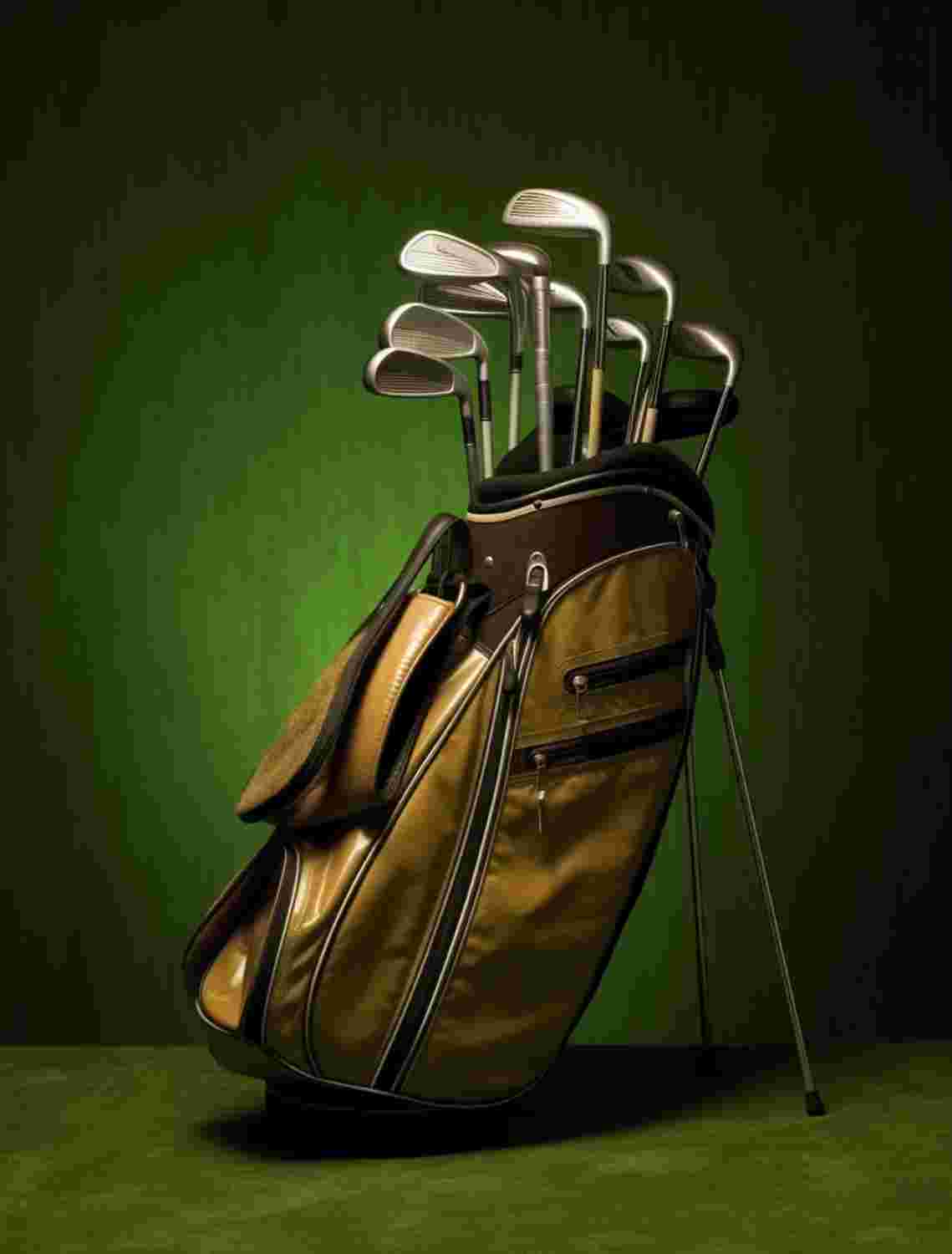
Golf is a popular recreational sport in South Africa, attracting players from different age groups and experience levels. Whether someone is learning the basics or regularly participating in local golf activities, choosing suitable equipment is an important part of the game. However, purchasing a complete set of new golf equipment may not always suit every player's budget. This is why 2nd hand golf clubs are an important consideration for individuals looking for affordable golf equipment.
Previously owned golf clubs provide an alternative to newly manufactured equipment. They are available in different styles, specifications, and conditions, allowing golfers to consider various options according to their playing requirements.
Understanding club construction, physical condition, specifications, and maintenance requirements can help South African golfers make informed decisions when exploring used golf equipment.
What Are 2nd Hand Golf Clubs?
2nd hand golf clubs are previously owned golf equipment that is made available for another golfer to use. These clubs may include drivers, irons, fairway woods, hybrids, wedges, and putters.
Their condition can differ depending on their age, frequency of use, storage environment, and maintenance history. Some clubs may have minor cosmetic marks, while others may show noticeable wear around the grips, shafts, or clubfaces.
The overall condition is more important than age alone. A well-maintained older golf club may remain suitable for regular use, while a newer club with structural damage may not be an appropriate choice.
Golfers should therefore examine individual clubs carefully before considering their suitability.
Different Types of 2nd Hand Golf Clubs
Understanding the different categories of golf clubs helps players identify equipment that matches their playing requirements.
1. Second-Hand Drivers
Drivers are primarily used for longer shots from the teeing area. They generally feature larger clubheads and longer shafts than other clubs.
When examining a previously owned driver, golfers should check the clubface, crown, shaft, and grip. Cracks, dents, and loose components may indicate damage that affects the club's usability.
Loft angle and shaft flexibility are also important specifications to consider.
2. Used Golf Irons
Irons are commonly used for approach shots and different playing distances. They are available in several configurations, with each iron designed for a particular range of shots.
When considering used irons, golfers should inspect the grooves, clubfaces, and shafts. Excessive wear around the striking area may influence the club's playing characteristics.
3. Second-Hand Fairway Woods
Fairway woods are designed for longer shots from the fairway and other suitable positions. They can also be used from the tee when a driver is not the preferred option.
Their clubhead construction, loft, shaft condition, and overall weight should be evaluated before selection.
4. Used Golf Wedges
Wedges are designed for shorter shots, bunker situations, and shots requiring greater height and control.
Groove condition is particularly important when examining second-hand wedges. Worn grooves may affect their intended performance.
5. Second-Hand Putters
Putters are used on the green to roll the golf ball towards the hole. Alignment features, grip condition, and clubhead balance are important considerations.
Golfers should check for loose components, damaged grips, and visible surface deterioration.
Benefits of Considering 2nd Hand Golf Clubs
Previously owned golf equipment can offer several practical advantages.
- Affordable equipment: Used clubs may cost less than comparable new equipment.
- Greater variety: Golfers can explore different club designs, materials, and specifications.
- Suitable for beginners: Affordable equipment can help new players start learning the game without a large initial expense.
- Individual club selection: Players can replace specific clubs instead of purchasing an entire set.
- Reduced waste: Reusing functional golf equipment helps extend its useful life.
However, these advantages depend on the equipment's condition, specifications, and suitability for the individual golfer.
Important Factors to Check Before Buying Used Golf Clubs
Careful inspection is essential when evaluating 2nd hand golf clubs.
Clubhead condition: The clubhead should be checked for cracks, dents, corrosion, and loose components.
Shaft condition: Shafts should be examined for visible bends, cracks, or other signs of structural damage.
Grip quality: Worn or deteriorated grips may affect comfort and handling. Replacement requirements should be considered when comparing equipment.
Club specifications: Loft, lie angle, shaft length, and flexibility should correspond with the golfer's physical requirements and swing characteristics.
Set composition: Buyers considering a complete set should confirm that all listed clubs are included and that their specifications are appropriate.
Choosing 2nd Hand Golf Clubs in South Africa
South Africa offers a diverse golfing environment, including coastal courses, inland layouts, and golf facilities surrounded by mountainous landscapes.
Different course conditions can influence equipment requirements. Golfers who frequently play longer courses may consider the importance of drivers and fairway woods. Players who prefer shorter approach shots may focus more on irons and wedges.
Environmental conditions also matter when evaluating previously owned equipment. Moisture exposure and unsuitable storage can contribute to corrosion, grip deterioration, and other forms of damage.
Comparing equipment specifications and physical condition can help golfers identify suitable options according to their playing habits.
Maintaining 2nd Hand Golf Clubs
Regular maintenance helps preserve the condition and usability of golf equipment.
Golfers should clean clubheads after playing to remove grass, dirt, and other debris. Suitable cleaning materials should be used to avoid damaging the club's surface.
Grips should be inspected regularly for excessive wear, while shafts should be checked for visible damage.
Clubs should be dried properly before storage and kept in a clean, dry environment. Protective headcovers can help reduce scratches and unnecessary contact between clubheads.
Regular maintenance can help extend the useful life of previously owned golf equipment.
Conclusion
2nd hand golf clubs provide an alternative for South African golfers who want to explore affordable equipment options. Drivers, irons, fairway woods, wedges, and putters each serve different purposes and require careful evaluation before selection.
Factors such as clubhead condition, shaft quality, grip comfort, specifications, and maintenance history should influence purchasing decisions.
By understanding these considerations, golfers can make informed choices when evaluating previously owned golf equipment and identify clubs that suit their playing abilities, preferences, and budgets.

 English
 Arabic
 French
 Spanish
 Portuguese
 Deutsch
 Turkish
 Italiano
 Russian
 Romaian
 Portuguese (Brazil)
 Greek