


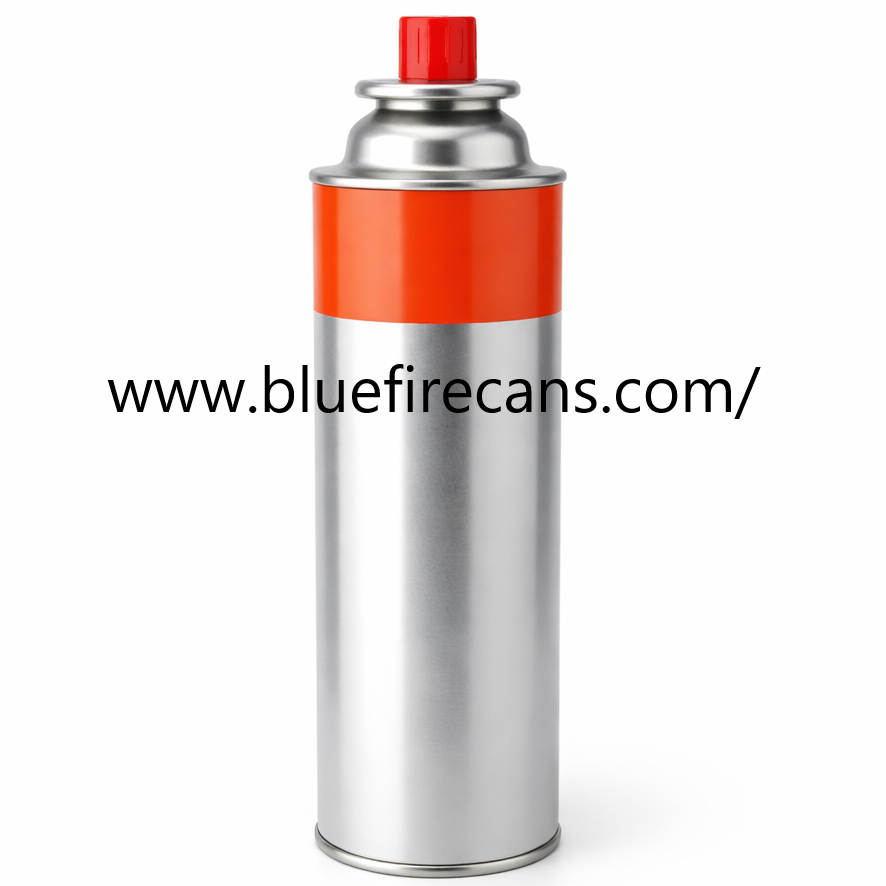
Butane Gas Cartridge Supplier evaluation requires careful preparation from the buyer. Importers, wholesalers, outdoor equipment distributors, and appliance manufacturers need to consider more than a quotation or product photograph. They should establish clear technical requirements, review sample details, compare commercial terms, and confirm how an order will be managed. A structured purchasing approach helps businesses understand whether a manufacturer can accommodate their product plans and communication needs.
Identify the Application and Target Market
Start by defining where the product will be sold and how it will be used. Outdoor cooking equipment, portable appliances, and other applications may require different dimensions, connection structures, and technical configurations.
Buyers should identify the intended appliance models and refer to their manufacturers' instructions when checking compatibility. This is particularly important when different connection systems are available. A product that looks similar to another model may not have the same interface or application requirements.
The destination market also deserves attention. Product labeling, technical documentation, packaging, and transport conditions can vary according to local regulations. Providing the target country at the inquiry stage allows the manufacturer to discuss relevant requirements before preparing a quotation.
Prepare a Clear Specification Sheet
A written specification sheet makes communication more efficient. It should include the requested capacity, dimensions, connection type, filling information, surface finish, and other relevant product details.
If the buyer has a reference sample or technical drawing, these materials can help explain the intended configuration. Photographs may also be useful, but important measurements and technical requirements should be recorded in writing rather than communicated through images alone.
For businesses purchasing several models, prepare a separate specification for each version. This helps prevent confusion between different dimensions, component arrangements, and packaging requirements. It also gives the manufacturing team a clear reference when reviewing the inquiry.
Evaluate Samples With Practical Criteria
Sample approval should involve more than checking whether the product looks attractive. Buyers can examine the container dimensions, surface condition, printed information, component alignment, and overall workmanship.
Where equipment compatibility matters, the relevant technical instructions should be reviewed before any application assessment. Buyers should never assume that different connection formats are interchangeable simply because their external appearance is similar.
It is also useful to compare the sample with the written specification. Record any differences and request clarification before approval. Once accepted, the sample and its accompanying specification can serve as references for subsequent production batches.
Compare Commercial Quotations Carefully
When reviewing several offers, make sure the quoted products have matching specifications. Differences in capacity, materials, packaging, printing, inspection arrangements, or order quantities can affect the quoted price.
Ask each manufacturer to clarify the minimum order quantity, sample charges, payment conditions, quotation validity, production schedule, and delivery terms. Confirm whether packaging and customization costs are included or calculated separately.
Shipping arrangements should also be reviewed. For international orders involving pressurized fuel containers, applicable dangerous-goods classification, packaging, labeling, and carrier acceptance requirements need to be verified for the actual product and route.
Review Inspection Information and Technical Records
Buyers should ask how product inspections are arranged and what records can be provided. Depending on the design and applicable regulations, inspection may cover dimensions, component installation, sealing performance, pressure-related testing, filling accuracy, and finished appearance.
It is important to clarify which checks apply to the selected model. Different designs may require different inspection procedures, so purchasing teams should request information relevant to their actual order.
Batch identification and inspection records can also help businesses organize product information after delivery. If a customer raises a question about a particular shipment, clear records make communication and review more straightforward.
Plan Customization and Packaging Details
Customization may involve label artwork, printed information, carton design, language versions, and product presentation. Buyers should prepare their artwork files and identify any mandatory information before production arrangements are finalized.
Carton dimensions and packing quantities should be confirmed as well. These details influence warehouse planning, inventory calculations, and shipping arrangements. If several product versions are included in one order, each packaging configuration should be documented separately.
At bluefirecans, buyers can discuss product specifications, label requirements, and packaging preferences when preparing a purchasing inquiry. Clear information about the intended market and order quantity helps both parties review the requested arrangements.
Establish a Practical Order Communication Process
A purchasing project involves several stages, including inquiry, quotation, sample review, specification approval, production, inspection, and dispatch. Buyers should understand how updates will be communicated at each stage.
For customized orders, important decisions should be confirmed in writing. Any change to dimensions, components, artwork, filling details, or packaging should be reviewed before implementation. This helps ensure that the purchasing team and production team are working from the same approved information.Businesses planning repeat purchases can maintain organized records of samples, technical specifications, artwork, quotations, and previous orders. These records make it easier to prepare future inquiries and review any requested changes. Companies interested in product details and manufacturing cooperation can visit https://www.bluefirecans.com/ to review available options and contact bluefirecans with their purchasing requirements.

 English
 Arabic
 French
 Spanish
 Portuguese
 Deutsch
 Turkish
 Dutch
 Italiano
 Russian
 Romaian
 Portuguese (Brazil)