


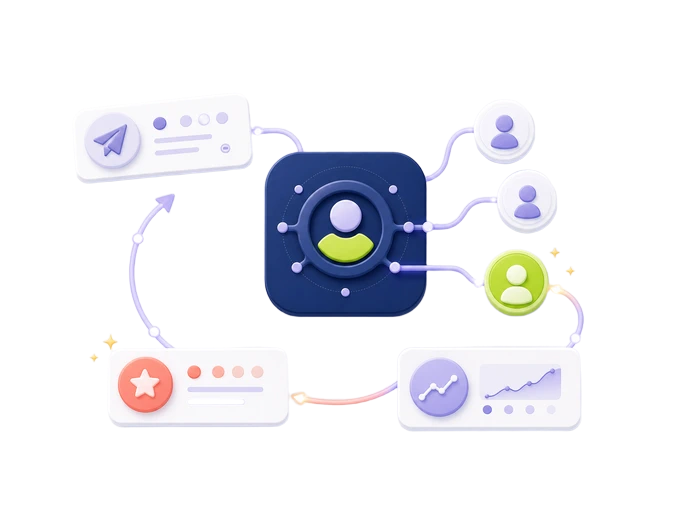
The way businesses manage customer rewards is changing. Traditional paper-based processes are gradually being complemented by digital systems that make customer interactions easier to organize and monitor.
Self-service technology is an important part of this transformation. A self-service kiosk allows customers to complete selected activities independently, while kiosk point redemption makes it possible to access eligible loyalty rewards through a dedicated digital interface.
For businesses that depend on customer loyalty, recurring attendance, and promotional engagement, these solutions offer opportunities to improve both customer convenience and operational efficiency.
Moving Beyond Traditional Reward Management
Traditional loyalty programs often depend on manual records, physical cards, and staff-managed redemption procedures.
Although these approaches can work for smaller operations, they may become difficult to manage as participation increases.
Digital reward management offers an alternative by organizing customer information, loyalty balances, and redemption activity through supported software.
Businesses can establish clear reward structures and give customers access to digital engagement channels.
A self-service kiosk can become one of these channels, providing a convenient place for customers to complete supported activities.
The Growing Role of Self-Service Kiosks
Self-service technology is useful because it gives customers more control over everyday interactions.
In entertainment venues, a kiosk can support customer enrollment, access to promotions, and selected loyalty activities.
For charity bingo halls, the technology can help operators manage player signups and offer redemption workflows without requiring every interaction to take place at the counter.
This can be particularly valuable during busy sessions when employees have several responsibilities.
The most successful implementations focus on activities that customers can complete easily and independently.
Making Loyalty More Convenient With Kiosk Point Redemption
Customers are more likely to appreciate a loyalty program when earning and using rewards is straightforward.
Kiosk point redemption provides a digital process for customers to access available rewards after meeting the program's eligibility requirements.
Consider a loyalty program that recognizes returning visitors. Customers earn points through qualifying activities and accumulate them over time.
When they reach a required balance, the kiosk can provide a supported way to select and redeem an eligible reward.
This approach can help businesses organize redemption activities and provide a more convenient experience.
Operators should ensure that their loyalty software accurately tracks points and maintains appropriate records of reward activity.
Combining Kiosk Technology With Customer Relationship Management
A self-service kiosk should not operate as an isolated device. Its value increases when it connects with customer relationship management and loyalty systems.
CRM software helps businesses maintain organized customer profiles. Loyalty tools manage points and rewards, while reporting provides information about participation and engagement.
For example, an operator may use customer profiles to understand visit frequency and loyalty status. This information can support more relevant promotional communication.
JustKonnect brings together these functions through a platform designed for charity bingo halls and entertainment venues.
Its features include:
-
Player CRM and customer profiles.
-
Self-service kiosk workflows.
-
QR-based player signup.
-
Points-based loyalty programs.
-
Reward and offer redemption tracking.
-
SMS marketing and automation.
-
Gamification and engagement tools.
-
Analytics and exportable reporting.
Businesses can explore these features through the JustKonnect platform.
Improving Promotions Through Digital Engagement
Kiosk technology can also complement promotional activities.
For example, businesses can use SMS campaigns to communicate upcoming events, special sessions, and loyalty opportunities. Customers can then interact with supported offers through available digital channels.
A self-service kiosk can provide an additional access point for selected promotional activities, while kiosk point redemption helps connect customer rewards with the broader loyalty program.
This creates opportunities to make promotions more interactive and easier to manage.
Businesses should ensure that offers have clear eligibility conditions and that promotional communication follows applicable consent and privacy requirements.
The Importance of Analytics in Reward Management
Digital systems can help operators understand whether their loyalty strategies are producing meaningful results.
Rather than relying on assumptions, businesses can review available reporting to evaluate how customers use their rewards and interact with digital services.
Some useful performance indicators include:
| Performance indicator | What it measures |
|---|---|
| Kiosk usage | Customer interaction with self-service technology |
| New registrations | Growth in the customer database |
| Point redemption | Use of available loyalty rewards |
| Reward participation | Customer involvement in loyalty programs |
| Repeat attendance | Returning customer activity |
| Campaign engagement | Responses to promotional communication |
Reviewing these measurements can help operators identify opportunities to improve their loyalty programs.
For example, low kiosk engagement might indicate that customers need clearer instructions. Low redemption activity might suggest that reward options or point requirements should be reviewed.
Preparing for More Connected Customer Experiences
As customer expectations evolve, businesses will continue looking for ways to simplify service delivery and improve engagement.
Digital kiosks, CRM platforms, loyalty management, and marketing automation can work together to create more connected experiences.
For charity bingo halls, the ability to organize player information, reward returning visitors, and measure engagement can support more consistent operations.
A self-service kiosk helps make selected activities accessible, while kiosk point redemption provides customers with a structured way to access eligible loyalty benefits.
Conclusion
Digital reward management is becoming an important part of modern customer engagement. Businesses can use self-service technology to simplify customer interactions and make loyalty activities more accessible.
A self-service kiosk provides a convenient digital interface, while kiosk point redemption supports organized reward management and encourages participation in loyalty programs.
For charity bingo halls and entertainment venues interested in combining these capabilities with customer management, SMS marketing, and analytics, JustKonnect offers an integrated platform built around player engagement and repeat attendance.

 Arabic
 French
 Spanish
 Portuguese
 Deutsch
 Turkish
 Dutch
 Italiano
 Russian
 Romaian
 Portuguese (Brazil)
 Greek