


Hair plays an important role in personal appearance and confidence. Unfortunately, hair thinning, excessive shedding, and baldness are common problems affecting both men and women. Factors such as genetics, hormonal changes, aging, nutritional deficiencies, stress, and certain medical conditions can contribute to hair loss.
With advancements in aesthetic medicine, people now have access to different hair restoration treatments designed to improve hair health and address thinning. One treatment that has gained considerable attention is Hair PRP (Platelet-Rich Plasma) Therapy.
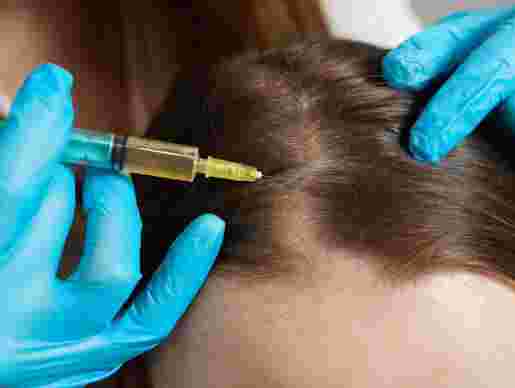
Hair PRP is a minimally invasive procedure that uses a concentrated portion of the patient's own blood to support hair follicle activity. The treatment involves collecting a small blood sample, processing it to concentrate platelets, and injecting the prepared plasma into areas of the scalp affected by hair thinning.
Many people consider Hair PRP because it does not require surgery, involves relatively little downtime, and may help improve hair density in suitable candidates.
In this guide, we will explain how Hair PRP works, who can benefit from it, its advantages, treatment procedure, expected results, possible side effects, cost, and frequently asked questions.
What Is Hair PRP Therapy?
Hair PRP Therapy is a non-surgical hair restoration treatment that uses platelet-rich plasma obtained from the patient's own blood.
Blood contains several components, including red blood cells, white blood cells, plasma, and platelets. Platelets play an important role in the body's natural healing process because they contain growth factors and other substances involved in tissue repair.
During PRP treatment, a healthcare professional collects a small blood sample and processes it using a specialized centrifuge. This separates the blood components and allows the platelet-rich portion to be collected.
The prepared PRP is then injected into specific areas of the scalp where hair thinning or reduced density is present.
The objective is to support existing hair follicles and potentially improve hair growth and thickness.
Hair PRP is commonly considered for:
-
Male pattern hair loss.
-
Female pattern hair thinning.
-
Early-stage baldness.
-
Weak and thinning hair.
-
Reduced scalp hair density.
-
Certain types of non-scarring hair loss.
-
Hair restoration support following a hair transplant.
PRP is not a guaranteed treatment for every type of hair loss. Its suitability depends on the underlying condition and whether functional hair follicles remain in the affected areas.
How Does Hair PRP Help With Hair Growth?
Hair PRP works by delivering concentrated platelets into areas of the scalp experiencing hair thinning.
Platelets contain growth factors that participate in tissue repair, cellular communication, and biological processes. Researchers believe these substances may influence the activity of hair follicle cells and support the hair growth environment.
The treatment generally involves three important stages.
1. Collection of Blood
The healthcare professional collects a small amount of blood from the patient's arm using a sterile needle and collection tube.
The blood is then prepared for centrifugation.
2. Separation of Platelets
The collected blood is placed in a specialized centrifuge machine. Centrifugation separates the different blood components according to their density.
The healthcare professional collects the platelet-rich plasma using the appropriate preparation technique.
3. Injection Into the Scalp
The prepared PRP is injected into selected areas of the scalp using fine needles.
The injections are distributed across areas affected by thinning to deliver platelet-derived growth factors near existing hair follicles.
Over the following months, some patients may experience improvements in hair density, thickness, and shedding.
Major Benefits of Hair PRP Treatment
Hair PRP has become a popular option for individuals looking for non-surgical approaches to hair restoration. Although results differ between patients, the treatment offers several potential advantages.
1. May Promote Natural Hair Growth
PRP contains growth factors that may influence the biological activity of existing hair follicles.
For suitable patients, treatment may help improve hair growth and support healthier-looking hair.
2. Helps Improve Hair Density
Hair thinning can make the scalp more visible and reduce overall hair volume.
Clinical research suggests that PRP may improve hair density in some people with androgenetic alopecia.
3. Non-Surgical Treatment
Unlike hair transplantation, PRP does not require surgical incisions or transferring hair follicles from one area of the scalp to another.
The procedure involves blood collection and small scalp injections.
4. Uses Your Own Blood
PRP is an autologous treatment, meaning the plasma is obtained from the patient's own blood.
This avoids the need for donor-derived plasma, although normal injection-related risks remain.
5. Minimal Recovery Time
Most patients can return to their regular activities shortly after treatment.
Temporary tenderness, redness, or swelling may occur, but extensive recovery is generally unnecessary.
6. Suitable for Men and Women
Both men and women experiencing certain types of hair thinning may be candidates for PRP.
A medical assessment is necessary to identify the cause of hair loss and determine whether the treatment is appropriate.
7. Can Complement Other Hair Treatments
PRP may be combined with established hair loss treatments, such as minoxidil, when recommended by a dermatologist.
A combination approach may be useful for patients who require a broader hair restoration plan.
Who Should Consider Hair PRP Treatment?
Hair PRP may be appropriate for people who are experiencing gradual hair thinning and still have active hair follicles.
The treatment is particularly considered for selected patients with early-stage androgenetic alopecia.
You may be a suitable candidate if you:
-
Notice increased hair shedding.
-
Have thinning hair around the crown or scalp.
-
Experience early-stage pattern baldness.
-
Have reduced hair volume.
-
Want a non-surgical hair restoration option.
-
Prefer a treatment prepared from your own blood.
-
Want to complement other medically recommended hair loss treatments.
Who Should Avoid or Delay PRP?
Not everyone is an ideal candidate. Additional assessment may be necessary for individuals with platelet disorders, significant blood abnormalities, active scalp infections, or certain medical conditions.
People with advanced baldness and permanently lost follicles are also less likely to benefit.
A dermatologist should evaluate your health history, scalp condition, and hair loss pattern before treatment.
Hair PRP Procedure: What Happens During Treatment?
Hair PRP is generally performed in a medical clinic and does not usually require hospitalization.
A typical session takes approximately 30–60 minutes, depending on the preparation method and size of the treatment area.
Here is a breakdown of the procedure.
Step 1: Hair and Scalp Examination
The first step is a consultation with a qualified dermatologist or healthcare professional.
The specialist examines the scalp, evaluates hair density, and reviews your medical history.
The underlying cause of hair loss is assessed before developing a treatment plan.
Step 2: Blood Collection
A small blood sample is collected from your arm.
The amount depends on the PRP preparation system and the size of the treatment area.
Step 3: PRP Preparation
The blood is placed in a centrifuge machine to separate its components.
The platelet-rich portion is collected for treatment.
Step 4: Scalp Cleaning
The scalp is cleaned using an appropriate antiseptic solution.
A numbing cream or another pain-reduction technique may be used to improve comfort.
Step 5: PRP Application
The prepared plasma is injected into selected areas of the scalp using fine needles.
The healthcare professional determines the injection pattern, depth, and quantity according to the patient's needs.
Step 6: Completion and Aftercare
After the injections, the scalp is checked for immediate reactions.
The patient receives instructions about hair washing, exercise, medications, and other aftercare precautions.
Most patients can resume their regular routine relatively quickly.
How Many Sessions of Hair PRP Are Required?
The number of sessions depends on the patient's hair loss condition, treatment response, and clinical recommendations.
A commonly used initial treatment schedule involves three sessions spaced approximately four weeks apart.
A general treatment plan may include:
-
First month: Initial PRP session.
-
Second month: Second session.
-
Third month: Third session.
-
Following months: Assessment and maintenance sessions if appropriate.
Some patients may require additional sessions.
Maintenance treatment is sometimes recommended every three to six months, depending on the response.
The exact schedule should be determined by a qualified healthcare professional rather than following a fixed plan for everyone.
When Will You See Hair PRP Results?
Hair growth takes time because hair follicles move through different stages of the natural growth cycle.
For this reason, PRP does not produce immediate visible results.
Some patients may notice changes within a few months, while others may require longer to evaluate their response.
First Month
The scalp may experience temporary tenderness or redness after treatment. Some patients may notice changes in shedding, but visible hair growth is not usually expected immediately.
Second and Third Months
Some individuals begin noticing improvements in hair appearance and reduced shedding.
Third to Sixth Months
Hair density and thickness can be assessed more effectively during this period.
Some patients experience visible improvements in areas that previously appeared thin.
After Six Months
The healthcare professional can compare scalp photographs and assess whether maintenance sessions are appropriate.
Results vary significantly, and some patients may experience little or no noticeable improvement.
Possible Side Effects of Hair PRP
Hair PRP is generally well tolerated when performed by trained professionals using appropriate sterile techniques.
However, because it involves injections, temporary side effects are possible.
Common side effects include:
Scalp Tenderness: Mild pain or sensitivity may occur around the injection sites.
Redness: The scalp may appear slightly red immediately after treatment.
Swelling: Temporary swelling can develop in the treated areas.
Bruising: Small bruises may appear around injection points.
Headache: Some patients experience mild headaches or scalp tightness.
Infection: Infection is uncommon but possible if proper hygiene and sterilization procedures are not followed.
Most minor reactions improve within a short period. Persistent pain, fever, spreading redness, or unusual discharge requires medical assessment.
Hair PRP Aftercare: Important Instructions
Following appropriate aftercare instructions can help minimize irritation and support recovery.
Here are some general precautions after treatment:
-
Avoid scratching, rubbing, or unnecessarily touching the treated scalp.
-
Follow your clinic's instructions about when to wash your hair.
-
Avoid strenuous exercise and excessive sweating for approximately 24–48 hours if advised.
-
Avoid saunas and steam rooms immediately after treatment.
-
Do not apply harsh chemical products directly to the scalp until the injection sites have settled.
-
Follow your healthcare professional's medication recommendations.
-
Maintain a balanced diet and adequate protein intake.
-
Attend scheduled follow-up appointments to evaluate treatment progress.
Do not stop prescribed medications, including blood-thinning medicines, without consulting your doctor.
Hair PRP Cost: What Should You Expect?
The price of Hair PRP varies according to the clinic, treatment technology, healthcare professional's experience, and number of sessions required.
The overall treatment expense may depend on:
-
The number of PRP sessions.
-
The preparation equipment used.
-
The size of the treatment area.
-
The clinic's location.
-
The professional performing the procedure.
-
Whether consultation and follow-up appointments are included.
Hair PRP Treatment Cost in Pakistan
Hair PRP is available in several major cities of Pakistan, including Lahore, Islamabad, Multan, Karachi, and Faisalabad.
Prices vary between clinics, so patients should request a complete treatment quotation before starting.
When comparing prices, consider the quality of the PRP preparation system, hygiene standards, professional qualifications, and follow-up services.
Choosing a clinic solely because it offers the cheapest treatment may not be the best decision.
Hair PRP vs. Hair Transplant: Which Is Better?
Hair PRP and hair transplantation are different procedures designed to address different stages and patterns of hair loss.
Hair PRP uses concentrated platelets to support existing hair follicles, while hair transplantation involves surgically moving follicles from a donor area to areas experiencing hair loss.
Hair PRP may be more appropriate for:
-
Early-stage hair thinning.
-
Reduced hair density.
-
People with existing but weakened follicles.
-
Patients seeking a non-surgical treatment.
Hair transplantation may be considered for:
-
More advanced pattern baldness.
-
Permanently bald areas.
-
People with sufficient healthy donor hair.
-
Patients seeking surgical restoration of hair coverage.
The two treatments are not necessarily alternatives. In selected cases, PRP may be used as an additional treatment alongside hair transplantation.
A hair restoration specialist can help determine the most appropriate approach.
Can Hair PRP Be Combined With Other Treatments?
Yes. Depending on the cause of hair loss, a dermatologist may recommend combining PRP with other treatments.
PRP and Minoxidil
Minoxidil is a medication used to treat certain forms of pattern hair loss. It may be prescribed alongside PRP to support hair density.
PRP and Finasteride
Finasteride is a prescription medication primarily used for male pattern hair loss. It works by reducing DHT production through inhibition of the enzyme responsible for converting testosterone into DHT.
It requires medical supervision because it can cause adverse effects and is not suitable for everyone.
PRP and Hair Transplantation
Some clinics use PRP as an adjunct to hair transplantation. Its timing and potential benefits should be discussed with the transplant surgeon.
Combining treatments should always be based on an accurate diagnosis and an individualized medical plan.
Frequently Asked Questions About Hair PRP
1. Is Hair PRP Treatment Safe?
Hair PRP is generally well tolerated when performed by qualified healthcare professionals using sterile equipment. Minor side effects such as redness, tenderness, and swelling may occur.
2. Does Hair PRP Really Work?
Clinical studies suggest that PRP may improve hair density in some people with androgenetic alopecia. However, results vary and treatment is not effective for every type of hair loss.
3. Is Hair PRP Painful?
Patients may experience mild discomfort during scalp injections. Numbing cream or other appropriate techniques can help reduce discomfort.
4. How Long Does One Session Take?
A typical session takes around 30–60 minutes, depending on the preparation process and treatment area.
5. Can Women Get Hair PRP?
Yes. Women with suitable forms of hair thinning, including female pattern hair loss, may benefit from PRP following medical evaluation.
6. Can Hair PRP Help With Male Pattern Baldness?
PRP may help improve hair density in men with early-stage androgenetic alopecia, particularly when hair follicles remain active.
7. How Long Do Hair PRP Results Last?
Results are variable. Some patients require maintenance sessions to sustain improvements, while ongoing genetic hair loss may continue without additional treatment.
8. Can PRP Regrow Hair on a Completely Bald Scalp?
PRP is unlikely to restore hair in areas where follicles have been permanently destroyed or lost.
9. Can I Wash My Hair After PRP?
Your healthcare professional will advise when you can wash your hair. Depending on the protocol, patients may be asked to wait several hours or until the following day.
10. Is Hair PRP Better Than Hair Transplantation?
Neither treatment is universally better. PRP may be suitable for thinning hair with existing follicles, while transplantation may be more appropriate for selected patients with advanced hair loss.
11. Does PRP Stop Hair Fall Permanently?
No. PRP does not permanently eliminate genetic or hormonal causes of hair loss. Ongoing treatment may be needed to manage the condition.
12. Can Hair PRP Be Done Without Shaving the Head?
Yes. Complete head shaving is generally unnecessary for conventional scalp PRP treatment.
Final Thoughts
Hair loss can affect confidence, appearance, and quality of life. Fortunately, modern hair restoration treatments offer different ways to manage thinning and support healthier-looking hair.
Hair PRP is a minimally invasive treatment that uses concentrated platelets from the patient's own blood. It may help improve hair density, support existing hair follicles, and reduce hair shedding in selected patients.
Its potential advantages include minimal downtime, no surgical hair transplantation, and compatibility with certain other hair loss treatments.
However, the treatment is not suitable for everyone and does not guarantee permanent hair regrowth. An accurate diagnosis, professional assessment, and realistic expectations are essential before beginning treatment.
If you are experiencing hair thinning or excessive shedding, consult a qualified dermatologist to understand the cause and explore whether Hair PRP is an appropriate option for your hair restoration needs.
Disclaimer: This article is for general educational purposes and should not replace professional medical consultation, diagnosis, or treatment.

 English
 Arabic
 French
 Spanish
 Portuguese
 Turkish
 Dutch
 Italiano
 Russian
 Romaian
 Portuguese (Brazil)
 Greek