


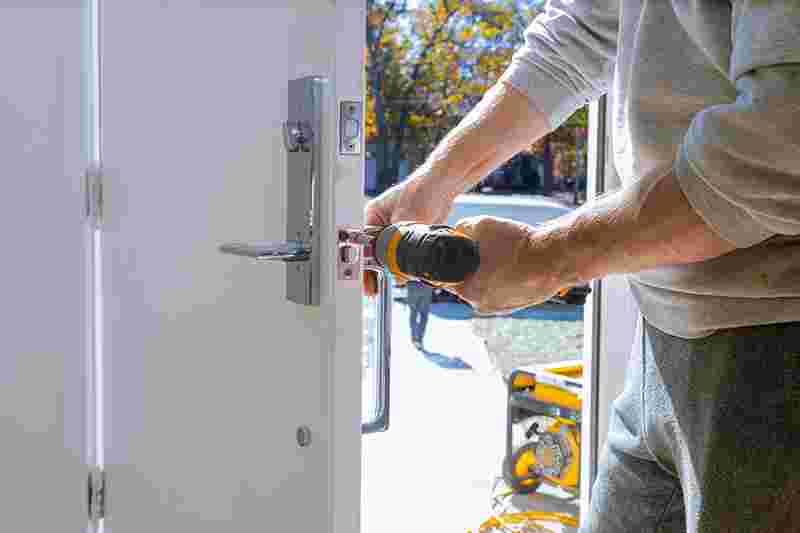
A building's security requirements rarely remain the same throughout its lifetime. A family may renovate its home, a business may change employees, or a property owner may replace an old entrance with a modern door system. These changes can affect how locks are used and whether existing hardware continues to provide suitable protection.
Locking systems are mechanical devices that experience regular movement, pressure, and environmental exposure. Although many are designed for years of operation, individual components can gradually lose their original performance. Recognising these changes is important because a lock that becomes unreliable can affect both everyday convenience and property security.
Understanding the reasons behind lock failure can help property owners make better maintenance decisions and avoid replacing equipment unnecessarily.
Why Older Locking Systems Sometimes Struggle With Modern Security Requirements
Many properties continue using locks installed years ago. While an older mechanism may still operate, its design might not match the current needs of the occupants.
For example, a household that previously relied on a traditional key may now prefer a system with controlled access. A commercial property may need to manage several employees who require different levels of entry permission.
Age alone does not determine whether a lock should be replaced. Its mechanical condition, compatibility with the door, and ability to meet the property's security requirements are more useful considerations.
An inspection can reveal whether the existing mechanism remains suitable or whether certain components need updating.
The Difference Between a Lock Problem and a Door Problem
One common mistake is assuming that every difficulty involving a lock originates inside the locking mechanism.
In reality, the door and its supporting structure can influence how effectively the lock operates.
A door that has shifted slightly may place pressure on the latch. Loose hinges can change the position of the locking point, while a damaged frame may prevent the bolt from entering its intended opening.
These conditions can create symptoms similar to internal lock failure.
Before selecting a repair method, it is important to understand whether the problem involves the cylinder, latch, handle, hinges, strike plate, or door frame. Treating the wrong component may provide little improvement.
Four Situations That Can Gradually Reduce Lock Reliability
1. Repeated Mechanical Stress
Locks contain moving parts that interact whenever a key or handle is operated. Frequent use creates gradual wear, particularly in mechanisms exposed to heavy daily activity.
Small internal changes may eventually affect how smoothly the lock turns or how securely the latch engages.
2. Environmental Exposure
Outdoor locking systems experience changing temperatures, humidity, dust, and occasional moisture.
Depending on the materials and protective finish, these conditions can contribute to corrosion or deterioration of exposed components.
Regular inspection is particularly important for entrances that are directly exposed to the outdoor environment.
3. Poorly Matched Replacement Hardware
A replacement lock that looks similar to the original may still have different dimensions or operating requirements.
Cylinder length, backset measurements, mounting arrangements, and door thickness all influence compatibility.
Incorrect selection can result in installation difficulties or unreliable operation.
4. Changes in Access Requirements
Security needs can change when tenants move out, employees leave, or property ownership changes.
In such circumstances, the original locking arrangement may no longer provide the desired level of access control.
Rekeying or replacing selected components may be appropriate, depending on the system and the circumstances.
When Professional Lock Repair Becomes Necessary
Some minor problems can be identified through ordinary observation, but internal mechanical faults require more careful assessment.
A key that repeatedly sticks, a cylinder that turns inconsistently, or a latch that refuses to engage should not be ignored.
Professional lock repair dubai services can help property owners identify the source of these problems and determine whether adjustment, component replacement, or a complete new mechanism is appropriate.
The assessment should consider the lock's design and the condition of the surrounding door hardware. This is particularly important when dealing with specialised commercial systems, electronic access arrangements, or security doors with multiple locking points.
A suitable repair should restore normal operation without compromising the original door structure.
Choosing Replacement Components Requires More Than Matching Measurements
Lock replacement involves several technical considerations.
The new component must fit the available installation space, but physical compatibility is only one part of the decision.
Property owners should also consider the following:
Operating design: The replacement should work with the existing handle, cylinder, and locking arrangement.
Material quality: Components should be appropriate for the intended environment and frequency of use.
Security requirements: The mechanism should provide protection suitable for the property's purpose.
Installation compatibility: The door material and frame construction must support the selected hardware.
Future maintenance: Replacement components should be practical to inspect and maintain.
These considerations are useful when upgrading older entrance systems or repairing damaged hardware.
Why Commercial Properties Need a Different Maintenance Strategy
Commercial buildings often experience more frequent door operation than private residences.
An office entrance may be used by employees, visitors, delivery personnel, and maintenance staff throughout the day. This creates a different pattern of mechanical demand.
A lock that operates perfectly in a lightly used residential setting may experience faster wear when installed at a busy commercial entrance.
Businesses should therefore consider inspection schedules based on actual usage rather than waiting for a complete failure.
It is also useful to maintain records of key distribution, access permissions, and previous hardware changes. These records can help property managers understand the condition and history of their security arrangements.
How to Recognise When a Lock Should Be Inspected
Locks rarely become unreliable without displaying some kind of warning.
A change in key movement, unusual resistance, inconsistent latch operation, or visible damage around the installation area can indicate that attention is needed.
Property owners should avoid forcing a key or repeatedly applying pressure to a stiff handle. Excessive force can damage components that might otherwise have remained serviceable.
If a lock has been exposed to an attempted break-in, its condition should be assessed even if it appears to function normally afterward. Internal damage may not always be immediately visible.
Practical Habits That Support Better Lock Performance
Maintaining locking hardware does not require complicated routines.
Check that doors close without needing excessive pressure. Observe whether keys enter and turn smoothly, and pay attention to changes in handle movement.
Keep exposed hardware reasonably clean and follow the manufacturer's guidance regarding suitable maintenance products. Avoid applying random oils or chemicals to internal mechanisms because some products may interfere with their operation.
For properties with several entrances, periodically reviewing the condition of each locking system can help identify neglected hardware.
Most importantly, address repeated operating problems before they become complete failures.
Making Informed Decisions About Property Security
A reliable locking system is the result of suitable hardware, correct installation, and ongoing attention to its condition. No single component works independently of the door, frame, and surrounding structure.
When a lock develops a problem, understanding its cause is more useful than immediately purchasing a replacement. Some faults involve simple adjustments, while others require new components or a different security arrangement.
By considering mechanical condition, hardware compatibility, building requirements, and future access needs, property owners can make more practical decisions about maintaining their entrances.
Good security is not simply about installing a stronger lock. It is about ensuring that the complete system remains appropriate for the way a property is used.

 English
 Arabic
 French
 Spanish
 Portuguese
 Deutsch
 Turkish
 Italiano
 Russian
 Romaian
 Portuguese (Brazil)
 Greek