


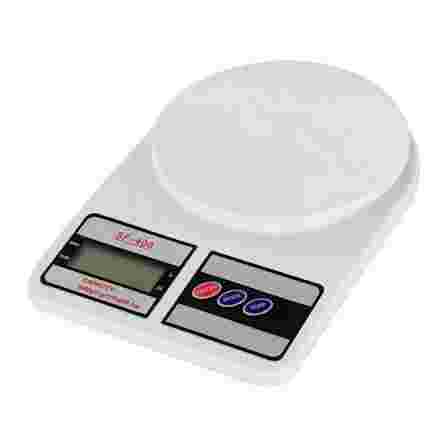
Accurate weight measurement is essential for businesses that handle products, ingredients, raw materials, and packaged goods. Even small measurement differences can affect product quality, inventory records, and commercial transactions. A Digital Weighing Scale provides an electronic method of measuring weight, helping businesses obtain clear readings and maintain more consistent weighing practices.
Across the UAE, digital weighing equipment is used in retail shops, warehouses, laboratories, food businesses, and manufacturing facilities. However, purchasing a suitable machine is only the first step. Correct installation, regular inspection, proper handling, and employee training are equally important for maintaining dependable measurements.
Why Measurement Consistency Matters
Measurement consistency means obtaining similar readings when the same object is weighed repeatedly under comparable conditions. It is particularly important for businesses that follow fixed product quantities, prepare standard portions, or inspect materials during production.
For example, a food business may need to measure the same quantity of ingredients for every batch. A packaging department may need to maintain consistent product weights, while a warehouse may use weighing equipment to check incoming goods.
Unreliable readings can create confusion and lead to unnecessary adjustments. A properly selected and maintained digital scale helps businesses improve measurement practices and identify differences that require attention.
Understanding Accuracy, Precision, and Repeatability
These three terms are closely related but describe different aspects of weighing performance.
Accuracy refers to how close a measurement is to the actual weight of an object. A scale should provide results within the permissible limits established for its intended application.
Precision describes how closely repeated measurements agree with one another. A machine may display similar readings each time but still require calibration if those readings are consistently different from the correct value.
Repeatability refers to the ability of an instrument to produce consistent results when the same load is measured under similar conditions.
Understanding these differences helps buyers evaluate equipment more carefully. A display showing several decimal places does not automatically mean that a scale provides the required accuracy. Businesses should examine the manufacturer's technical specifications and select equipment suitable for their measurement requirements.
The Role of Tare and Zero Functions
Tare and zero functions are useful features found on many digital weighing instruments. Although they may appear similar, they serve different purposes.
Understanding the Zero Function
The zero function allows an operator to bring the display to zero under appropriate conditions. It is generally used when the weighing platform is empty and the instrument needs to establish its starting point.
Before beginning a weighing task, employees should check whether the display shows the expected zero reading. If it does not, they should follow the manufacturer's instructions rather than ignoring the difference.
Understanding the Tare Function
The tare function removes the weight of a container from the displayed measurement. This allows employees to measure the contents without including the container's weight.
For example, when weighing ingredients in a bowl, an operator can place the empty bowl on the platform and use the tare function. The display returns to zero, allowing the ingredients to be measured separately.
Correct use of these functions can make everyday weighing more convenient and reduce avoidable calculation errors.
Choosing the Correct Measurement Units
Different businesses work with different weight units depending on their products and operating procedures. Grams and kilograms are common in many commercial and industrial applications, while other units may be required for particular purposes.
Before purchasing equipment, businesses should confirm which measurement units are supported and whether they match their existing records and procedures.
Using consistent units across departments is also important. For example, employees handling stock should avoid mixing grams and kilograms without converting the measurements correctly. Standard operating instructions can help prevent misunderstandings and improve record accuracy.
Common Problems That Affect Digital Scale Readings
Digital weighing equipment can sometimes display unstable, unexpected, or inconsistent measurements. These problems may result from the installation environment, incorrect operation, or equipment condition.
Unstable Readings
If the displayed weight continues changing, the scale may be affected by vibration, air movement, an uneven surface, or an unstable load.
The first step is to check the installation area. Moving the machine away from vibrating equipment and placing it on a stable, level surface may help improve measurement conditions.
Incorrect Zero Reading
An unexpected reading when the platform is empty may indicate residue, an unsuitable starting condition, or a technical issue. Employees should check that the platform is clean and follow the manufacturer's zero-setting procedure.
Battery or Power Problems
Low battery levels, damaged power cables, and unstable electrical connections may interrupt normal operation. Businesses should inspect the power source and use only compatible charging equipment.
Inconsistent Results
If the same object produces noticeably different readings, check whether it is being positioned consistently. Also inspect the platform for obstructions and arrange a professional examination if the problem continues.
How to Prepare a Digital Scale for Daily Use
A simple operating routine can help employees maintain better weighing practices. Businesses should develop instructions that match the equipment and its intended application.
Before weighing products, operators should:
-
Check that the machine is installed on a stable, level surface.
-
Ensure the weighing platform is clean and free from unnecessary objects.
-
Confirm that the display shows the correct starting condition.
-
Check that the product weight is within the machine's permitted capacity.
-
Position the item carefully and allow the reading to stabilize.
-
Record the result using the correct measurement unit.
-
Report unusual readings instead of making unauthorized adjustments.
These basic practices can improve consistency and help employees identify problems before they affect regular operations.
Important Specifications to Review Before Purchasing
Selecting a digital scale requires careful attention to technical details. Businesses should provide suppliers with information about the products they intend to weigh and the conditions in which the equipment will operate.
Important specifications include:
Maximum Capacity: The machine should support the heaviest expected load, including any container used during weighing.
Readability: This indicates the smallest displayed weight increment. The required readability depends on the measurement task.
Repeatability: Buyers should review the manufacturer's stated repeatability specifications to understand how consistently the equipment performs.
Platform Dimensions: The weighing surface should comfortably accommodate the products and containers being measured.
Operating Environment: Dust, moisture, temperature changes, and vibration should be considered when selecting equipment.
Calibration Requirements: Businesses should confirm the applicable calibration and verification requirements for their intended use.
Comparing these specifications can help buyers select a machine that meets actual business requirements rather than relying only on its appearance or price.
Compliance and Responsible Equipment Management in the UAE
Businesses using weighing instruments for commercial transactions should pay attention to applicable legal metrology requirements. UAE Cabinet Resolution No. 84 of 2023 establishes mandatory technical requirements for covered non-automatic weighing instruments.
The regulation addresses matters including conformity, verification, installation, permitted load capacities, and maintenance records. Owners of covered instruments used in commercial activities are responsible for ensuring that the required valid verification mark is present. Businesses should confirm the requirements applicable to their particular equipment and use.
Maintaining proper equipment documentation and arranging required inspections can support responsible weighing practices and reduce the risk of measurement-related problems.
Why Consider Al Falah Scales?
Al Falah Scales offers weighing equipment solutions for businesses with different commercial and industrial requirements in the UAE. When selecting a digital weighing machine, buyers should consider the intended application, required capacity, readability, operating environment, and expected frequency of use.
A suitable weighing solution should match the actual needs of the workplace. Businesses can review the available specifications and confirm product availability, warranty conditions, and relevant support arrangements before making their final purchasing decision.
Conclusion
A digital weighing scale is an important tool for businesses that depend on consistent and reliable weight measurements. Its performance depends not only on the equipment itself but also on correct installation, suitable operating conditions, employee training, and regular maintenance. By understanding accuracy, repeatability, tare functions, measurement units, and purchasing specifications, businesses in the UAE can make better equipment decisions. Proper verification and responsible handling further support dependable weighing practices.
FAQs
1. What is the difference between accuracy and repeatability in a digital weighing scale?
Accuracy describes how close a reading is to the actual weight, while repeatability describes how consistently the scale produces similar readings when the same object is weighed under comparable conditions.
2. Why does a digital weighing scale show unstable readings?
Unstable readings can result from vibration, an uneven surface, air movement, an unstable load, or technical problems. Checking the installation conditions is a useful first step.
3. How can I maintain a digital weighing scale?
Keep the platform clean, avoid overloading the machine, use it on a stable surface, follow the manufacturer's operating instructions, and arrange appropriate calibration and verification when required.

 Arabic
 French
 Spanish
 Portuguese
 Deutsch
 Turkish
 Dutch
 Italiano
 Russian
 Romaian
 Portuguese (Brazil)
 Greek