


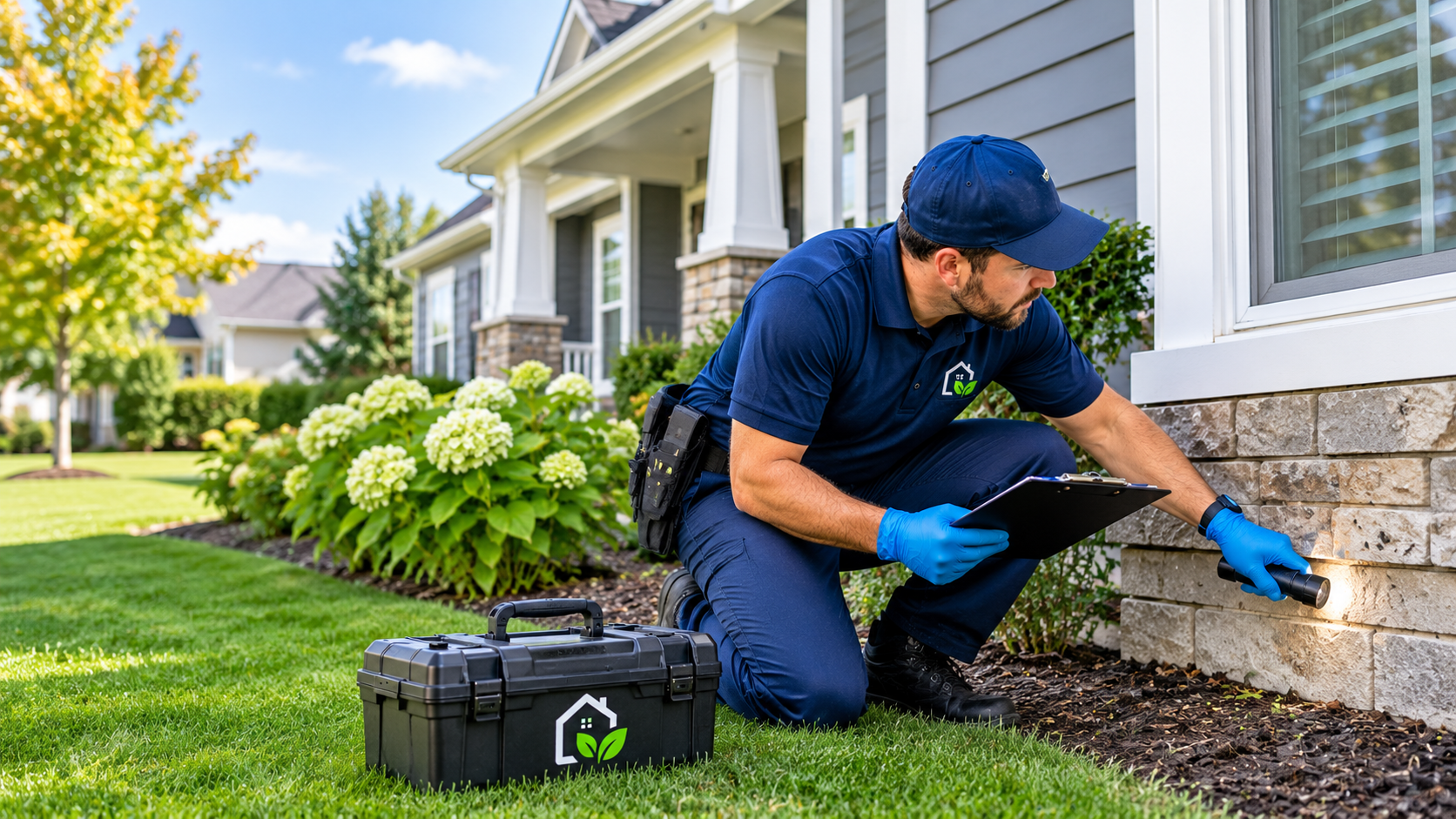
Maintaining a clean and pest-free workplace is an important responsibility for businesses of every size. Restaurants, warehouses, retail stores, offices, and commercial facilities can all experience pest activity when food, moisture, waste, or suitable shelter is available. Even outdoor areas around business properties can attract insects that create safety concerns for employees and visitors. For example, bee and wasp control in Illinois can be an important consideration for businesses with outdoor seating, entrances, loading areas, and landscaped spaces where stinging insects may establish nests.
Local pest control services help businesses identify potential infestation risks, address existing pest problems, and develop preventive management strategies. Instead of relying only on treatments after pests appear, professional services focus on inspections, monitoring, sanitation recommendations, and appropriate control methods.
Understanding how commercial pest management works can help business owners protect their premises, maintain workplace standards, and reduce the risk of recurring infestations.
Why Pest Control Is Important for Businesses
Pest activity can affect more than the appearance of a commercial property. Depending on the type of business, an infestation may create sanitation concerns, damage products, disrupt operations, or negatively affect customer confidence.
Some common business risks include:
-
Food contamination: Rodents and insects can contaminate food preparation and storage areas.
-
Property damage: Rodents may chew packaging, wiring, insulation, and stored materials.
-
Customer complaints: Visible pest activity can damage a business's reputation.
-
Workplace disruption: Employees may have difficulty working comfortably when pests are present.
-
Operational concerns: Certain infestations may require additional cleaning, repairs, or temporary restrictions on affected areas.
For businesses handling food, maintaining suitable pest prevention procedures is especially important. Regular monitoring and prompt attention to pest activity can help reduce these risks.
How Local Pest Control Services Support Commercial Properties
1. Understanding Local Pest Activity
Pest behavior can change with weather conditions, seasonal temperatures, and the surrounding environment. Local pest management professionals understand the types of insects and rodents commonly encountered in their service areas.
In Illinois, businesses may experience different pest concerns throughout the year. Ants and flies may become more noticeable during warmer months, while rodents may seek indoor shelter as temperatures decline.
Businesses with outdoor areas may also need to consider stinging insects. Professional inspection can help identify wasp nests or other insect activity around entrances, exterior walls, and frequently used outdoor spaces.
2. Conducting Detailed Commercial Inspections
A professional inspection helps determine where pests are entering, feeding, nesting, or reproducing.
Depending on the property, technicians may examine:
-
Kitchens and food preparation areas
-
Storage rooms and inventory spaces
-
Waste disposal locations
-
Loading docks and delivery entrances
-
Restrooms and plumbing areas
-
Wall openings and structural gaps
-
Outdoor landscaping and building perimeters
The inspection findings help professionals recommend suitable corrective measures rather than relying on generalized treatments.
3. Developing Property-Specific Pest Management Plans
Different commercial facilities have different pest management requirements. A restaurant may need close monitoring of food storage and waste areas, while a warehouse may require attention to loading docks, stored inventory, and structural entry points.
A professional pest management plan should consider:
-
The type of business and its daily activities
-
Previous pest problems
-
Building design and surrounding conditions
-
Sanitation and waste management practices
-
Employee and customer safety requirements
-
Appropriate inspection and monitoring schedules
This property-specific approach helps businesses address actual pest risks.
4. Supporting Safe and Appropriate Pest Treatments
Professional pest control is not simply about applying pesticides throughout a building. Integrated Pest Management (IPM) combines pest identification, inspection, sanitation, exclusion, monitoring, and carefully selected treatments.
When treatment is necessary, professionals should explain the products, application locations, label precautions, and any required preparation or re-entry instructions.
Common Pest Problems in Business Environments
Commercial properties can attract several types of pests depending on their activities and physical conditions.
| Pest | Common Commercial Risk | Prevention Strategy |
| Rodents | Damaged inventory, contamination, and gnawing | Seal entry points and secure food |
| Cockroaches | Food contamination and sanitation concerns | Improve cleaning and moisture control |
| Ants | Food access and recurring indoor trails | Store food securely and seal openings |
| Flies | Hygiene concerns around waste and food areas | Maintain waste management and sanitation |
| Moths | Damage to stored fabrics and food products | Inspect inventory and storage materials |
| Bees and wasps | Stings and nest activity near entrances | Arrange professional nest assessment and control |
| Mites | Possible contamination or discomfort depending on species | Identify the source and address environmental conditions |
Accurate pest identification is important because each species requires a different management approach. Treating the wrong pest or overlooking its source can allow the problem to continue.
The Role of Preventive Pest Management
Preventive pest management focuses on reducing the conditions that allow pests to survive and reproduce. Regular inspections and consistent facility maintenance are important parts of this process.
Integrated Pest Management
Integrated Pest Management provides a structured approach to controlling pests while considering effectiveness, safety, and environmental impact.
A commercial IPM program commonly includes:
-
Inspecting the property for pest evidence.
-
Identifying pest species and activity levels.
-
Monitoring vulnerable locations.
-
Improving sanitation and waste handling.
-
Sealing entry points and correcting structural problems.
-
Applying targeted treatments when necessary.
-
Reviewing results and adjusting the management plan.
This approach emphasizes prevention and monitoring instead of unnecessary routine pesticide applications.
Monitoring Outdoor Areas
The exterior of a commercial building can influence indoor pest activity. Overgrown vegetation, standing water, uncovered waste containers, and structural gaps may attract pests.
Businesses should pay attention to:
-
Landscaping close to building walls
-
Exterior lighting near entrances
-
Rooflines and overhangs
-
Loading and delivery areas
-
Outdoor garbage storage
-
Standing water and drainage problems
For stinging insects, businesses should arrange professional assessments when nests are discovered near customer or employee activity areas. Attempting to remove an established nest without appropriate training and equipment can increase the risk of stings.
How Businesses Can Maintain Pest-Free Environments
Professional pest control works best when combined with consistent workplace practices.
Maintain Proper Sanitation
Employees should clean food preparation surfaces, remove spills, empty garbage regularly, and avoid leaving food exposed overnight.
Improve Storage Practices
Keep products organized and elevated where appropriate. Inspect incoming inventory for signs of insects or damaged packaging, and avoid unnecessary clutter in storage areas.
Seal Structural Openings
Inspect doors, windows, utility openings, and exterior walls for gaps. Install suitable door sweeps, screens, and sealing materials where needed.
Manage Moisture
Repair leaking pipes, maintain drainage systems, and address standing water. Moisture problems can attract insects and create conditions that support certain pest populations.
Train Employees
Staff members should understand how to recognize pest warning signs and report unusual activity promptly. Clear reporting procedures help management respond before a minor issue becomes widespread.
Maintain Inspection Records
Businesses can benefit from keeping records of inspection findings, pest sightings, corrective actions, monitoring results, and professional treatments. These records help identify recurring problems and evaluate whether prevention measures are working.
When Should a Business Hire a Pest Control Professional?
Businesses should consider professional pest management when they notice recurring pest activity, visible nests, property damage, or signs of contamination.
Professional assistance may be appropriate when:
-
Rodent droppings appear in storage or food preparation areas.
-
Cockroach activity continues despite improved cleaning.
-
Ants repeatedly enter through structural openings.
-
Flies become difficult to manage around waste areas.
-
Bees or wasps establish nests near customer entrances.
-
Pest activity threatens stored products or workplace operations.
Early inspection can help identify the source of the problem and determine which corrective measures are appropriate.
Frequently Asked Questions
1. Why do businesses need professional pest control services?
Professional services help identify infestations, assess property risks, and develop suitable prevention and treatment strategies.
2. Which businesses need commercial pest management?
Restaurants, warehouses, retail stores, offices, food facilities, and other commercial properties can benefit from appropriate pest monitoring and prevention.
3. How often should a business schedule pest inspections?
The frequency depends on the property, industry, pest history, and applicable requirements. High-risk facilities may need more frequent monitoring.
4. Why is Integrated Pest Management important for businesses?
IPM combines inspections, monitoring, sanitation, exclusion, and targeted treatments to manage pests systematically.
5. What should a business do after finding a wasp nest?
Keep employees and customers away from the affected area and contact a qualified pest control professional for assessment and appropriate removal.
6. Can businesses prevent pest infestations without pesticides?
Many pest risks can be reduced through proper sanitation, moisture control, waste management, monitoring, and structural exclusion. Pesticides may be needed for certain established infestations.
Conclusion
Maintaining a pest-free commercial environment requires consistent attention, accurate pest identification, and effective prevention practices. Local pest control services help businesses understand regional pest risks, inspect vulnerable areas, and develop management plans based on their specific operations.
From rodent prevention in warehouses to bee and wasp control in Illinois around outdoor business spaces, professional pest management can help address different commercial challenges. When combined with employee awareness, proper sanitation, regular inspections, and structural maintenance, these efforts support cleaner and more manageable workplaces throughout the year.

 Arabic
 French
 Spanish
 Portuguese
 Deutsch
 Turkish
 Dutch
 Italiano
 Russian
 Romaian
 Portuguese (Brazil)
 Greek