


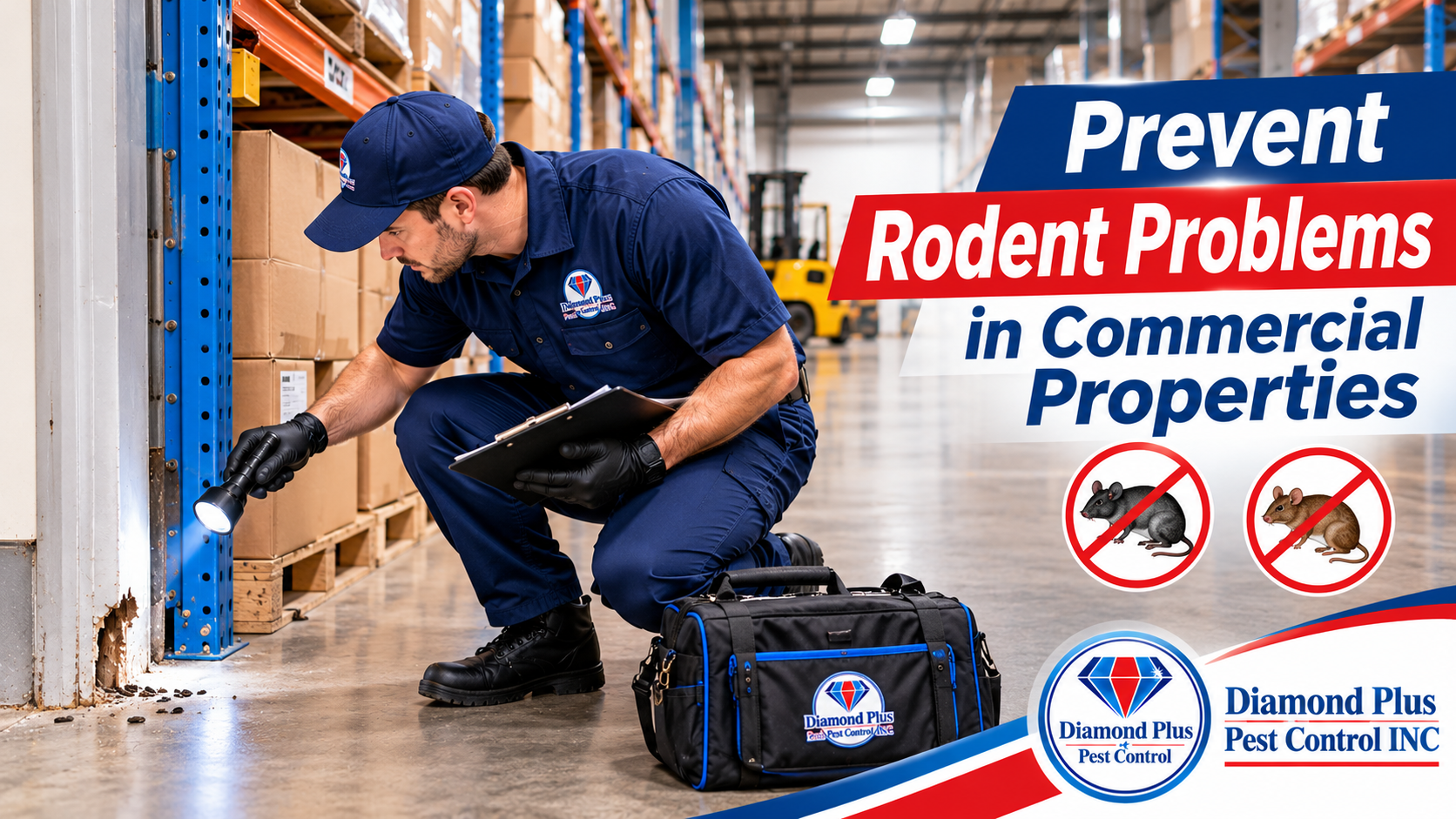
Maintaining a clean and safe commercial property requires more than routine cleaning and general maintenance. Pests such as rodents, cockroaches, termites, and bed bugs can create serious problems for businesses if they remain undetected. Regular inspections help property owners identify early warning signs, address potential entry points, and maintain healthier working environments. Professional rodent control services in NYC also play an important role in protecting commercial spaces from mice and rat infestations.
Whether you manage an office building, restaurant, warehouse, retail store, or rental property, preventive pest management can save time, reduce unexpected expenses, and protect your business reputation. Instead of waiting until employees or customers notice a pest problem, scheduled inspections help property managers take action before a minor issue becomes a larger infestation.
Table of Contents
-
Why Commercial Buildings Need Regular Pest Inspections
-
Common Pests Found in Commercial Properties
-
Benefits of Routine Pest Inspections
-
Important Areas That Require Regular Inspection
-
How Often Should Commercial Properties Be Inspected?
-
Tips for Maintaining a Pest Free Commercial Building
-
Conclusion
-
Frequently Asked Questions
1. Why Commercial Buildings Need Regular Pest Inspections
Commercial buildings often contain several conditions that attract pests, including food waste, moisture, storage areas, and hidden structural openings. Even properties that appear clean can have unnoticed pest activity behind walls, under equipment, or inside storage spaces.
Regular inspections help identify these problems before pests spread throughout the building.
For example, a few mouse droppings near a storage room may indicate rodent activity. Similarly, small holes around utility pipes can provide entry points for mice and other unwanted pests.
A professional inspection generally focuses on:
-
Identifying signs of pest activity.
-
Checking doors, windows, and structural openings.
-
Examining waste storage and disposal areas.
-
Detecting moisture problems and potential breeding sites.
-
Reviewing sanitation and maintenance practices.
-
Recommending appropriate preventive measures.
Early identification allows property managers to address the source of an infestation rather than repeatedly treating visible symptoms.
2. Common Pests Found in Commercial Properties
Different commercial environments attract different types of pests. Understanding these risks helps property managers develop an effective prevention strategy.
| Pest Type | Common Hiding Areas | Potential Problems |
| Rodents | Basements, storage rooms, kitchens, and wall openings | Contamination, damaged materials, and electrical hazards |
| Cockroaches | Kitchens, drains, cabinets, and utility spaces | Contamination and sanitation concerns |
| Termites | Wooden structures, flooring, and wall frames | Structural damage and costly repairs |
| Bed Bugs | Furniture, mattresses, and upholstered seating | Customer complaints and workplace disruption |
| Ants | Food storage areas, cracks, and foundations | Food contamination and recurring infestations |
| Flies | Waste areas, drains, and food preparation spaces | Sanitation concerns and customer dissatisfaction |
Each pest requires a different inspection and management approach. A targeted inspection helps determine which prevention or treatment methods are appropriate for the property.
3. Benefits of Routine Pest Inspections
Prevent Expensive Property Damage
Some pests can damage building materials, furniture, insulation, and electrical components. Termites may weaken wooden structures, while rodents can chew wiring and other materials.
Regular inspections help detect early damage and allow maintenance teams to arrange repairs before the problem becomes more expensive.
Protect Employees and Customers
Pest activity can create unpleasant and potentially unhealthy conditions. Rodents and cockroaches may contaminate surfaces and food storage areas, affecting the cleanliness of commercial environments.
Routine monitoring and timely pest management help maintain a more comfortable environment for employees, visitors, and customers.
Maintain Business Reputation
Customers expect businesses to maintain clean and hygienic premises. Seeing rodents, cockroaches, or other pests can reduce customer confidence and lead to negative reviews.
Preventive inspections help businesses identify potential problems before they become visible to customers.
Reduce Unexpected Business Disruptions
A serious infestation may require additional cleaning, repairs, temporary access restrictions, or treatment arrangements.
Scheduled inspections help property managers plan preventive work and reduce the likelihood of unexpected disruptions.
Support Regulatory Compliance
Commercial property owners and operators in NYC should understand applicable pest prevention requirements. Certain establishments, particularly food service businesses, have specific pest management responsibilities.
Working with licensed pest management professionals and maintaining appropriate service records can support a more organized prevention program.
4. Important Areas That Require Regular Inspection
A complete commercial property inspection should cover more than customer facing spaces. Pests frequently remain hidden in areas that receive less attention during daily cleaning.
Important inspection areas include:
Basements and Utility Rooms: Check for rodent droppings, moisture, damaged pipes, and openings around utility lines.
Kitchens and Break Rooms: Examine food storage cabinets, drains, appliances, waste containers, and areas beneath equipment.
Storage and Warehouse Areas: Inspect cardboard boxes, stored materials, shelving, and loading zones for pest activity.
Building Entrances and Windows: Look for gaps beneath doors, damaged screens, cracks, and other possible entry points.
Garbage and Outdoor Areas: Check waste containers, drainage systems, vegetation, and areas where standing water or debris may accumulate.
Roof and Mechanical Spaces: Inspect accessible areas for moisture, nesting materials, and potential pest entry points.
Paying attention to these locations helps property managers identify conditions that could encourage infestations.
5. How Often Should Commercial Properties Be Inspected?
Inspection frequency depends on the building's size, purpose, history of pest activity, and surrounding environment.
For example, restaurants and food storage facilities may require more frequent monitoring than offices with limited food preparation areas.
The following table provides a general planning guide. It is not a universal legal inspection schedule.
| Commercial Property | Suggested Inspection Approach |
| Restaurants | Frequent monitoring and professional preventive inspections |
| Warehouses | Regular inspections of storage and loading areas |
| Office Buildings | Scheduled inspections of kitchens, basements, and common spaces |
| Retail Stores | Routine inspections of storage rooms and customer areas |
| Multi Unit Commercial Properties | Regular inspections of shared spaces and utility areas |
A professional pest management provider can recommend an inspection schedule based on the property's specific conditions and applicable requirements.
6. Tips for Maintaining a Pest Free Commercial Building
Professional inspections are more effective when supported by consistent property maintenance.
Commercial property managers can reduce pest risks through the following practices:
-
Keep garbage containers tightly covered and arrange timely waste removal.
-
Store food in sealed containers and maintain clean preparation areas.
-
Repair leaking pipes, faucets, and drainage systems.
-
Seal cracks and openings around walls, floors, doors, and utility lines.
-
Remove unnecessary cardboard, clutter, and unused storage materials.
-
Maintain clean outdoor spaces and eliminate standing water.
-
Train employees to report pest sightings and suspicious signs promptly.
-
Keep inspection reports and pest management service records organized.
Combining these practices with professional pest monitoring creates a more reliable long term prevention strategy.
7. Choosing Professional Pest Management Services
Selecting an experienced pest management provider is an important part of protecting commercial property.
Business owners should look for professionals who understand different pest species, inspection procedures, and appropriate treatment methods.
Before choosing a provider, consider the following:
-
Verify applicable licenses and qualifications.
-
Ask about inspection procedures and preventive recommendations.
-
Review the provider's experience with commercial properties.
-
Request clear service documentation and treatment information.
-
Discuss follow up inspections and ongoing monitoring.
For businesses experiencing rodent activity, professional rodent control services in NYC can help identify entry points, assess infestation conditions, and recommend suitable control measures.
The goal should be to address the underlying reasons pests enter a building rather than relying only on temporary solutions.
Conclusion
Regular pest inspections are an essential part of responsible commercial property maintenance. They help identify early infestation signs, prevent avoidable property damage, protect employees and customers, and support better business operations.
From office buildings and warehouses to restaurants and retail stores, every commercial property can benefit from a structured pest prevention program. Combining routine inspections, proper sanitation, building maintenance, and professional pest management creates a stronger defense against unwanted pests.
Taking preventive action today can help businesses avoid more serious pest problems in the future.
Frequently Asked Questions
1. Why are regular pest inspections important for commercial buildings?
Regular inspections help identify pest activity, locate entry points, detect sanitation problems, and prevent minor issues from developing into larger infestations.
2. What pests commonly affect commercial properties?
Common commercial pests include mice, rats, cockroaches, termites, bed bugs, ants, flies, and spiders. The specific risks depend on the building's purpose and maintenance conditions.
3. How often should a commercial building receive pest inspections?
Inspection frequency depends on the property's size, industry, pest history, and risk level. Restaurants and food related facilities may require more frequent monitoring.
4. Can pest infestations damage commercial property?
Yes. Rodents can damage wiring and stored materials, while termites can weaken wooden structures. Other pests may contaminate food storage areas and affect property conditions.
5. What should property managers do after discovering pest activity?
Property managers should document the signs, identify possible entry points, address sanitation or moisture problems, and contact a qualified pest management professional for an appropriate inspection and treatment plan.
6. Are professional pest inspections necessary for NYC businesses?
Professional inspections are valuable for identifying pest risks and maintaining preventive practices. NYC businesses must also follow applicable pest management requirements. Certain food establishments have specific inspection and professional pest management obligations.

 English
 Arabic
 French
 Spanish
 Portuguese
 Turkish
 Dutch
 Italiano
 Russian
 Romaian
 Portuguese (Brazil)
 Greek